How I Slowed Down Aging Without Quitting Coffee or Crying in the Gym
You don’t need extreme diets or 2-hour workouts to feel younger. I used to think anti-aging was about creams and genetics—until I started moving smarter. After testing small, science-backed exercise tweaks, I noticed real changes: more energy, better sleep, and fewer aches. This isn’t about looking 20 again—it’s about feeling strong, now. Let me share what actually worked. What if the secret to aging well isn’t found in a serum or a strict routine, but in how you move your body every day? The truth is, while we can’t stop time, we can influence how it affects us. Research increasingly shows that physical activity is one of the most powerful tools we have to slow biological aging. And the best part? It doesn’t require drastic changes or hours at the gym. Small, consistent choices in how we use our bodies can lead to significant improvements in how we feel and function as we grow older.
The Myth of Aging: Why Exercise Is Your Real Anti-Aging Hack
For decades, aging has been portrayed as an inevitable decline—a slow loss of strength, flexibility, and energy that begins in middle age and worsens over time. Many accept stiffness, fatigue, and weight gain as unavoidable parts of getting older. But modern science tells a different story. While chronological age moves forward without pause, biological aging—the condition of your cells, tissues, and systems—can be influenced by lifestyle. Among all the factors within our control, physical activity stands out as one of the most effective ways to slow down the aging process at a cellular level.
One of the most compelling pieces of evidence comes from studies on telomeres, the protective caps at the ends of our chromosomes. Every time a cell divides, telomeres shorten slightly. When they become too short, the cell can no longer divide and may die or become dysfunctional. This shortening is linked to aging and age-related diseases. However, research shows that people who engage in regular physical activity tend to have longer telomeres than their sedentary peers. In essence, consistent movement appears to preserve the youthfulness of our cells. While genetics play a role, lifestyle choices—especially exercise—can significantly influence this biological marker of aging.
Beyond telomeres, exercise supports mitochondrial health. Mitochondria are the powerhouses of our cells, producing the energy our bodies need to function. As we age, mitochondrial efficiency declines, contributing to fatigue and slower recovery. But aerobic and resistance training have been shown to stimulate the production of new mitochondria and improve their function. This means more energy for daily tasks, better endurance, and improved overall vitality. Movement essentially keeps our internal energy systems running smoothly, delaying the fatigue often associated with aging.
Another major benefit of regular activity is its effect on muscle and metabolism. After age 30, adults lose about 3 to 5% of their muscle mass each decade—a condition known as sarcopenia. This loss doesn’t just affect strength; it also slows metabolism, increases injury risk, and reduces independence over time. However, strength training can counteract this decline. Even modest resistance work helps preserve muscle mass, maintain bone density, and support joint stability. The result is not just a stronger body, but a more resilient one—one that can handle daily challenges with greater ease.
The idea that aging must mean decline is a myth we can challenge. Exercise isn’t just about staying fit; it’s about maintaining function, energy, and quality of life. It shifts the focus from appearance to ability—from how you look to how you feel and move. And the good news is that you don’t need to train like an athlete to benefit. Small, consistent efforts add up. The goal isn’t perfection but progress—building habits that support long-term health and vitality.
My Turning Point: From Stiff Mornings to Real Energy
At 40, I didn’t feel old—but I didn’t feel good either. Mornings started with stiff joints, a stiff neck, and a kind of fatigue that coffee couldn’t fix. I’d sit at my desk for hours, then spend evenings on the couch, telling myself I was too tired to move. I blamed aging, stress, and a busy schedule. But deep down, I knew something had to change. I wasn’t injured or sick, but I wasn’t thriving. Simple tasks—carrying groceries, playing with my kids, even getting out of a chair—felt harder than they should.
The turning point came during a weekend hike with friends. I used to love being outdoors, but this time, I struggled to keep up. My legs ached after just 20 minutes. My breathing felt labored on small inclines. I wasn’t out of shape, I thought, but clearly, I was less capable than I used to be. That realization hit hard. I didn’t want to accept that this was just how life would be from now on. I didn’t want to feel sluggish, sore, and out of breath doing things I once enjoyed.
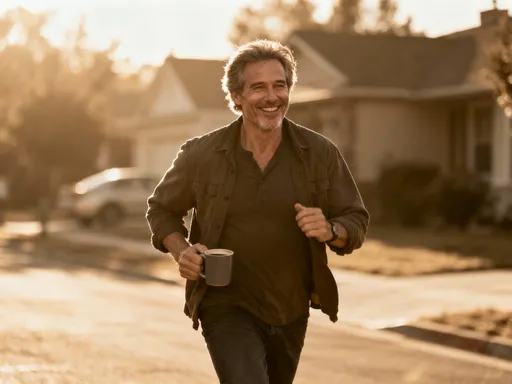
Instead of jumping into an intense fitness program, I started small. I began with daily walks—just 15 minutes after dinner. I added gentle stretching in the morning, focusing on my neck, shoulders, and lower back. I stood up every hour to move around the house. These changes felt almost too simple, but within a few weeks, I noticed differences. My morning stiffness lessened. I slept more deeply. I had more energy by midday. The biggest change wasn’t in my appearance—it was in how I felt in my body. I wasn’t chasing youth; I was reclaiming comfort, strength, and ease in my daily life.
This journey wasn’t about transformation through punishment. It wasn’t about pushing myself to exhaustion or following a rigid plan. It was about listening to my body and making sustainable choices. I learned that movement doesn’t have to be hard to be effective. In fact, consistency matters far more than intensity. Over time, I built a routine that fit my life, not the other way around. And as my habits changed, so did my relationship with aging. I stopped seeing it as something to fear and started viewing it as a phase to navigate with intention and care.
The 3 Movement Pillars That Actually Fight Aging
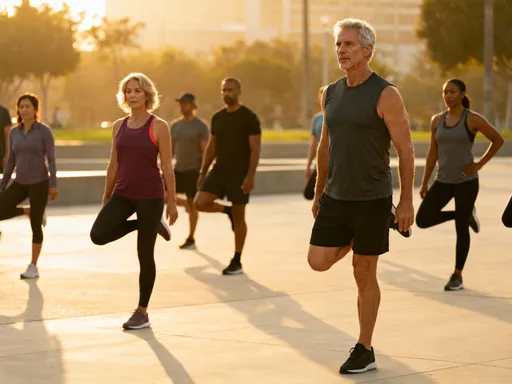
If exercise is the key to healthier aging, not all movement is created equal. To truly support long-term vitality, three types of activity are essential: strength, mobility, and aerobic fitness. Each addresses a different aspect of aging and works together to keep the body functioning well. Think of them as pillars—each supporting a different part of your physical foundation. When balanced, they create a resilient, capable body that can adapt to the changes of time.
Strength training combats muscle loss, which begins as early as age 30. Without resistance, we lose muscle mass and strength over time, leading to weakness, slower metabolism, and higher fall risk. Strength work—even with light weights or bodyweight—signals the body to maintain and build muscle. It also supports bone health, reducing the risk of osteoporosis. The goal isn’t to bulk up, but to stay strong enough to carry groceries, climb stairs, and move with confidence.
Mobility is often overlooked, yet it’s crucial for maintaining joint health and preventing stiffness. As we age, inactivity leads to tighter muscles, reduced range of motion, and poor posture. This can cause discomfort, limit movement, and increase injury risk. Mobility work—such as stretching, joint circles, and controlled movements—keeps tissues supple and joints lubricated. It allows you to move freely, whether you’re reaching for a high shelf or bending to tie your shoes. Flexibility isn’t just for yoga enthusiasts; it’s a functional necessity for daily life.
Aerobic fitness supports heart health, circulation, and brain function. Activities that raise your heart rate—like brisk walking, cycling, or swimming—improve oxygen delivery, lower blood pressure, and reduce inflammation. They also boost mood and cognitive function. As we age, maintaining cardiovascular health becomes increasingly important for preventing chronic diseases and staying independent. The good news is that even moderate aerobic activity offers significant benefits.
What ties these three pillars together is consistency. You don’t need to do intense workouts every day. In fact, overdoing it can lead to burnout or injury. The key is regular, manageable effort. A little each day adds up over time. The goal isn’t to train like a professional athlete, but to move in ways that support your body’s long-term health. By incorporating strength, mobility, and aerobic fitness into your routine, you build a foundation for aging well—one that keeps you active, capable, and energized.
Strength: Lifting Light to Stay Strong (No Gym Required)
When people hear “strength training,” they often picture heavy weights and crowded gyms. But building strength doesn’t require equipment or expertise. In fact, some of the most effective exercises use just your body weight. The goal isn’t to lift heavy, but to challenge your muscles regularly. Even light resistance, done consistently, can make a big difference in preserving muscle mass and supporting metabolism.
Simple movements like bodyweight squats, wall push-ups, and step-ups can be done at home with no equipment. A squat strengthens the legs and glutes, muscles essential for standing, walking, and climbing stairs. A wall push-up builds upper body strength without straining the joints. Step-ups, using a sturdy step or low bench, improve balance and leg power. These exercises can be modified to fit any fitness level—start with 1 or 2 sets of 10 repetitions and gradually increase as you feel stronger.
Resistance bands are another excellent tool. They’re affordable, portable, and versatile. You can use them for bicep curls, shoulder presses, or rows—all of which help maintain upper body strength. Unlike free weights, bands provide tension throughout the movement, which can be easier on the joints. They’re also ideal for small spaces and travel. A 10- to 15-minute session a few times a week is enough to maintain muscle tone and joint support.
Strength training also benefits bone health. Weight-bearing exercises stimulate bone growth and help prevent bone density loss, which becomes more common with age, especially in women. This reduces the risk of fractures and improves overall stability. Additionally, muscle is metabolically active tissue, meaning it burns calories even at rest. More muscle mass supports a healthier metabolism, making it easier to maintain a stable weight as you age.
A practical weekly plan might include two to three strength sessions, focusing on major muscle groups. For example, one day could include squats, lunges, and calf raises; another could focus on upper body with resistance band rows and wall push-ups. The key is progression—gradually increasing repetitions, sets, or resistance over time. But remember, form matters more than volume. Moving with control and proper alignment prevents injury and ensures you’re engaging the right muscles. With patience and consistency, strength training becomes a sustainable habit that supports lifelong function.
Mobility: The Forgotten Anti-Aging Secret
While strength and cardio often get the spotlight, mobility is the quiet hero of healthy aging. It’s not about doing the splits or advanced yoga poses—it’s about maintaining the ability to move freely and comfortably. As we age, inactivity leads to stiff joints, tight muscles, and poor posture. These changes can make everyday movements harder and increase the risk of falls and injuries. Mobility work counters this by keeping tissues flexible and joints well-lubricated.
Simple daily stretches can make a big difference. Neck rolls, shoulder rolls, and seated forward bends help release tension built up from sitting. Hip openers, like gentle figure-four stretches, improve lower body mobility, which supports walking and balance. Spinal twists encourage fluid movement in the back, reducing stiffness. These movements don’t need to be intense—just consistent. Even five to ten minutes a day can improve range of motion and reduce discomfort.
Posture also plays a key role in mobility. Many of us spend hours slumped over screens, leading to rounded shoulders and a forward head position. This posture strains the neck and upper back, contributing to headaches and fatigue. Simple posture checks—like aligning ears over shoulders and shoulders over hips—can make a difference. Incorporating chest openers and chin tucks into your routine helps correct imbalances and supports better alignment.
A short, daily mobility routine might include: neck stretches, shoulder rolls, cat-cow movements on hands and knees, seated spinal twists, and ankle circles. These movements warm up the joints, improve circulation, and prepare the body for activity. Doing them in the morning can ease stiffness; doing them at night can promote relaxation. The goal is not to push into pain, but to move with awareness and ease. Over time, this practice enhances coordination, balance, and body awareness—all of which contribute to safer, more confident movement.
Aerobic Fitness: Walking with Purpose
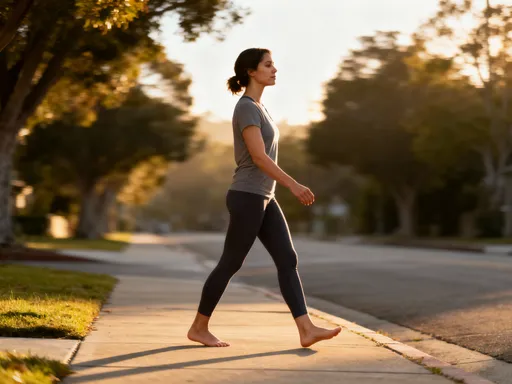
Walking is one of the most accessible and effective forms of aerobic exercise, especially for long-term health. Unlike high-intensity workouts that may be hard to sustain, walking can be easily integrated into daily life. But not all walking is equal. To gain real benefits, it helps to walk with purpose—varying intensity, duration, and terrain to challenge the cardiovascular system.
The key is understanding effort zones. Easy walking—where you can talk comfortably—supports recovery and joint health. Brisk walking—where your breathing increases but you can still speak in short sentences—improves heart health, circulation, and endurance. Aim for at least 150 minutes of moderate aerobic activity per week, as recommended by health guidelines. This can be broken into 30-minute sessions five days a week, or shorter walks spread throughout the day.
To make walking more effective, try adding intervals. For example, walk at an easy pace for three minutes, then increase to a brisk pace for two minutes. Repeat this cycle for 20 to 30 minutes. This type of training boosts cardiovascular fitness without requiring extra time. You can also vary your route—walking on hills, trails, or uneven surfaces engages more muscles and improves balance.
Walking also benefits the brain. Studies show that regular aerobic activity increases blood flow to the brain, supports memory, and may reduce the risk of cognitive decline. It also improves mood by reducing stress hormones and increasing endorphins. The rhythmic nature of walking can be meditative, offering mental clarity and emotional balance.
The best part? You can build walking into your routine without extra time. Park farther from store entrances, take walking meetings, or walk during phone calls. Even short walks after meals help regulate blood sugar and digestion. Over time, purposeful walking becomes a habit that supports heart health, energy levels, and mental well-being.
Putting It All Together: My Weekly Movement Rhythm
After experimenting with different routines, I found a weekly rhythm that works for my life. It’s not rigid, but flexible—designed to support consistency without burnout. Here’s how it looks: Monday, Wednesday, and Friday include 20 minutes of strength work—bodyweight exercises and resistance bands—followed by 10 minutes of stretching. Tuesday and Thursday are dedicated to 30-minute brisk walks, sometimes with intervals. Saturday is a longer, relaxed walk outdoors. Sunday is a rest day, with gentle mobility work like light stretching or deep breathing.
This plan balances all three pillars: strength, mobility, and aerobic fitness. It’s not about perfection—if I miss a day, I don’t stress. I simply return to the routine the next day. Recovery is just as important as activity. Sleep, hydration, and stress management all support physical health. I’ve learned that rest isn’t laziness; it’s part of the process. The body repairs and strengthens during downtime, so honoring rest days is essential for long-term progress.
Mindset matters too. Instead of viewing exercise as a chore, I see it as a form of self-care. It’s something I do to feel better, not to punish myself or meet unrealistic standards. I focus on how movement makes me feel—more alert, less stiff, more capable. This shift in perspective has made the routine sustainable. I’m not chasing a number on a scale or a youthful appearance. I’m investing in my ability to live fully, no matter my age.
As the weeks turned into months, the changes became clear. I wake up with less stiffness. I carry heavy bags without discomfort. I walk up stairs without getting winded. These aren’t dramatic transformations—they’re quiet victories that add up. And perhaps most importantly, I feel more in control of my health. I’ve learned that aging doesn’t have to mean decline. With small, consistent choices, I can influence how I age and how I feel every day.
True anti-aging isn’t found in a bottle—it’s built through daily choices. Movement, done right, keeps you capable, energized, and resilient. You don’t need perfection. You just need to start.