Salt, Seriously? How I Learned to Love Flavor Without the Sodium
Living with high blood pressure scared me — not because of dramatic symptoms, but because it was silent, invisible, and entirely preventable. I used to think 'low-salt' meant bland food, until I discovered how much better I could feel. This isn’t about deprivation; it’s about redefining taste. My journey changed not just my meals, but my mindset. What began as a medical necessity turned into a revelation about flavor, health, and self-respect. I learned that reducing sodium wasn’t a punishment — it was a promise to myself, one meal at a time.
The Wake-Up Call: Why I Started Paying Attention to Salt
For years, I paid little attention to the amount of salt in my diet. It was everywhere — in my morning toast, my lunchtime soup, even the evening snack I enjoyed while watching television. I didn’t think much about it because I didn’t feel sick. There were no warning signs, no chest pain, no dizziness. Everything seemed normal. But during a routine physical exam, my doctor paused after reading the blood pressure monitor. The numbers were consistently above 140 over 90 — a clear indicator of hypertension. I was stunned. I didn’t fit the image I had in my mind of someone with high blood pressure. I wasn’t overweight, I didn’t smoke, and I walked regularly. Yet there it was: a silent condition that could increase my risk of heart disease and stroke if left unmanaged.
That moment was my wake-up call. I began researching how sodium affects the body, and what I learned was eye-opening. Sodium, a key component of salt, plays a vital role in nerve function and fluid balance. But when consumed in excess, it causes the body to retain water, increasing blood volume and putting extra pressure on the arteries. Over time, this added strain can damage blood vessel walls, force the heart to work harder, and elevate the risk of cardiovascular events. According to the American Heart Association, the average American consumes more than 3,400 milligrams of sodium daily — far above the recommended limit of 2,300 milligrams, with an ideal target of no more than 1,500 milligrams for most adults, especially those with existing blood pressure concerns.
What surprised me most was the source of that sodium. Only a small portion came from the salt shaker on my kitchen table. The vast majority came from processed and packaged foods — items I considered convenient, even healthy. Frozen meals, canned vegetables, deli meats, and even breakfast cereals were contributing to my intake without me realizing it. This wasn’t just about willpower or taste preference; it was about awareness. I realized that to protect my long-term health, I needed to shift my habits not overnight, but sustainably, with knowledge and intention guiding each choice.
Debunking the Myth: Low-Salt Doesn’t Mean No Flavor
When I first considered cutting back on salt, my biggest fear was that food would become dull and unappetizing. I associated flavor almost entirely with saltiness — the sharp bite of soy sauce, the savory punch of a seasoned chip, the satisfying tang of a salty broth. The idea of giving that up felt like losing a vital part of the eating experience. I worried that meals would taste flat, that I’d be stuck with bland vegetables and dry chicken for the rest of my life. But what I discovered completely changed my perspective: reducing salt didn’t remove flavor — it revealed it.
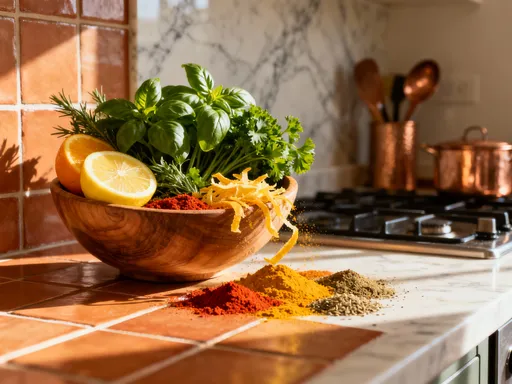
Flavor is not a single dimension. It’s a complex blend of taste, aroma, texture, and even temperature. Salt enhances certain flavors, but it can also mask others. When I began cooking with less sodium, I started noticing subtle tastes I had long overlooked — the natural sweetness of roasted carrots, the earthy depth of mushrooms, the bright freshness of a ripe tomato. Without a heavy salt coating, these ingredients spoke for themselves. I began experimenting with herbs and spices — rosemary, thyme, oregano, cumin, turmeric, and paprika — discovering how each could add character and warmth to a dish. A sprinkle of smoked paprika gave roasted potatoes a rich, almost meaty depth. Fresh basil transformed a simple tomato salad into something vibrant and aromatic.
Citrus and vinegar also became my allies. A squeeze of lemon juice over grilled fish or steamed vegetables added brightness and balance. Apple cider vinegar in a salad dressing brought tang and complexity without the need for extra salt. Garlic, onions, and ginger — used fresh rather than in powdered or salted forms — added layers of savory flavor that built gradually as they cooked. I learned that timing mattered: adding herbs early in the cooking process allowed their flavors to infuse the dish, while adding fresh herbs at the end preserved their brightness. What I once saw as a restriction turned into a creative journey. Cooking became more engaging, more thoughtful. I wasn’t missing salt — I was discovering a whole new world of taste.
Hidden Salt Traps: What I Didn’t Realize Was Loaded
One of the most shocking discoveries on my journey was how much sodium was hiding in foods I never suspected. I assumed that salty-tasting items like chips or pickles were the main culprits, but the real offenders were often the ones that didn’t taste particularly salty at all. I started reading nutrition labels — something I had rarely done before — and the numbers were staggering. A single slice of store-bought bread could contain 200 to 300 milligrams of sodium. A bowl of canned soup, even one labeled ‘healthy’ or ‘low-fat,’ could pack over 800 milligrams — more than a third of the daily recommended limit in one serving.
Breakfast was another minefield. Many breakfast cereals, especially those marketed to adults as high-fiber or fortified options, contained surprisingly high levels of sodium. A seemingly innocent bagel with cream cheese could deliver over 1,000 milligrams of sodium before I even left the house. Frozen meals, often chosen for convenience, were among the worst offenders, with some entrees exceeding 1,200 milligrams per serving. Even sweet items like muffins, cookies, and pastries contained salt — not just for flavor, but to enhance shelf life and balance sweetness. I began to understand that salt wasn’t just a seasoning; it was a preservative, a texture enhancer, and a cheap way to make processed foods more palatable.
Marketing language also misled me. Products labeled ‘low-fat’ or ‘reduced-calorie’ often compensated for lost flavor by increasing sodium content. ‘All-natural’ or ‘organic’ did not mean low-sodium. I learned to look beyond the front-of-package claims and read the ingredient list and nutrition facts panel carefully. I started noticing terms like monosodium glutamate (MSG), sodium nitrate, sodium benzoate, and disodium phosphate — all sources of hidden sodium. Over time, I developed a habit of comparing brands and choosing options with lower sodium content. I switched to low-sodium canned beans, unsalted nuts, and reduced-sodium broths. These small changes, made consistently, added up to a significant reduction in my daily intake without requiring drastic measures.
Simple Swaps That Made a Real Difference
I didn’t try to change everything at once. I knew that overwhelming myself with restrictions would lead to frustration and likely failure. Instead, I focused on simple, sustainable swaps that fit into my existing routine. One of the first changes was replacing garlic salt with fresh garlic. I had been using garlic salt for years, thinking it added flavor without much consequence. But a single teaspoon could contain over 1,500 milligrams of sodium. By switching to fresh minced garlic, I gained not only a more vibrant taste but also the added health benefits of allicin, a compound linked to heart health.
I also began using salt-free seasoning blends. Brands like Mrs. Dash offered ready-made mixes with herbs, spices, and citrus that added depth without sodium. I experimented with making my own blends — a combination of onion powder, black pepper, dried thyme, and a pinch of cayenne for a little heat. These became staples in my spice rack. When I craved something savory, I reached for nutritional yeast, which has a naturally cheesy, umami flavor and contains no sodium.
Cooking from scratch made a major difference. Instead of buying canned soups or pre-made rice mixes, I started preparing rice, beans, and soups at home. This allowed me to control the ingredients completely. I used low-sodium broth, added extra vegetables for volume and nutrients, and seasoned with herbs and spices. I discovered that beans soaked and cooked from dry had far less sodium than canned versions — and they tasted fresher, with a better texture. I began batch-cooking and freezing portions for busy days, which helped me avoid the temptation of high-sodium convenience foods.
I also modified how I used condiments. Soy sauce, a staple in many of my favorite dishes, is extremely high in sodium. I switched to a reduced-sodium version and used it more sparingly, often diluting it with water or rice vinegar. I explored alternatives like coconut aminos, which have a similar flavor profile but significantly less sodium. Over time, my taste buds adjusted. Foods that once seemed perfectly seasoned now tasted overly salty. This shift wasn’t immediate — it took a few weeks — but it was real and lasting.
Cooking at Home: My Secret Weapon Against Sodium
Once I committed to cooking most of my meals at home, I noticed a dramatic drop in my sodium intake. Eating out or relying on pre-packaged meals had been convenient, but it came at a cost I hadn’t fully appreciated. Restaurant dishes are often prepared with generous amounts of salt to enhance flavor and appeal to broad tastes. Sauces, dressings, and marinades are common sodium hotspots. By taking control of my kitchen, I regained control over what went into my body.
I began treating cooking as an act of care rather than a chore. I invested in a few simple tools — a good knife, a zester, and a variety of spice jars — that made the process more enjoyable. I learned to layer flavors: sautéing onions and garlic as a base, adding dried spices early to bloom in oil, finishing with fresh herbs and citrus zest. Lemon and lime zest, in particular, became favorites. A small amount could brighten a dish without adding liquid or calories.
I also explored global cuisines that naturally rely less on salt. Mediterranean cooking, for example, emphasizes olive oil, fresh vegetables, legumes, and herbs like oregano and parsley. Thai cuisine uses lemongrass, galangal, kaffir lime leaves, and chili to build flavor. These dishes were bold, aromatic, and satisfying — proof that delicious food doesn’t require high sodium. I started meal prepping on weekends, preparing grains, roasting vegetables, and marinating proteins so that healthy, low-sodium meals were within reach even on busy weeknights.
Cooking at home also allowed me to involve my family. My children began to appreciate the taste of fresh ingredients. We experimented with new recipes together, turning dinner preparation into a shared activity. Over time, their palates adapted too. What once seemed ‘boring’ to them now tasted ‘fresh’ and ‘real.’ I realized that by changing my habits, I was also shaping a healthier food culture for my household.
Eating Out Without the Salt Overload
One of my biggest concerns was how to maintain lower sodium habits when dining out. Restaurants, especially fast-casual and chain establishments, often serve meals with extremely high sodium levels. A single entrée could contain more than a full day’s recommended intake. I used to avoid asking questions, not wanting to seem difficult or high-maintenance. But I learned that most restaurants are willing to accommodate dietary needs — if you ask.
I started making simple requests: dressing on the side, no added salt, steamed instead of fried, and sauces served separately. I learned to skip the breadbasket, which not only added unnecessary calories but also sodium. I chose grilled proteins over breaded or marinated ones, and asked for vegetables to be cooked without butter or salt. Many chains now offer nutritional information online, allowing me to make informed choices before I even arrived at the restaurant. I found that lighter dishes like salads, grilled fish, or vegetable stir-fries were often better options — especially when I could customize them.
Surprisingly, many chefs appreciated the request. One told me that guests asking for lower-sodium options encouraged the kitchen to rethink seasoning practices. I began to see dining out not as a setback, but as an opportunity to practice mindfulness. I focused on savoring each bite, appreciating the company and the experience, rather than eating quickly or mindlessly. Over time, I noticed that I enjoyed meals more when I wasn’t feeling bloated or sluggish afterward — common side effects of high-sodium eating.
Mindset Shift: From Restriction to Empowerment
The most profound change wasn’t in my diet — it was in my mindset. At first, reducing salt felt like a limitation, a list of things I could no longer have. But as I learned more and experienced the benefits, my perspective shifted. I began to see each choice as an act of self-respect. Choosing fresh ingredients, reading labels, cooking with care — these weren’t punishments. They were expressions of love for my body and my long-term well-being.
Within a few months, I noticed real improvements. My energy levels increased. I felt less bloated and more alert. Most importantly, my blood pressure readings began to stabilize. My doctor noted the progress and encouraged me to keep going. This wasn’t about achieving perfection — it was about consistency. I allowed myself occasional exceptions, like a slice of pizza at a family gathering, without guilt. The key was balance, not deprivation.
I also became more mindful of how food made me feel. High-sodium meals left me thirsty, puffy, and sluggish. Lower-sodium eating brought clarity and lightness. I started to crave the foods that made me feel good — colorful salads, hearty soups, fresh fruit. My relationship with food became more intentional. I wasn’t eating to fill a void or soothe stress — I was nourishing myself.
This shift in thinking extended beyond salt. I became more aware of sugar, portion sizes, and overall dietary patterns. I didn’t follow a rigid diet — I cultivated a lifestyle. And because the changes were gradual and sustainable, they stuck. I no longer thought in terms of ‘good’ or ‘bad’ foods. Instead, I focused on progress, not perfection.
A Lifestyle, Not a Diet
Lowering my sodium intake wasn’t a short-term fix or a temporary diet. It was a lasting change in how I approached food and health. It taught me that small, consistent choices — reading labels, cooking at home, using herbs instead of salt — can lead to meaningful results over time. I didn’t need extreme measures or expensive supplements. I needed awareness, intention, and a willingness to learn.
Today, I eat with more awareness and joy. I savor the natural flavors of food. I cook with creativity and care. I live with a greater sense of peace, knowing I’m taking steps to protect my heart and overall health. My journey with salt wasn’t just about reducing a single nutrient — it was about reclaiming control, rediscovering flavor, and honoring my body’s needs.
And honestly? My food tastes better than ever.