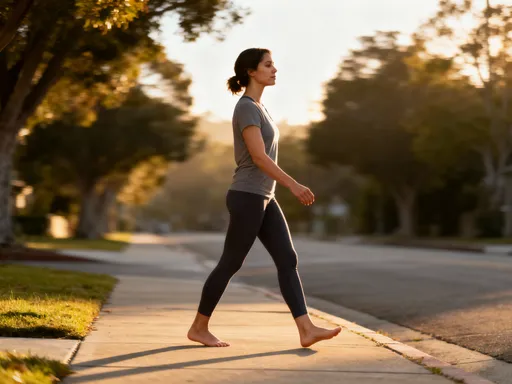
Why My Workout Was Sabotaging Sleep — And What Actually Works
For years, I thought exercising more would help me sleep better. But no matter how hard I pushed at the gym, I still tossed and turned at night. Turns out, timing, intensity, and type of movement all play a huge role in sleep quality. I tested different routines, made mistakes, and finally found what truly helps. This isn’t about extreme fitness — it’s about smart, sleep-friendly movement that actually works. Many women in their 30s, 40s, and 50s are juggling family, work, and personal well-being, often turning to exercise as a way to regain control and energy. Yet, when sleep suffers, so does everything else — mood, focus, immune function, and long-term health. The good news? With a few thoughtful adjustments, physical activity can become one of the most powerful tools for deeper, more restful sleep.
The Sleep-Exercise Paradox
It’s a common belief: if you’re tired, you’ll sleep better. So logically, a tough workout should lead to a good night’s rest. But science shows the relationship between exercise and sleep is more nuanced than that. While regular physical activity is strongly linked to improved sleep quality, the timing and intensity of that activity can either support or disrupt the body’s ability to wind down. For many women, especially those managing hormonal shifts, stress, or busy schedules, a late-night spin class or high-intensity interval training session may be doing more harm than good.
The key lies in understanding the body’s stress response. Exercise, particularly vigorous forms, activates the sympathetic nervous system — the same system responsible for the “fight or flight” reaction. This leads to a temporary rise in cortisol, heart rate, and core body temperature, all of which are beneficial during the day but counterproductive when trying to fall asleep. Studies have shown that cortisol levels can remain elevated for up to 90 minutes after intense exercise, potentially delaying the onset of sleep and reducing overall sleep efficiency.
Another misconception is equating physical exhaustion with sleep readiness. While the body may be tired, the mind can remain alert if the nervous system is still activated. This explains why some people feel physically drained yet mentally restless at bedtime. In fact, research published in the journal Sports Medicine found that while moderate exercise generally improves sleep, high-intensity workouts within one to two hours of bedtime were associated with increased sleep latency — the time it takes to fall asleep — especially in individuals already prone to anxiety or insomnia.
For women navigating perimenopause or menopause, this effect can be even more pronounced. Fluctuating hormones can already disrupt temperature regulation and sleep architecture, making the body more sensitive to late-day stressors. Adding a stimulating workout too close to bedtime may amplify nighttime awakenings or hot flashes, further eroding sleep quality. The takeaway is clear: not all exercise supports sleep equally, and the assumption that “more is better” can backfire when timing and intensity aren’t aligned with the body’s natural rhythms.
Timing Matters: When to Move for Better Sleep
If exercise is a tool, then timing is the handle — it determines how effectively you use it. The body operates on a circadian rhythm, a 24-hour internal clock that regulates everything from hormone release to body temperature and alertness. This biological cycle responds to environmental cues like light and movement, making the time of day you exercise a critical factor in how it affects your sleep.
Morning and afternoon workouts tend to align best with the body’s natural energy patterns. Exercising in the morning, for instance, helps reinforce the circadian rhythm by increasing exposure to daylight and stimulating cortisol at a time when it’s meant to rise. This early cortisol spike — different from the stress-induced kind — promotes alertness and sets the stage for a gradual decline later in the day, which supports melatonin release at night. A study from Physiology & Behavior found that participants who exercised between 7 a.m. and 8 a.m. fell asleep faster and experienced more restorative slow-wave sleep than those who worked out later in the evening.
Afternoon exercise, particularly between 4 p.m. and 6 p.m., also offers advantages. This is typically when body temperature peaks, leading to improved muscle function, strength, and endurance. A workout during this window can enhance physical performance while still allowing enough time for the body to cool down before bedtime. The drop in core temperature after exercise acts as a signal to the brain that it’s time to prepare for sleep, mimicking the natural thermal decline that occurs in the evening.
In contrast, late-night workouts — especially those involving high-intensity or stimulating activities — can interfere with this cooling process. The body needs time to return to its baseline state, and exercising too close to bedtime may delay this transition. Experts generally recommend finishing vigorous exercise at least three hours before going to bed. For those who prefer evening movement, low-impact options like stretching, walking, or gentle yoga are far more compatible with sleep preparation.
Intensity Traps: Why Going Harder Backfires
In the pursuit of fitness, many women fall into the trap of believing that harder workouts yield better results. While intensity has its place, especially for building strength or cardiovascular endurance, it can become counterproductive when it comes to sleep. The body’s response to exercise intensity is not linear — more effort does not always translate to better recovery or deeper rest.
High-intensity exercise, such as sprint intervals, heavy weightlifting, or competitive training, triggers a significant stress response. This includes the release of adrenaline and noradrenaline, which increase heart rate, sharpen focus, and mobilize energy. While beneficial during the day, these physiological changes can linger and interfere with the parasympathetic nervous system’s ability to engage at night — the system responsible for “rest and digest” functions. When this shift doesn’t happen smoothly, falling asleep becomes more difficult.
Even moderate overtraining can disrupt sleep over time. Women who consistently push themselves without adequate recovery may notice symptoms like increased nighttime awakenings, lighter sleep, or a sense of being tired but wired. A study in the European Journal of Applied Physiology found that athletes who engaged in prolonged high-intensity training reported higher rates of insomnia and reduced sleep efficiency, even when total sleep time remained unchanged. This suggests that while they were in bed, the quality of their sleep was compromised.
Recognizing the signs of exercise-induced sleep disruption is crucial. These include difficulty falling asleep despite fatigue, frequent awakenings during the night, restless legs, or waking up too early and unable to return to sleep. For women managing hormonal changes, these symptoms can be mistaken for menopausal side effects when, in fact, they may be exacerbated by workout timing or intensity. The solution isn’t to stop exercising — it’s to adjust how and when you move.
The Right Types of Movement for Deep Rest
Not all forms of exercise affect sleep in the same way. Research consistently shows that certain types of movement are more supportive of restful sleep than others. Understanding these differences allows for more intentional choices that align with your body’s needs.
Aerobic exercise, particularly at a moderate pace, has one of the strongest associations with improved sleep duration and quality. Activities like brisk walking, cycling, or swimming increase heart rate without overstimulating the nervous system. A meta-analysis published in JAMA Internal Medicine found that individuals who engaged in regular moderate aerobic activity fell asleep faster and experienced longer periods of deep sleep. For women with busy schedules, even a 30-minute walk during the day can make a noticeable difference in nighttime rest.
Resistance training also plays a valuable role. Lifting weights or using bodyweight exercises supports muscle maintenance, metabolic health, and bone density — all important as we age. But beyond these benefits, strength training has been linked to increased slow-wave sleep, the most restorative phase of the sleep cycle. This type of sleep is essential for tissue repair, memory consolidation, and immune function. The key is to schedule strength workouts earlier in the day to allow for proper recovery.
Equally important are mind-body practices that emphasize relaxation and breath awareness. Yoga, tai chi, and qigong have been shown to reduce symptoms of insomnia and improve sleep efficiency. These practices lower cortisol levels, slow the breath, and activate the parasympathetic nervous system — all of which prepare the body for rest. A study in the Journal of Clinical Sleep Medicine found that women who practiced gentle yoga in the evening reported better sleep quality and reduced nighttime awakenings compared to those who did not.
Even simple stretching or mobility work in the evening can signal to the body that it’s time to slow down. Unlike high-intensity routines, these activities do not raise core temperature or heart rate significantly, making them ideal for winding down. Incorporating 10 to 15 minutes of gentle movement before bed — such as seated forward bends, shoulder rolls, or diaphragmatic breathing — can create a smooth transition from activity to rest.
Personal Experiment: What I Changed and What Happened
After years of struggling with sleep despite an active lifestyle, I decided to experiment with my routine. I had been doing high-intensity interval training (HIIT) classes two to three times a week, often in the evening after work. While I felt accomplished, I noticed I was staying up later, taking longer to fall asleep, and waking up feeling unrested. My energy during the day was inconsistent — sometimes sharp, other times foggy.
I began by shifting my most intense workouts to the morning. I replaced evening HIIT sessions with 30-minute walks or gentle yoga. I also paid closer attention to how I felt after different types of exercise. Within two weeks, I noticed changes. I was falling asleep about 20 minutes faster, and my nighttime awakenings decreased from two or three times per night to just once, if at all. I also felt more consistently energized throughout the day, without the mid-afternoon crashes.
One of the most surprising shifts was in my mental state. I no longer felt that restless buzz at bedtime. My mind felt calmer, and I was able to let go of the day’s stress more easily. Over time, I also noticed improvements in digestion, mood, and even skin clarity — all of which are linked to better sleep and reduced stress.
This experience taught me that consistency and alignment matter more than intensity. I didn’t need to work out harder; I needed to work out smarter. Listening to my body became more important than following a rigid fitness plan. Some days, a short walk was enough. Other days, a longer strength session felt right. The key was flexibility and awareness — adjusting based on how I felt, not just what I thought I “should” do.
Building a Sleep-Supportive Fitness Routine
Creating a sustainable fitness routine that supports sleep doesn’t require drastic changes. It’s about making intentional, gradual adjustments that align with your body’s natural rhythms. The goal is not perfection but balance — moving enough to stay strong and healthy, without overloading the system.
A sample weekly plan might include:
Mondays, Wednesdays, and Fridays: 30-45 minutes of moderate aerobic activity in the morning, such as brisk walking, cycling, or a low-impact cardio class. This helps set the circadian rhythm and boosts daytime energy.
Tuesdays and Thursdays: Strength training sessions in the late afternoon, focusing on major muscle groups. Using weights or resistance bands, these workouts can be done at home or in the gym. The key is to finish at least three hours before bedtime to allow for recovery.
Saturdays: Active recovery, such as a longer walk, light hike, or yoga session. This promotes mobility and circulation without strain.
Sundays: Complete rest or gentle stretching. This allows the body to fully recover and prepares it for the week ahead.
Evening movement, when included, should be low-intensity and focused on relaxation. A 10- to 15-minute stretching routine, combined with deep breathing, can be especially helpful for women who carry tension in the neck, shoulders, or lower back. Incorporating this habit into a nightly wind-down routine — along with dimming lights and avoiding screens — signals to the brain that it’s time to prepare for sleep.
Duration matters, but so does pacing. For most adults, the Department of Health and Human Services recommends at least 150 minutes of moderate-intensity aerobic activity or 75 minutes of vigorous activity per week, along with muscle-strengthening activities on two or more days. These guidelines are achievable without overexertion, especially when spread throughout the week.
Beyond the Workout: Lifestyle Synergy for Better Sleep
Exercise is just one piece of the sleep puzzle. To truly optimize rest, it must be integrated with other healthy habits that support the body’s natural rhythms. Light exposure, meal timing, and stress management all interact with physical activity to create a synergistic effect on sleep quality.
Morning light exposure, for example, helps regulate the circadian clock. Combining a morning walk with natural sunlight — even on cloudy days — enhances alertness during the day and improves sleep onset at night. Similarly, avoiding bright screens and blue light in the evening supports melatonin production, making it easier to fall asleep.
Meal timing also plays a role. Eating large, heavy meals close to bedtime can disrupt sleep by increasing digestion and body temperature. However, a small, balanced snack — such as a piece of fruit with nut butter or a small serving of yogurt — may help stabilize blood sugar and prevent nighttime awakenings, especially for women experiencing hormonal fluctuations.
Stress management is perhaps the most critical factor. Chronic stress elevates cortisol and disrupts sleep, even in physically active individuals. Practices like mindfulness, journaling, or listening to calming music can complement exercise by promoting mental relaxation. When physical and mental recovery are both prioritized, the body enters a state more conducive to deep, uninterrupted sleep.
The synergy between these habits creates a positive feedback loop: better sleep leads to more energy, which makes it easier to stay active, which in turn improves sleep. This cycle is sustainable because it’s based on balance, not extremes. It allows women to care for themselves in a way that supports long-term health, rather than chasing short-term fitness goals at the expense of rest.
The goal isn’t to eliminate exercise but to align it with your body’s need for rest. By choosing the right type, timing, and intensity, movement becomes a powerful ally — not an obstacle — to deeper, more restorative sleep. It’s not about doing more; it’s about doing better. With patience, awareness, and small, consistent changes, better sleep is within reach — not as a distant reward, but as a daily reality supported by smart, intentional living.