How I Stayed Healthy Without Trying Too Hard – My Simple Movement Routine
You don’t need a gym membership or hours of free time to stay healthy. I used to think prevention meant drastic changes—until I realized small, consistent movements made all the difference. This isn’t about intense workouts or strict schedules. It’s about building simple habits that protect your body over time. I tested this approach myself, and the shifts were noticeable. Energy improved, stiffness faded, and I felt stronger—naturally. Let me share how everyday motion became my easiest form of self-care.
The Myth of “All or Nothing” in Preventive Health
For years, the message has been clear: to be healthy, you must push hard. Many women in their 30s, 40s, and 50s have internalized the idea that real progress only comes from hour-long workouts, strict diets, or joining a fitness class that leaves you sore for days. But this “all or nothing” mindset often backfires. When life gets busy—when children need attention, meals must be prepared, or work demands extra hours—these ambitious routines fall apart. And when they do, guilt follows. The belief that anything less than intense effort is pointless creates a cycle of starting and stopping, with little lasting benefit.
Science increasingly shows that consistency matters far more than intensity when it comes to long-term health. A landmark study published in the British Journal of Sports Medicine found that people who engaged in regular, moderate physical activity—such as walking or light gardening—had significantly lower risks of cardiovascular disease and premature death, regardless of whether they also did vigorous exercise. In other words, showing up in small ways every day can be more protective than occasional bursts of effort. This is especially true for women navigating hormonal shifts, changing metabolisms, and the physical demands of caregiving.
Prevention does not require perfection. The body responds well to rhythm, not rigor. When we release the pressure to “do it all,” we open space for sustainable change. Instead of aiming for an ideal that feels out of reach, we can focus on what’s possible—right now, in our current life. A five-minute stretch, a short walk around the block, standing while folding laundry—these are not “less than” alternatives. They are valid, effective, and scientifically supported forms of movement that contribute to long-term resilience.
Why Your Body Craves Movement—Even in Small Doses
The human body evolved to move. Our ancestors spent most of their days in motion—walking, lifting, bending, carrying. Today, many of us spend hours sitting—at desks, in cars, on sofas. This modern stillness is not neutral; it sends signals to the body that can disrupt normal function. When muscles remain inactive for long periods, circulation slows, metabolism dips, and joints stiffen. It’s like leaving a car parked for weeks: when you finally start it, the engine sputters, the tires feel flat, and everything creaks into motion.
Gentle, frequent movement acts like daily maintenance for the body. Just as brushing your teeth prevents long-term dental problems, moving regularly helps prevent chronic conditions. For example, when you stand and shift your weight, your leg muscles contract and help pump blood back to your heart. This supports cardiovascular health. When you walk after a meal, even slowly, your muscles use glucose from the bloodstream, which helps regulate blood sugar levels. When you stretch your shoulders and neck, you release tension that, if left unchecked, can lead to discomfort and reduced mobility over time.
Even the immune system benefits from light activity. Research from the Journal of Sport and Health Science indicates that regular, low-intensity movement enhances immune surveillance—meaning your body becomes better at detecting and responding to potential threats. This doesn’t mean movement replaces other health practices; it complements them. Digestion, too, improves with motion. A gentle stroll after dinner can ease bloating and support healthy gut function, something many women notice as they age and digestive patterns shift.
Thinking of your body as a system that thrives on rhythm—not rest—can shift your perspective. You don’t need to train like an athlete to benefit. You simply need to interrupt stillness throughout the day. Every time you rise from your chair, climb a flight of stairs, or walk to the mailbox, you’re sending a signal: I am alive, I am moving, I am caring for myself.
My Daily Routine: What I Actually Do (And Don’t Do)
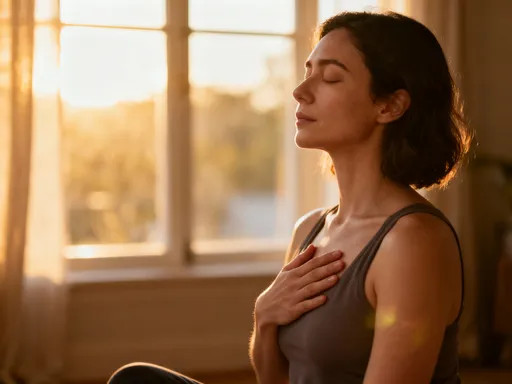
I don’t follow a strict fitness plan. I don’t wake up at 5 a.m. for a workout, and I don’t own a single piece of home exercise equipment. What I do is build movement into the day—naturally, without fanfare. It started with one small habit: stretching for five minutes when I wake up. I lie on a mat by my bed and do simple movements—reaching my arms overhead, bending my knees to my chest, rolling my shoulders. It doesn’t feel like exercise. It feels like waking up my body with kindness.
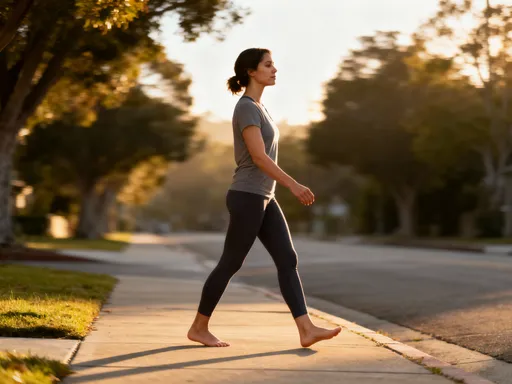
After meals, I walk. Not for miles, not at a fast pace—just around the block or up and down my driveway. Sometimes I take my dog, sometimes I go alone. The key is consistency, not distance. I’ve noticed that doing this, especially after dinner, helps me feel lighter and sleep better. I also stand while working when possible. I don’t have a standing desk, but I’ll fold laundry, sort mail, or answer emails while on my feet. If I’m on a phone call, I pace. These aren’t dramatic changes, but they add up.
Household tasks have become part of my movement routine too. Vacuuming, gardening, even washing dishes with full arm motions—these all engage muscles and keep me from sitting too long. I used to see these chores as burdens, but now I view them as opportunities. I also track my steps—not obsessively, but enough to stay aware. Seeing that I’ve moved 4,000 steps by midday reminds me to take a short walk in the evening. It’s not about hitting 10,000 every day; it’s about building awareness and gently encouraging more motion.
What I don’t do is force myself into workouts I dislike. I’ve tried high-intensity classes, early morning runs, and complicated routines. They never lasted. The difference now is that I don’t see movement as something I have to endure. It’s something I get to do—a privilege of being in a body that can still move with ease. And because it feels good, not punishing, I keep coming back to it.
Science-Backed Benefits of Consistent Light Activity
The benefits of light, regular movement are not just anecdotal—they are supported by decades of research. A major study from the American Heart Association found that adults who replaced just 30 minutes of sitting with light walking each day had a 14% lower risk of cardiovascular disease over a ten-year period. Another study in Diabetologia showed that breaking up long periods of sitting with three-minute walking breaks every half hour improved insulin sensitivity by 39% in adults with overweight or obesity—critical for reducing the risk of type 2 diabetes.
Mood and cognitive function also improve with light activity. A review published in The Lancet Psychiatry analyzed data from over 1.2 million people and found that individuals who engaged in non-exercise physical activities—like walking, gardening, or housework—reported fewer days of poor mental health than those who were inactive. This is especially meaningful for women in midlife, when hormonal fluctuations can affect emotional well-being.
Additionally, regular movement supports joint health and balance. As we age, maintaining range of motion becomes crucial for independence. A study from the Journal of the American Geriatrics Society demonstrated that older adults who engaged in daily light physical activity had better mobility and were less likely to experience falls. This isn’t about building muscle mass or endurance; it’s about preserving function—being able to bend, reach, climb stairs, and carry groceries without pain or fear.
One of the most powerful findings is that these benefits accumulate gradually. You don’t need to do everything at once. Ten minutes of walking here, five minutes of stretching there—these fragments form a protective shield over time. The body doesn’t require grand gestures. It responds to repetition, rhythm, and regularity. And the best part? These activities fit into real life. No special clothes, no gym fees, no scheduling conflicts. Just motion, woven into the day like a quiet promise to yourself.
How to Build a No-Stress Movement Habit
The secret to lasting change isn’t motivation—it’s routine. Motivation fades. Willpower depletes. But habits, once established, run on autopilot. The goal isn’t to feel inspired every day; it’s to make movement so simple and integrated that it becomes automatic. One effective strategy is habit stacking—pairing a new behavior with an existing one. For example, every time I finish brushing my teeth in the morning, I do three minutes of stretching. After I pour my coffee, I stand and roll my neck and shoulders. These micro-moments don’t require extra time; they simply replace stillness with motion.
Environmental cues also help. I keep a pair of walking shoes by the front door so they’re visible and easy to grab. I place a small mat in my bedroom so I don’t have to search for it in the morning. These small adjustments remove friction and make the desired behavior easier. I also use gentle reminders—like a note on the fridge that says “Walk after lunch” or a calendar checkmark for days I move intentionally. It’s not about perfection; it’s about awareness.
Starting small is essential. If the idea of daily movement feels overwhelming, begin with one tiny action. Stand up and sit down five times after dinner. Walk around the kitchen while waiting for the kettle to boil. The point is not the quantity of movement but the signal it sends: I am choosing to care for myself. Over time, these actions grow naturally. You’ll find yourself adding more—not because you’re forcing it, but because your body begins to crave the feeling of being active.
Another key is reframing how you think about movement. It’s not a chore, a punishment, or a requirement. It’s a gift. It’s the way we honor our bodies, maintain our independence, and protect our future health. When you see it that way, it becomes something you look forward to, not something you dread.
Common Barriers (And How to Beat Them Without Willpower)
Many women say they can’t move because they’re too tired, too busy, or too sore. These are real feelings, not excuses. But they don’t have to be permanent roadblocks. When fatigue is high, even two minutes of gentle movement—like shoulder rolls or ankle circles—can boost circulation and energy. It may seem counterintuitive, but light activity often reduces tiredness rather than increasing it. The body responds to motion with increased oxygen flow and improved alertness.
Lack of time is another common concern. But movement doesn’t have to be carved out of an already full schedule. It can be embedded within it. Talk on the phone while walking around the house. Stand and stretch during TV commercials. Park farther away at the grocery store. These small choices don’t require extra minutes; they simply repurpose existing ones. Over the course of a day, they can add up to 30 minutes or more of activity—without disrupting your routine.
Discomfort or joint sensitivity can also deter movement. In those moments, chair-based stretches are a powerful alternative. Seated leg lifts, arm circles, neck rolls, and gentle twists can all be done with minimal strain. The goal isn’t to push through pain but to maintain mobility. Listening to your body is part of the practice. Some days will feel easier than others, and that’s okay. The habit is what matters, not the intensity.
Finally, the belief that “I hate exercise” often stems from past experiences with rigid, demanding routines. But movement doesn’t have to look like exercise. It can look like dancing while cooking, playing with a pet, or walking through a garden. When we release the idea that movement must be structured or strenuous, we open the door to enjoyment. And when it feels good, it becomes sustainable.
Making Prevention Personal: Your Body, Your Rhythm
There is no one-size-fits-all approach to healthy movement. What works for me may not work for you—and that’s perfectly fine. The goal is not to copy anyone else’s routine but to discover what feels right in your body. Some women thrive on morning walks; others prefer gentle stretching before bed. Some enjoy gardening; others find joy in folding laundry with full, mindful motions. The key is to pay attention—to your energy levels, your joint comfort, your mood—and let those guide you.
Experimentation is part of the process. Try a five-minute stretch in the morning and notice how you feel. Walk after dinner for three days and observe any changes in digestion or sleep. Stand during one phone call and see if it lifts your focus. Keep a simple journal if it helps, or just tune in to your body’s feedback. Over time, patterns will emerge. You’ll begin to recognize which activities support your well-being and which ones feel forced.
This isn’t medical advice. It’s a personal reflection on how small, consistent choices can lead to meaningful change. Everyone’s journey is different. Some may eventually add more structured activity; others may stay with light, daily motion. Both are valid. The core principle remains: movement, in whatever form you choose, is a form of self-respect. It’s a way of saying, “I matter. My health matters. My future matters.”
True health isn’t found in extreme fixes but in daily, doable choices. Movement doesn’t have to be hard to be powerful. By embracing small, repeatable actions, we invest in long-term well-being without burnout. This is prevention that fits real life—not a perfect one. Start where you are. Move when you can. Your future self will thank you.