Lost in the Soul of Aqaba: Where Culture Comes Alive
Have you ever felt the desert wind whisper stories of ancient traders and seafarers? In Aqaba, Jordan’s only coastal city, culture isn’t just preserved—it’s lived. From vibrant souks to traditional music echoing at sunset, every moment pulses with authenticity. This isn’t a staged performance; it’s real life, deeply rooted and passionately shared. Nestled where the red dunes meet the turquoise Red Sea, Aqaba has long served as a crossroads of civilizations—Nabatean, Roman, Islamic, and Bedouin—all leaving their mark without overshadowing the city’s distinct soul. Today, it remains a place where tradition and modernity walk hand in hand, where hospitality is not a service but a way of life. Come with me as we dive into experiences that reveal the true heartbeat of this Red Sea gem.
The Gateway to Jordan’s Coastal Identity
Aqaba stands as Jordan’s solitary gateway to the sea, a geographic rarity that has shaped its identity for millennia. Located at the northeastern tip of the Red Sea, it is the country’s only coastal city and its sole port, making it a natural hub for trade, travel, and cultural convergence. Historically, it was a vital stop on ancient caravan routes and pilgrimage paths to Mecca, linking Arabia, Africa, and the Levant. This long history of movement and exchange has made Aqaba inherently cosmopolitan—not in the modern sense of urban sophistication, but in its deep familiarity with diversity, adaptation, and openness.
Unlike Amman’s bustling urban rhythm or Petra’s monumental silence, Aqaba breathes at a different pace. Life here unfolds with a quiet confidence, shaped by the dual forces of desert and sea. The surrounding arid landscape speaks of resilience, while the Red Sea offers abundance, movement, and connection. This duality is reflected in the people—descendants of Bedouin tribes and seafaring families—who carry both nomadic endurance and maritime intuition. Their culture values patience, generosity, and a strong sense of community, all of which are evident in the way strangers are welcomed into homes and conversations.
In recent decades, Aqaba has undergone significant development. Designated as a special economic zone, it has seen the rise of modern resorts, marinas, and infrastructure aimed at boosting tourism and trade. While these changes have brought economic opportunities, they have also sparked tensions between progress and preservation. Some traditional neighborhoods have been redeveloped, and younger generations navigate the balance between global influences and cultural roots. Yet, remarkably, the essence of Aqaba’s identity remains intact. The city has not been swallowed by commercialization; instead, it absorbs change while holding fast to its core values—hospitality, authenticity, and a deep connection to place.
Walking Through the Heart: The Local Souk Experience
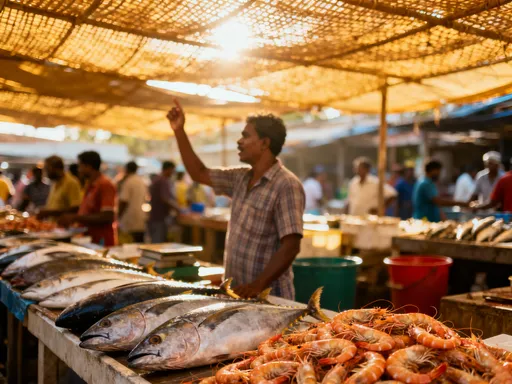
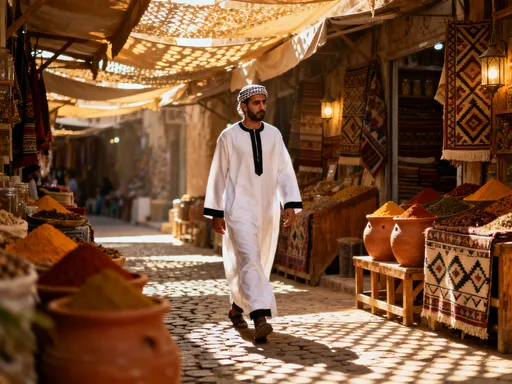
To walk through Aqaba’s central souk is to step into the living pulse of daily life. This is not a sanitized market designed for tourist snapshots, but a vibrant, unfiltered space where locals gather to shop, socialize, and sustain tradition. The moment you enter, your senses are engaged—the sharp fragrance of cumin, cardamom, and dried mint mingles with the earthy scent of olive oil soap and fresh bread. Colorful piles of spices glow like jewels under the sun, while handwoven rugs and embroidered thobes drape over wooden stalls, each piece carrying the imprint of generations.
Vendors greet one another by name, sharing updates about family and weather between transactions. A visitor asking about za’atar might be invited to taste three different blends, each with its own regional variation and family secret. This is not merely commerce; it is conversation, connection, and cultural transmission. The souk operates on a rhythm of familiarity and trust, where price is often secondary to relationship. For travelers, this presents a rare opportunity to engage not as outsiders, but as temporary participants in a community ritual.
What you choose to buy matters. Authenticity can be found in small details: spices sold in bulk from cloth sacks, jewelry crafted from silver and coral with Bedouin motifs, and olive oil soap stamped with the maker’s initials. These are not mass-produced souvenirs, but handmade goods with stories. When you purchase directly from artisans or family-run stalls, you support livelihoods rooted in tradition. Equally important is how you engage—greeting with a polite salaam, accepting an offer of tea if extended, and listening more than speaking. These small gestures are respected and remembered.
The souk also reflects Aqaba’s unique blend of desert and sea influences. You’ll find dried fish alongside dates, nautical ropes displayed near woven camel-hair bags, and incense burners shaped like dhow boats. This fusion is not curated for effect—it is the natural outcome of a culture shaped by both land and water. To walk through the souk is to understand that in Aqaba, culture is not displayed behind glass; it is worn, used, shared, and lived every day.
Taste as Tradition: A Culinary Journey Beyond Hummus
Food in Aqaba is more than sustenance—it is memory, identity, and love made tangible. While hummus and falafel are beloved staples known worldwide, the local cuisine offers a deeper, more nuanced narrative. The Red Sea’s bounty plays a central role: fish such as hammour and kingfish are grilled over open flames, seasoned simply with lemon, garlic, and a blend of spices known as *dawood basha*—a fragrant mix of cumin, coriander, and paprika. The result is tender, smoky, and deeply satisfying, often served with warm flatbread and a side of pickled vegetables.
For special occasions, families prepare *mansaf*, Jordan’s national dish, which holds deep cultural significance. Made with lamb cooked in jameed (a fermented dried yogurt sauce), served over rice and garnished with almonds and pine nuts, mansaf is traditionally eaten from a shared platter, reinforcing bonds of kinship and generosity. The act of eating with the right hand, leaning in close, and sharing from the same dish is as important as the flavors themselves. It is a ritual of unity, often reserved for weddings, religious holidays, and family reunions.
Street food in Aqaba also carries local distinction. Falafel here is typically smaller and crispier than in other regions, fried to order and served in thin pita with fresh parsley, tomato, and tahini. Unlike commercial versions found in tourist zones, these are made daily from soaked and ground fava beans, reflecting a commitment to freshness and tradition. Equally iconic is *mutabbaq*, a flaky, layered pastry filled with spiced meat, onions, and herbs, often enjoyed at breakfast or late at night after an evening stroll.
During Ramadan, the city transforms after sunset. Families gather for *iftar*, the meal that breaks the daily fast, often beginning with dates and lentil soup, followed by a feast of grilled meats, rice dishes, and sweets like *knafeh*—a warm, cheesy pastry soaked in rosewater syrup. Public spaces come alive with communal tables, where neighbors and even strangers share food and conversation. This spirit of generosity extends beyond the holy month, shaping a culture where no guest leaves hungry. For visitors, being invited to a home meal is not just a gesture of hospitality—it is an honor, a rare window into the warmth and depth of Jordanian family life.
Rhythms of the Red Sea: Music, Dance, and Community Gatherings
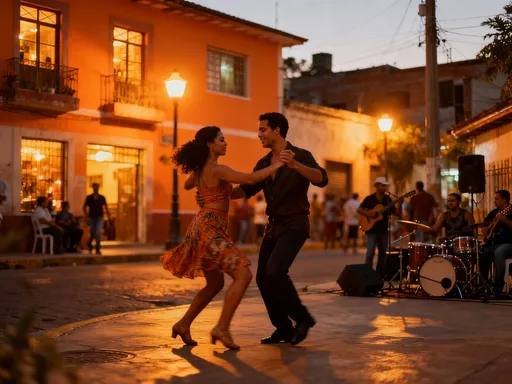
As the sun dips below the Red Sea, painting the sky in hues of amber and rose, the sounds of Aqaba begin to shift. The day’s quiet hum gives way to the rhythmic pulse of the *darbuka*, a goblet-shaped drum whose beats echo through alleyways and courtyards. This is the soundtrack of celebration, memory, and belonging. Traditional music in Aqaba is not confined to performance halls; it lives in homes, weddings, and seaside gatherings, where elders recite Nabati poetry—improvised verses in colloquial Arabic that speak of love, loss, and the wisdom of desert life.
One of the most powerful expressions of this musical heritage is *dabke*, a line dance performed at joyous occasions. Dancers link arms, stomp in unison, and move in flowing patterns, their steps synchronized to the driving rhythm of drums and the melodic strains of the *mijwiz*, a double-pipe wind instrument. Dabke is more than dance; it is a declaration of unity, a physical manifestation of community strength. Each region has its own style, and in Aqaba, the movements carry a fluidity that mirrors the sea, blending Bedouin energy with coastal grace.
What makes these moments so profound is their authenticity. They are not staged for tourists or adjusted for foreign audiences. When a local family invites guests to join a gathering, the music flows naturally, born from emotion rather than performance. Travelers who witness these scenes are not spectators but honored participants, welcomed with open arms. There is no pressure to master the steps or recite poetry—only the invitation to be present, to feel the rhythm, and to share in the joy.
Music also serves as a vessel for history. Many songs recount stories of seafaring journeys, desert crossings, and ancestral resilience. Through melody and verse, language is preserved, and collective memory is passed down. For younger generations, these traditions are not relics but living practices, often taught informally at family events. Supporting cultural sustainability means respecting these spaces—attending community events only when invited, listening more than recording, and honoring the emotional depth behind every note.
Craftsmanship in Motion: Meeting the Makers
In a world of mass production, Aqaba’s artisans offer a powerful counter-narrative—one of patience, skill, and soul. Across the city, small workshops and family homes preserve crafts that have been passed down for generations. In one alley, a potter shapes clay from the desert into elegant vessels using a hand-turned wheel, each piece fired in a traditional kiln. In another, a weaver sits at a loom, her fingers moving with precision as she creates *sadu* textiles—geometric patterns in bold reds, blacks, and whites that tell stories of tribal identity and desert life.
These are not souvenir factories churning out generic trinkets. Each item is made with intention, often taking days or weeks to complete. A handwoven rug may incorporate symbols representing protection, fertility, or journey—meanings known only to those within the culture. Olive oil soap, carved with intricate designs, is made using cold-press methods that retain the oil’s natural benefits. Jewelry crafted from silver and red coral reflects both aesthetic beauty and cultural symbolism, often worn during celebrations or gifted at weddings.
Yet, these artisans face real challenges. Competition from imported goods, rising material costs, and shifting consumer preferences threaten the sustainability of their work. Many young people are drawn to urban careers, leaving fewer apprentices to carry on the traditions. Ethical tourism offers a vital lifeline. When travelers seek out authentic workshops, ask questions, and purchase directly, they contribute to economic resilience. More importantly, they affirm the value of these skills—not as relics of the past, but as living art forms worthy of support.
Visiting a workshop is not just about buying; it is about connection. Artisans often share stories as they work—their childhood memories, the meaning behind a pattern, the tools their grandparents used. These conversations deepen the traveler’s understanding and transform a simple object into a vessel of human experience. By engaging mindfully, visitors help ensure that these crafts continue not out of nostalgia, but out of pride and purpose.
Beyond the Beach: Cultural Layers of the Red Sea Coast
Aqaba is renowned for its coral reefs, crystal-clear waters, and world-class diving, attracting thousands of visitors each year. Yet, beneath the surface of its natural beauty lies a rich cultural tapestry woven from centuries of maritime life. The sea is not just a destination for recreation; it is a source of identity, livelihood, and spiritual connection. Local fishermen still use traditional methods—handwoven nets, wooden dhows, and lunar-based timing—to navigate the waters, following knowledge passed down through generations.
Fishing is more than an occupation; it is a way of life governed by rhythm, respect, and sustainability. Many families observe seasonal patterns, avoiding certain areas during breeding months, reflecting an innate understanding of ecological balance. These practices, rooted in necessity, align closely with modern principles of conservation. Increasingly, eco-tourism initiatives are recognizing this wisdom, partnering with local communities to offer guided fishing experiences that educate visitors about both marine life and cultural heritage.
Maritime festivals, though less publicized than urban celebrations, play a vital role in preserving this connection. Events such as the annual Dhow Festival honor the craftsmanship of boat-building and the legacy of seafaring. Elders share stories of navigation by stars, trade routes to Africa and India, and the dangers of Red Sea storms. These gatherings are not spectacles; they are acts of remembrance and continuity, ensuring that younger generations understand the sea not just as a resource, but as a teacher.
Environmental awareness and cultural respect go hand in hand. When travelers learn about traditional fishing methods, visit community-led marine education centers, or participate in beach clean-ups organized by local groups, they contribute to a broader movement of stewardship. This is not tourism that extracts; it is tourism that gives back, honoring a way of life shaped by water, wind, and wisdom.
Traveling with Purpose: How to Engage Respectfully and Meaningfully
Cultural tourism in Aqaba is not about collecting experiences like souvenirs; it is about building bridges of understanding. With this privilege comes responsibility. Travelers have the power to support or undermine the very traditions they come to admire. The difference lies in intention, awareness, and action. Dressing modestly—covering shoulders and knees—is not just a cultural norm but a sign of respect, especially in residential areas and markets. Greeting people with a simple *“salaam alaikum”* or *“shukran”* opens doors, often leading to warm conversations and unexpected invitations.
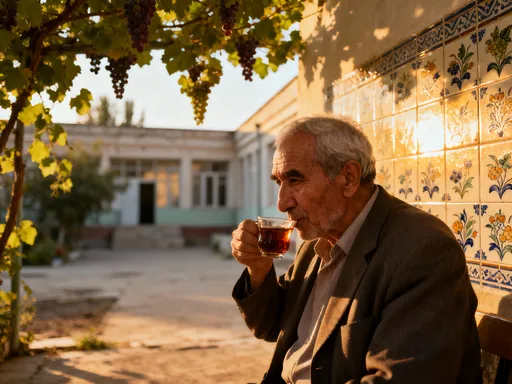
Asking permission before taking photographs, especially of people or private spaces, is essential. A smile and a gesture can convey respect more than words. Equally important is listening—allowing conversations to unfold naturally, resisting the urge to dominate or exoticize. When visiting homes, accepting tea or food is more than politeness; it is participation in a sacred ritual of hospitality. Refusing can be seen as a slight, not out of offense, but because sharing is central to identity.
Supporting local economies means choosing family-run restaurants, staying in community-based guesthouses, and buying directly from artisans. Avoiding large chain stores and all-inclusive resorts ensures that tourism dollars reach those who need them most. Slow travel—spending several days rather than rushing through—allows for deeper connections and a more accurate understanding of daily life.
Ultimately, the goal is not to take, but to give—through respect, attention, and reciprocity. When travelers approach Aqaba with humility and curiosity, they do not merely witness culture; they help sustain it. Their presence becomes part of a larger story—one of mutual respect, shared humanity, and enduring tradition.
Carrying the Spirit Forward
Aqaba does not perform its culture for applause. It lives it—quietly, warmly, insistently. To visit is not just to see ancient sites or swim in turquoise waters, but to feel the pulse of a community that values connection over convenience, tradition over trend, and hospitality over profit. Every spice in the souk, every note of the darbuka, every stitch in a handwoven rug carries the weight of history and the warmth of human care.
The true richness of Aqaba lies not in its monuments, but in its people—the fisherman who shares his story at dawn, the grandmother who teaches a child to shape dough for bread, the artisan who spends weeks on a single piece of jewelry. These moments, unscripted and unposed, are the soul of the city. When travelers engage with openness and respect, they do not remain outsiders. They become part of a living tradition, helping to carry it forward.
And so, as you leave Aqaba, you carry more than memories. You carry a quiet understanding—that culture is not something to be consumed, but to be honored. That the most meaningful journeys are not measured in miles, but in moments of connection. And that by traveling with purpose, we don’t just discover the world—we help preserve its deepest, most beautiful truths.