Lost in the Wild Beauty of Zanzibar’s Untouched Nature
Have you ever stepped into a place so raw and real that it rewires your soul? That’s Zanzibar’s natural side—not the postcard beaches, but the wild forests, swaying mangroves, and quiet trails where life moves with the rhythm of the tide. I went looking for peace and found something deeper: a world alive with whispers of wind, rustling palms, and secrets only nature tells. Beyond the sun-kissed resorts and bustling markets lies an untouched dimension of the island, one that pulses with biodiversity and ancient quiet. For travelers seeking more than relaxation, Zanzibar’s inland landscapes offer a rare gift: connection. Connection to the earth, to wildlife, and to a slower, more mindful way of moving through the world. This is not tourism as performance, but as presence.
The Other Side of Zanzibar: Beyond Beaches and Resorts
Zanzibar is often celebrated for its powdery white sands and shimmering Indian Ocean waters, drawing thousands each year to its coastal resorts and historic Stone Town. Yet, beyond the well-trodden paths of tourism, the island reveals a different character—one shaped by dense forests, salt flats, and whispering mangroves. These inland ecosystems, though less photographed, are equally vital to Zanzibar’s identity. While the beaches offer serenity, the island’s natural reserves offer discovery. Travelers who venture inland encounter a version of Zanzibar that is unhurried, unfiltered, and deeply rooted in ecological balance.
What makes these wild spaces so transformative is their authenticity. Unlike curated resort experiences, nature here unfolds on its own terms. You may wait quietly beneath a baobab tree before catching a glimpse of a shy duiker, or pause on a wooden bridge as a flock of kingfishers darts across a tidal creek. These moments are not scheduled or staged—they happen in real time, shaped by the rhythms of light, tide, and season. For many visitors, especially women in their 30s to 50s who value meaningful experiences over luxury, this authenticity is profoundly restorative. It offers a chance to step away from daily routines and reconnect with something elemental.
Exploring Zanzibar’s natural side also deepens cultural understanding. Many of these ecosystems are intertwined with local traditions—fishermen rely on mangroves for nursery grounds, farmers use forest plants for natural remedies, and elders pass down stories about the spirits believed to inhabit ancient trees. By respecting and learning from these landscapes, travelers gain insight into a way of life that honors balance and interdependence. This shift—from passive observer to mindful participant—can redefine what it means to travel well.
Jozani Chwaka Bay: Where Wildlife Meets Wilderness
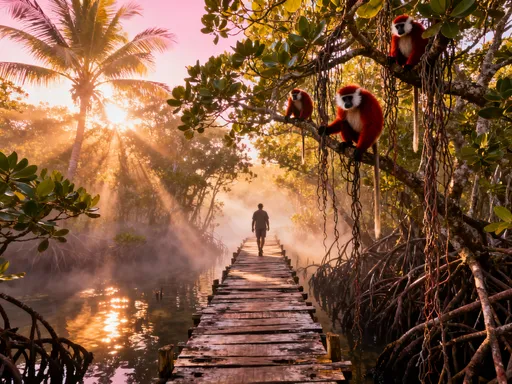
At the heart of Zanzibar’s natural preservation lies Jozani Chwaka Bay National Park, the island’s only officially protected forest. Spanning over 25 square kilometers, this lush reserve is a sanctuary for rare species and a living classroom for ecological awareness. The park’s most famous residents are the Zanzibar red colobus monkeys, a species found nowhere else on Earth. With their striking rust-colored fur and expressive eyes, these primates move gracefully through the canopy, often pausing to observe curious visitors below. Seeing them in the wild—nursing their young, leaping between branches, or simply resting in the dappled sunlight—is a moment many describe as unforgettable.
The experience of walking through Jozani is as sensory as it is educational. A network of elevated boardwalks winds through the forest, allowing safe passage over swampy undergrowth while minimizing human impact. The air is thick with the scent of damp earth and wild jasmine, and the soundscape is rich with bird calls, insect hums, and the occasional rustle of a bushbaby in the canopy. Guided tours, led by trained local naturalists, enhance the journey by pointing out medicinal plants, explaining animal behaviors, and sharing conservation stories. These guides often speak with quiet pride about how community efforts helped save the red colobus from near extinction in the 1980s.
Timing your visit to Jozani can significantly shape your experience. Early morning hours, between 7:00 and 9:00 a.m., offer the best wildlife activity and cooler temperatures. This is when monkeys are most active, birds are singing, and the forest feels most alive. Late afternoon visits can be peaceful but may yield fewer sightings. The park remains open year-round, though the dry seasons—from June to October and December to February—are ideal for comfortable walking and clearer views. Rainy months bring lush greenery but can make trails muddy and insects more prevalent.
Conservation at Jozani is a continuous effort. In addition to protecting the red colobus, the park safeguards a variety of other species, including Sykes’ monkeys, bushbabies, and over 40 species of birds. The surrounding wetlands are part of a larger ecosystem that supports fish breeding, water filtration, and carbon sequestration. Entrance fees contribute directly to park maintenance and community development, ensuring that tourism supports both nature and people. For travelers, knowing that their visit has a positive impact adds depth to the experience.
Mangrove Trails and Tidal Rhythms: A Hidden Network
One of Zanzibar’s most underrated natural wonders is its mangrove forests—complex, salt-tolerant ecosystems that thrive where land meets sea. These forests, found along tidal creeks and sheltered bays, form a labyrinth of twisted roots and narrow waterways that shift with the ebb and flow of the ocean. Though they may appear quiet at first glance, mangroves are teeming with life. They serve as nurseries for fish, crabs, and shrimp, provide habitat for birds and reptiles, and act as natural barriers against coastal erosion and storm surges.
A guided kayak or walking tour through the mangroves offers a uniquely immersive experience. During low tide, shallow channels reveal muddy banks where small crabs scuttle and mudskippers balance on stilt-like fins. Local guides, often former fishermen with intimate knowledge of the tides, navigate these routes with ease, pointing out different mangrove species—such as the red mangrove with its stilt roots and the grey mangrove with its salt-excreting leaves. They explain how each species plays a role in filtering seawater and stabilizing the coastline. For many visitors, especially those interested in environmental sustainability, these lessons are both surprising and inspiring.
The rhythm of the tides dictates the pace of mangrove exploration. Tours are carefully timed to coincide with low tide, when the channels are accessible but not too dry. Attempting to walk through during high tide can be dangerous, as water levels rise quickly and visibility decreases. This natural dependency on timing teaches patience and respect—an important reminder that nature sets the rules. Some community-led tours also include a stop at a small mangrove nursery, where saplings are grown and later replanted to restore degraded areas. Participating in a brief planting activity, even symbolically, can leave a lasting emotional imprint.
Beyond their ecological value, mangroves are deeply tied to local livelihoods. Women in coastal villages often collect fallen mangrove branches for cooking fuel, while others use the leaves to tan fish nets or make natural dyes. Sustainable harvesting practices are now being promoted to prevent overuse. Travelers who learn about these traditions gain a fuller picture of how communities live in harmony with nature. It’s a powerful contrast to fast-paced urban life and a reminder that resilience often grows from simplicity.
Practical Immersion: Choosing the Right Natural Destination
Not every natural site in Zanzibar suits every traveler, and choosing the right destination depends on personal interests, physical ability, and time availability. For families or those with limited mobility, Jozani’s boardwalks offer an accessible and safe way to experience the forest. The paths are well-maintained, shaded, and require only moderate walking. Birdwatchers may prefer the wetlands near Chwaka Bay, where herons, egrets, and kingfishers are commonly spotted. Hikers seeking more challenge can explore the lesser-known trails near Pongwe or Kizimkazi, though these require local guidance and proper footwear.
Accessibility varies across sites. Jozani is about a 35-minute drive from Zanzibar Town and is well-connected by road. Mangrove tours often depart from Michenzani or Bwejuu, with transport arrangements typically included by local tour operators. Some remote areas, such as the northern forests near Kendwa, are less developed and may require 4x4 vehicles or longer walks. It’s advisable to confirm road conditions in advance, especially during the rainy season.
Entry requirements are straightforward but important to note. Jozani National Park requires a small entrance fee, payable in cash, and visitors must register at the gate. Guided tours are mandatory for certain areas, ensuring safety and environmental protection. Mangrove excursions usually include all equipment, such as kayaks or life jackets, and are led by certified guides. No special permits are needed for general eco-tours, but photography for commercial use may require prior approval.
The best season for nature exploration aligns with Zanzibar’s dry periods. From June to October, the weather is cooler and skies are clearer, making forest walks more comfortable. December to February offers warm, sunny days with lower humidity—ideal for coastal trails and mangrove kayaking. The long rains (March to May) and short rains (November) bring lush vegetation but can make some paths slippery or inaccessible. Travelers should check local forecasts and consult with tour providers before planning their visits.
Enhancing Your Experience: Local Guides, Timing, and Gear
The difference between a pleasant walk and a transformative journey often comes down to preparation and guidance. Hiring a certified local guide is one of the most impactful choices a traveler can make. These individuals do more than point out animals—they share stories, explain ecological relationships, and help visitors interpret what they’re seeing. A guide might show how termite mounds support plant growth, or explain why certain trees flower only after a fire. Their knowledge turns a simple trail into a living narrative.
Timing is equally crucial. Arriving at a reserve early in the morning increases the chances of wildlife sightings and allows exploration during the coolest part of the day. Midday heat in Zanzibar can be intense, especially under direct sun, so planning activities for the early or late hours improves both comfort and experience quality. Sunset walks, while less active for animals, offer stunning light and a peaceful atmosphere ideal for reflection.
Proper gear ensures safety and comfort. Lightweight, long-sleeved clothing protects against sun and insects, while closed-toe shoes with good grip are essential for forest and mangrove trails. A wide-brimmed hat, sunscreen, and insect repellent are highly recommended. Bringing a reusable water bottle supports hydration and reduces plastic waste. For photography, a zoom lens is useful for capturing wildlife without disturbing it. Binoculars enhance birdwatching and distant animal viewing, making them a worthwhile addition for nature enthusiasts.
Many local tour operators provide welcome kits that include maps, field guides, and cultural tips. Some even offer small journals for visitors to record their observations. These thoughtful touches encourage mindfulness and deeper engagement. Travelers are also advised to carry cash for entrance fees and small purchases, as digital payment options may be limited in remote areas.
Balancing Exploration and Preservation
As eco-tourism grows in popularity, the need for responsible travel practices becomes more urgent. Every footstep in a natural reserve has an impact, and visitors play a direct role in either protecting or degrading these fragile environments. Staying on marked paths is one of the simplest yet most effective ways to minimize harm. Straying off trails can damage plant roots, disturb animal habitats, and accelerate soil erosion. In mangrove areas, stepping on exposed roots during low tide can kill entire sections of forest, as these structures are vital for oxygen exchange and stability.
Respecting wildlife means observing from a distance and never feeding animals. While the red colobus monkeys may seem approachable, feeding them alters their natural diet and behavior, leading to health problems and dependency. Loud noises, sudden movements, and flash photography can also cause stress. The goal is to be a quiet, unobtrusive presence—someone who listens more than they speak.
Littering, even with biodegradable items like fruit peels, should be avoided. Organic waste can introduce foreign microbes and attract pests. All trash, including tissues and food wrappers, should be carried out and disposed of properly. Travelers are encouraged to use reusable containers and avoid single-use plastics whenever possible. Some tour groups organize brief clean-up activities, turning conservation into a shared mission.
Supporting community-led initiatives is another powerful way to give back. Many conservation projects in Zanzibar are run by local cooperatives that employ women as guides, artisans, or educators. Purchasing handmade crafts, such as woven baskets or natural soaps, directly supports these efforts. Participating in a community-led tour ensures that income stays within the region, fostering long-term sustainability. When tourism benefits both nature and people, it becomes a force for lasting good.
Why Nature Immersion Changes How We Travel
Spending time in Zanzibar’s wild places does more than fill a vacation itinerary—it changes the way we see the world. For many women in midlife, travel is no longer just about escape, but about renewal. Immersion in nature offers a space to reflect, reset, and reconnect with personal values. The quiet of a forest, the rhythm of the tides, the sight of a monkey cradling her baby—these moments invite introspection and gratitude.
More than that, nature immersion fosters environmental awareness. When we witness the delicate balance of an ecosystem firsthand, we begin to understand our role within it. We see how mangroves protect villages from storms, how forests clean the air, and how every species has a purpose. This awareness often leads to lasting changes in behavior—reducing waste, supporting conservation, or choosing more sustainable travel options in the future.
Ultimately, traveling this way shifts the focus from consumption to connection. Instead of collecting souvenirs, we gather memories. Instead of chasing luxury, we seek meaning. Zanzibar’s untouched nature reminds us that the most profound experiences are often the simplest—the sound of wind in the palms, the warmth of sun through the leaves, the feeling of being present in a world that thrives without us.
So the next time you plan a journey, consider stepping off the beaten path. Let go of the need for comfort and convenience. Seek out the wild, the quiet, the real. In doing so, you may not only discover a new destination—but rediscover yourself.