Tea, Toast, and Tiny Towns: My Plate-Full Love Letter to Nuwara Eliya
You know that feeling when a place just gets you? Nuwara Eliya did that to me—especially through its food. Nestled in Sri Lanka’s misty highlands, this little town serves up way more than just tea. From steaming plates of hoppers to buttery toast with homemade jam, every bite felt like a warm hug. This isn’t just a travel stop—it’s a flavor adventure you gotta taste to believe. The cool mountain air, the scent of damp earth and fresh-baked bread, the quiet hum of daily life unfolding in colonial-era lanes—everything here invites you to slow down and savor. In a country known for its vibrant coastlines and bustling cities, Nuwara Eliya stands apart, not just for its scenery, but for the way food becomes a language of comfort, connection, and quiet joy.
Arrival in the Highlands: First Impressions of Nuwara Eliya
Stepping off the bus or winding down the final stretch of road into Nuwara Eliya feels like entering another world. The transition is gradual but unmistakable. As you climb from the tropical lowlands, the air grows cooler, the humidity thins, and the landscape transforms. Lush green tea plantations drape the hillsides like carefully stitched quilts, stretching as far as the eye can see. Eucalyptus and pine trees line the roads, their crisp scent mingling with the earthy aroma of wet soil after a morning shower. This is Sri Lanka’s hill country, and Nuwara Eliya—often called ‘Little England’—is its charming centerpiece.
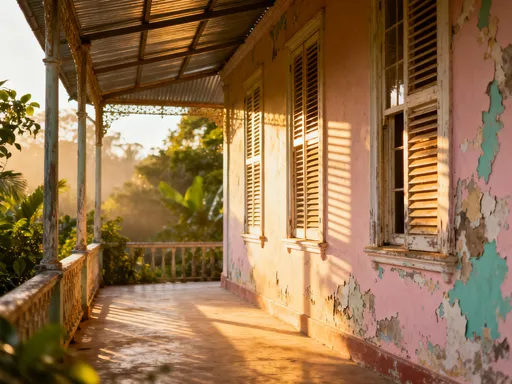
The town’s colonial past is visible in its architecture: red-roofed bungalows with wide verandas, stone chimneys, and neatly trimmed gardens. The Post Office, the Hill Club, and the famous Gregory Lake all carry echoes of a bygone era, yet they are very much alive today. Locals stroll along the promenade, children fly kites near the boating area, and vendors sell roasted corn and warm ginger tea from roadside carts. There’s a gentleness here, a rhythm that feels more deliberate than the coastal towns where life pulses with the tides.
But what truly sets Nuwara Eliya apart is how its environment shapes its food. The cooler climate allows for different crops—temperate vegetables like carrots, cabbages, and leeks thrive here, unlike in the hotter south. Dairy farming is more common, so fresh milk, butter, and even homemade cheese find their way onto menus. The food, like the landscape, is layered. It’s not fiery or bold in the way some coastal curries can be; instead, it’s warming, balanced, and deeply comforting. Meals feel like they’re meant to nourish, not just impress. And from the moment you arrive, you’re invited to partake in that nourishment—not as a tourist, but as a guest at a long table set by the hills themselves.
Morning Rituals: Why Breakfast Steals the Show
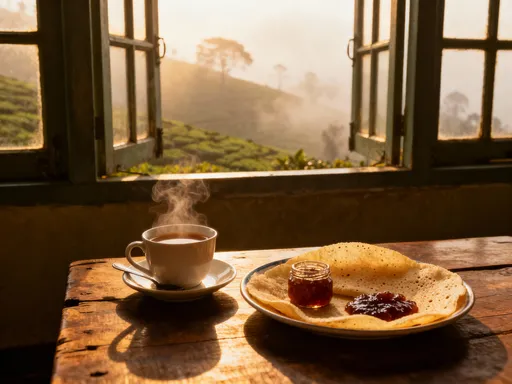
If there’s one meal that captures the soul of Nuwara Eliya, it’s breakfast. Mornings here unfold slowly, wrapped in mist and the soft clink of teacups. The cool air makes warmth a priority, and food becomes the primary source of it. Across the town, in homes and guesthouses alike, the day begins with the scent of coconut milk sizzling in a pan, the gentle hiss of hoppers forming their delicate lace edges, and the rich aroma of freshly brewed Ceylon tea.
Hoppers—bowl-shaped fermented pancakes made from rice flour and coconut milk—are a breakfast staple. They arrive steaming hot, often with a soft egg cradled in the center, and are served alongside a small bowl of coconut sambol, a zesty relish made with grated coconut, chili, lime, and sometimes onions. The texture is a revelation: crisp around the edges, soft and slightly tangy in the middle. String hoppers, delicate nests of steamed rice noodles, are another favorite, usually paired with a mild dhal curry or a dollop of coconut chutney. These aren’t just dishes; they’re rituals, passed down through generations, and eating them feels like stepping into the daily rhythm of local life.
For those who lean toward something more familiar, Nuwara Eliya’s bakeries offer a delightful fusion of British and Sri Lankan influences. You’ll find flaky pastries, soft milk buns, and thick slices of white bread—perfect for toasting and slathering with homemade strawberry or gooseberry jam. Many family-run cafes serve breakfast platters that include poached eggs, baked beans, and buttery toast, all presented with care. The tea, of course, is always present. A steaming pot of high-grown Ceylon tea, light in color but rich in flavor, is the constant companion to every morning meal.
What makes breakfast here so special isn’t just the food—it’s the pace. There’s no rush. People linger over second cups, chat with neighbors, or simply watch the fog lift from the hills. In a world that often demands speed, Nuwara Eliya teaches you to savor the first hours of the day, one warm bite at a time.
The Heart of the Table: Traditional Sri Lankan Meals
While breakfast sets the tone, it’s the midday and evening meals that reveal the full depth of Nuwara Eliya’s culinary culture. At the heart of Sri Lankan dining is the rice and curry tradition—a meal that is as much about balance as it is about flavor. In Nuwara Eliya, this tradition takes on a distinct character, shaped by the cool climate and the abundance of fresh, local produce.
A typical meal begins with a mound of steamed white rice, served on a banana leaf or a simple plate. Around it, an array of small bowls appears, each holding a different curry. Dhal, made from yellow lentils simmered with turmeric, garlic, and curry leaves, is a constant presence. It’s creamy, mildly spiced, and deeply satisfying. Then there are the vegetable curries: dishes made from pumpkin, long beans, bitter gourd, or spinach, each cooked with a blend of roasted spices and coconut milk. What sets the highland versions apart is their freshness. Because the region grows so many temperate vegetables, the ingredients are often picked just hours before cooking.
One standout dish is jackfruit curry. Young jackfruit, with its meaty texture, is slow-cooked in a gravy of onions, garlic, and a blend of ground spices, including cinnamon, cardamom, and fenugreek. It’s rich but not heavy, and it pairs perfectly with rice. Another favorite is beetroot pickle—a bright pink, slightly sweet relish that adds a pop of color and tang to the plate. For protein, you might find a dry fish curry, chicken curry with a golden sauce, or even a simple fried egg, crisped at the edges.
Meals are served family-style, encouraging sharing and conversation. There’s no strict order—people help themselves, mixing flavors and adjusting spice levels to taste. Some enjoy a spoonful of fiery chili paste on the side, while others stick to milder accompaniments. The experience is communal, unhurried, and deeply rooted in tradition. Eating a Sri Lankan rice and curry meal in Nuwara Eliya isn’t just about filling your stomach; it’s about participating in a way of life where food is love, care, and connection all at once.
Tea Time, Done Right: Sipping History in a Cup
No visit to Nuwara Eliya would be complete without paying homage to its most famous export: tea. The town sits at the heart of Sri Lanka’s tea country, where emerald-green plantations climb the hills in perfect rows. These estates, some of which have been producing tea for over a century, are not just scenic backdrops—they are living, working landscapes that define the region’s identity.
Visiting a tea plantation is one of the most rewarding experiences for any traveler. Guided tours take you through the process, from the careful plucking of the tender tea leaves by hand to the withering, rolling, oxidizing, and drying stages in the factory. The air inside the factory is warm and fragrant, filled with the toasty scent of drying leaves. You’ll see large machines at work, but the process still relies heavily on human expertise—workers monitor temperature, timing, and aroma to ensure quality.
The real magic, though, happens in the tasting room. Here, you’re invited to sample different grades and varieties of tea—black, green, and even white—each with its own character. Highland-grown teas, like those from Nuwara Eliya, are prized for their light body, bright flavor, and floral notes. A good cup should be smooth, with a clean finish and a subtle astringency that lingers pleasantly on the palate. Unlike stronger, maltier teas from lower elevations, Nuwara Eliya’s brews are delicate, almost ethereal.
Tea tasting isn’t just a sensory experience—it’s a lesson in terroir, the idea that soil, altitude, and climate shape flavor. The cool temperatures, frequent mists, and rich soil of the highlands slow the growth of tea plants, allowing them to develop more complex flavors. This is why Nuwara Eliya teas are often described as some of the finest in the world.
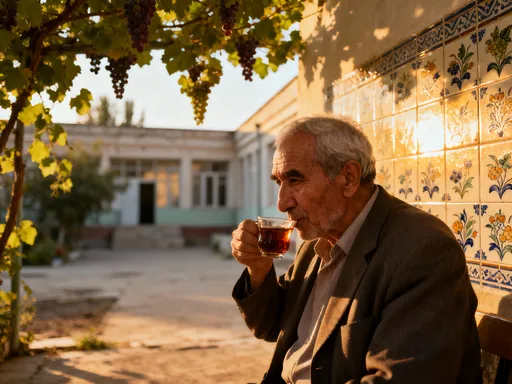
To truly enjoy tea like a local, pair it with short eats. Paniyaram, soft dumplings made from fermented rice and lentil batter, are a popular choice. They’re slightly tangy, fluffy inside, and perfect with a hot cup. Milk toffee, a sweet, chewy confection made from condensed milk and sugar, is another favorite. Sitting on a veranda overlooking the plantations, sipping tea and nibbling on these treats, you begin to understand why this ritual is so cherished. It’s not just about refreshment—it’s about pause, reflection, and appreciation for a craft that has shaped a region.
Hidden Eats: Off-the-Beaten-Path Flavors Worth Finding
While the well-known cafes and hotels offer comfort and consistency, the true culinary gems of Nuwara Eliya are often found off the main roads. These are the small, family-run eateries, roadside stalls, and market corners where authenticity reigns. Here, food is cooked in open kitchens, served on mismatched plates, and eaten with your hands or a single fork. It’s unpolished, yes—but also unforgettable.
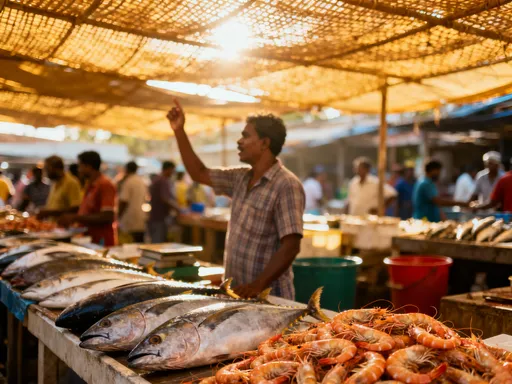
One of the best ways to discover these hidden spots is to visit the local market. Early in the morning, the Nuwara Eliya market comes alive with activity. Vendors arrange pyramids of fresh vegetables—carrots with their greens still attached, bundles of leeks, bright red tomatoes—all grown in nearby farms. Stalls overflow with tropical fruits: rambutan, papaya, and the fragrant wood apple, which is often made into a sweet, pulpy drink. Amid the produce, you’ll find women selling freshly made snacks: steamed idiyappam (rice noodles), small banana fritters, and spicy lentil vadas.
Look for stalls where locals line up. A busy queue is often the best indicator of quality. One popular item is kottu roti, a chopped-up flatbread stir-fried with vegetables, egg, and sometimes chicken or cheese. It’s cooked on a hot griddle, the rhythmic chopping of the metal spatula creating a kind of street food symphony. Another must-try is milk rice, or kiribath, especially when served as part of a small home kitchen’s daily offering. This creamy, slightly sweet dish is made by cooking rice in thick coconut milk and is often shaped into diamonds or squares.
When eating street food, a few simple tips ensure both enjoyment and safety. Choose vendors who cook food to order and keep their stations clean. Look for dishes that are served hot and freshly prepared. Avoid anything that’s been sitting out in the open, especially in warmer parts of the day. Bottled water is widely available, and it’s always wise to drink it with meals. By following these guidelines, you can explore with confidence, knowing that every bite brings you closer to the real taste of Nuwara Eliya.
Sweet Escapes: Desserts and Homemade Treats
Sri Lankan desserts are often understated compared to the bold flavors of the main courses, but in Nuwara Eliya, they take on a special charm. Sweets here are less about sugar overload and more about balance—creamy, fragrant, and gently spiced. They reflect the care and patience that define the region’s food culture.
One of the most beloved desserts is wattalappam, a rich, custard-like pudding made with coconut milk, jaggery (palm sugar), eggs, and spices like cardamom and nutmeg. It’s steamed until just set, giving it a silky texture that melts on the tongue. The flavor is deep and caramel-like, with a hint of smokiness from the jaggery. You’ll find wattalappam in homes, bakeries, and even some roadside stalls—each version slightly different, depending on the family recipe.
Another favorite is kiri tolu, a simple but elegant sweet made from solidified milk. It’s similar to a milk cake, with a soft, fudge-like texture and a mild sweetness. Sometimes flavored with rosewater or saffron, it’s often cut into small squares and served with tea. Because Nuwara Eliya has a strong dairy tradition, these milk-based sweets are especially good here—fresher and richer than in other parts of the country.
Fruit also plays a starring role in desserts. Fresh fruit salads are common, combining local favorites like banana, papaya, and pineapple with a squeeze of lime and a sprinkle of roasted coconut. Some vendors drizzle a touch of honey over the top, adding a floral note that complements the natural sweetness.
For those who want to take a taste of Nuwara Eliya home, the weekend markets are treasure troves. Jars of homemade jam—strawberry, passionfruit, or even ginger—are sold by local women who preserve them in small batches. Highland honey, collected from bees that feed on wildflowers and tea blossoms, has a delicate, floral flavor. And of course, there’s tea—loose-leaf, hand-packed, and labeled with the estate name. These aren’t just souvenirs; they’re edible memories, each one carrying the essence of the highlands.
Eating Like a Local: Practical Tips for Food Travelers
To truly enjoy the food culture of Nuwara Eliya, it helps to adopt a few local habits. Meals here follow a different rhythm than in fast-paced cities. Lunch is often the main meal of the day, served between 12:30 and 2:00 PM, while dinner is lighter and earlier, usually by 7:00 PM. Breakfast, as we’ve seen, is a leisurely affair, best enjoyed between 7:30 and 9:00 AM. Aligning your schedule with these timings ensures you get the freshest food and the warmest service.
Portion sizes in local homes and small restaurants can be generous. Don’t feel pressured to finish everything—eating until you’re comfortably full is the norm. If you’re unsure about spice levels, ask for a milder version or request chili on the side. Most Sri Lankans are happy to accommodate, especially when they see a genuine interest in their cuisine.
Drinking water safety is important. While tap water is not recommended for visitors, bottled water is widely available and affordable. Many guesthouses and restaurants offer filtered or boiled water as well. Always check the seal on bottled water before drinking, and avoid ice unless you’re certain it’s made from purified water.
Dining etiquette is relaxed but respectful. In homes, it’s customary to remove your shoes before entering. When eating with your hands—common with rice and curries—use your right hand only, as the left is considered unclean in many cultures. Wash your hands before and after meals. If you’re invited to a family meal, a small gift like fruit or sweets is a thoughtful gesture.
Finally, embrace slow travel. Rushing from one attraction to the next means missing the quiet moments that make Nuwara Eliya special—the smell of bread baking at dawn, the sound of a kettle whistling in a hillside cottage, the smile of a vendor who remembers your tea order. Let your appetite guide you. Wander into a small bakery just because it smells good. Sit with a cup of tea and watch the world go by. The best meals aren’t always the most famous—they’re the ones that feel like they were made just for you.
More Than a Meal—A Taste of Highland Life
Food in Nuwara Eliya is more than sustenance. It’s a thread that weaves together landscape, history, and human connection. Every meal tells a story—of cool mountain mornings, of hands that pick tea leaves at dawn, of recipes passed from grandmother to granddaughter. The flavors are not loud or flashy, but they are honest, rooted in the soil and the seasons.
To eat in this town is to participate in a way of life that values care, slowness, and hospitality. It’s a reminder that the best travel experiences aren’t just seen—they’re tasted, smelled, and shared. Whether it’s a simple plate of hoppers at sunrise or a quiet tea ceremony on a plantation veranda, each moment becomes a memory etched in flavor.
So when you come to Nuwara Eliya, don’t just bring a camera. Bring an appetite. Let your curiosity lead you beyond the guidebooks, into the kitchens, markets, and homes where real life unfolds. Ask questions. Smile. Try the dish you can’t pronounce. Because in this misty highland town, the table is always open, and the warmest welcome comes not in words, but in a steaming cup of tea and a plate full of love.