You Gotta Try These: Picton’s Best-Kept Souvenir Secrets
Nestled at the northern tip of New Zealand’s South Island, Picton is more than just a ferry hub—it’s a treasure trove of local craftsmanship and maritime charm. I was blown away by the unique goods tucked inside its cozy shops and markets. From hand-carved pounamu to coastal-inspired art, every item tells a story. If you're heading through Picton, don’t just pass through—shop with purpose and take home a piece of real New Zealand. This quiet seaside town, often overlooked by travelers rushing between Wellington and the South Island, offers an unexpected depth of cultural expression, natural beauty, and artisan pride. In a world where souvenirs too often mean generic trinkets, Picton invites you to slow down and discover mementos that carry meaning, memory, and connection.
Why Picton Deserves More Than Just a Pit Stop
Picton sits cradled between steep green hills and the shimmering waters of Queen Charlotte Sound, a natural harbor that has welcomed travelers for centuries. As the primary ferry gateway between the North and South Islands, it’s easy to see Picton as merely a transit point—a place to grab a coffee, stretch your legs, and wait for the next boat. Yet those who linger find a town rich with character, where the rhythm of the tides shapes daily life and the sea is never far from thought or conversation. The air carries the scent of salt and pine, and the pace is gentle, inviting exploration.
What makes Picton truly special is how deeply it honors its environment and heritage. The Marlborough region is renowned for its wine, yes, but also for its commitment to sustainability, biodiversity, and cultural preservation. The local Māori iwi (tribes), particularly Ngāti Kuia, Rangitāne o Wairau, and Ngāti Toa Rangatira, have long-standing ties to this land and water. Their values of kaitiakitanga—guardianship of the natural world—resonate throughout the community, influencing everything from conservation efforts to artistic expression.
This cultural and ecological awareness is reflected in Picton’s growing reputation as a destination for authentic, locally made goods. Unlike larger tourist towns where souvenirs are shipped in bulk from overseas factories, Picton’s offerings are born from the landscape itself. Driftwood becomes sculpture, native plants inspire skincare, and pounamu (greenstone) is carved with reverence. Shopping here isn’t just about acquiring a keepsake—it’s about participating in a story of place, people, and stewardship. For the mindful traveler, especially one who values quality over quantity and meaning over mass production, Picton offers a rare opportunity to connect deeply with Aotearoa New Zealand in a single stopover.
The Soul of Local Crafts: What Makes Picton’s Goods Special
The uniqueness of Picton’s crafts lies not just in their appearance but in their origin. Each piece is shaped by the region’s natural resources, cultural traditions, and environmental ethics. Materials are chosen with care—often sourced sustainably or repurposed from the sea and forest. Pounamu, for example, is a stone sacred to Māori, traditionally found on the West Coast of the South Island but carved and sold with cultural integrity throughout New Zealand. In Picton, you’ll find pendants, earrings, and small carvings crafted by artists who understand the spiritual significance of the stone and honor it through their work.
Driftwood is another common medium, collected from local beaches after storms. Artists transform these weathered pieces into sculptures, wall art, and functional items like coat hooks or candle holders. Each piece retains the marks of its journey—the salt stains, the smooth curves shaped by waves—telling a silent story of time and tide. Wool, too, plays a central role. New Zealand’s sheep farming heritage means high-quality merino and lambswool are readily available, and local knitters turn them into soft, durable garments like scarves, gloves, and beanies in earthy tones inspired by the surrounding hills and coastline.
Perhaps most inspiring is the rise of eco-conscious creations using recycled ocean plastics. Some artisans partner with coastal clean-up initiatives, turning recovered fishing nets, bottles, and other marine debris into jewelry, homewares, and even art installations. These pieces are not only beautiful but serve as quiet reminders of the importance of protecting our oceans. When you purchase such an item, you’re not just buying a souvenir—you’re supporting a movement toward sustainability and environmental responsibility.
What sets these goods apart from typical tourist fare is authenticity. They are not designed to look “exotic” or “ethnic” for foreign eyes; they are expressions of lived experience. The patterns, colors, and forms draw from real elements of the local environment and culture. A koru design—a spiral based on the unfurling fern frond—symbolizes growth, renewal, and new beginnings. When worn or displayed, it carries personal and cultural meaning. These are not mass-produced imitations; they are handmade with intention, often one-of-a-kind, and deeply rooted in the values of the community.
Top Spots to Find Authentic Keepsakes
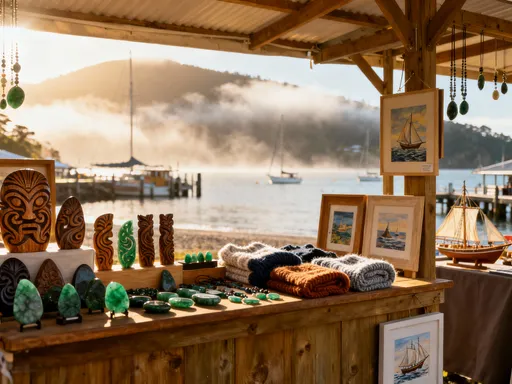
To experience the full richness of Picton’s artisan culture, know where to look. Start at the waterfront craft market, typically held on weekends along the scenic harbor promenade. Here, under colorful awnings and beneath the shade of mature pohutukawa trees, local makers display their wares with pride. The atmosphere is warm and unhurried, with the sound of seagulls overhead and the occasional ferry horn echoing across the bay. Vendors are usually the creators themselves—woodcarvers, knitters, painters, jewelers—who welcome questions and enjoy sharing the stories behind their work.
Many visitors are struck by how accessible the artists are. You might watch a carver shaping a pounamu pendant with steady hands, or see a weaver demonstrating traditional techniques with flax fiber. Some stalls offer live demonstrations, turning shopping into a participatory experience. Children often gather around, fascinated by the tools and textures. These interactions add depth to the purchase—you’re not just buying an object, but gaining insight into the skill, time, and care that went into making it.
Along High Street, Picton’s main thoroughfare, a string of small boutique stores and gift shops offer year-round access to local crafts. These shops often curate their selections carefully, featuring only items made within the Marlborough region or across New Zealand. Look for signage indicating “locally made,” “handcrafted,” or “supports local artists.” Some stores specialize in particular mediums—such as a gallery dedicated to nautical-themed prints and photography, or a boutique that stocks only natural skincare products made with native botanicals like manuka, kawakawa, and harakeke (New Zealand flax).
Artisan co-ops are another excellent source. Run collectively by local craftspeople, these spaces allow multiple makers to share overhead costs while maintaining visibility in the town center. They often rotate displays seasonally, so repeat visitors may discover new artists each time. During festivals or special events, pop-up markets appear in community halls or parks, sometimes featuring live music and food trucks, creating a festive yet authentic shopping experience. While specific names and dates vary, these seasonal gatherings are worth seeking out for their vibrant energy and exclusive offerings.
Must-Buy Items: A Curated List of Local Favorites
Certain items have become emblematic of Picton’s creative spirit, beloved by locals and repeat visitors alike. At the top of many lists is the hand-carved pounamu pendant, especially those featuring the koru motif. These pendants are more than jewelry—they are talismans of personal significance. Many travelers choose one as a symbol of a new chapter, a memento of healing, or a gift to mark a milestone. When purchasing pounamu, look for craftsmanship that reflects respect for the material: smooth finishes, balanced proportions, and clear origins. Reputable sellers will happily share where the stone was sourced and who carved it.
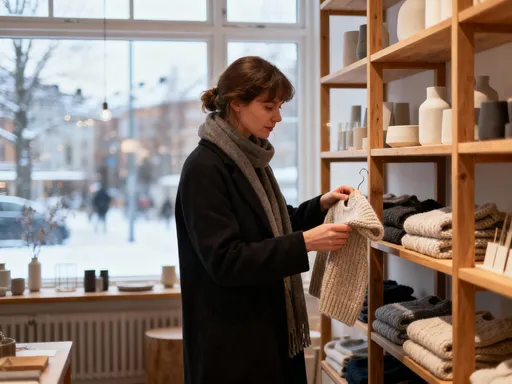
Equally popular are woolen beanies and scarves in muted, nature-inspired hues—deep forest green, stormy grey, ocean blue, and earthy brown. Knitted by hand or on small local looms, these items are both functional and stylish, perfect for cool coastal evenings or mountain drives. They also make thoughtful, practical gifts. Unlike synthetic alternatives, merino and lambswool regulate temperature naturally, wick moisture, and resist odors, making them ideal for travel and outdoor adventures.
For those who appreciate art, nautical-themed prints are a standout choice. Local photographers and painters capture the ever-changing moods of the Marlborough Sounds—the mist rising off the water at dawn, the golden light of sunset on distant ridges, the intricate network of coves and inlets. These images bring the serenity of the coast into any home. Some artists use mixed media, incorporating actual sand, shell fragments, or pressed seaweed into their work, adding tactile dimension and authenticity.
Skincare enthusiasts will delight in locally made soaps, balms, and lotions crafted with native plants. Manuka oil, known for its soothing properties, is a common ingredient, as is kawakawa, a traditional Māori medicinal plant with anti-inflammatory benefits. These products are typically small-batch, free from harsh chemicals, and packaged in recyclable materials. Using them becomes a daily ritual of connection—to the land, to wellness, and to the care of the makers.
Finally, reusable goods featuring Marlborough landscapes have gained popularity, reflecting the town’s eco-minded values. Think tote bags printed with maps of the Sounds, stainless steel drink bottles with engraved regional motifs, or beeswax wraps dyed with natural pigments and stamped with native bird silhouettes. These items are not only beautiful but functional, encouraging sustainable habits long after the trip ends. Every use becomes a quiet reminder of Picton’s natural beauty and the importance of protecting it.
How to Shop Like a Local: Tips for a Rewarding Experience
To make the most of your souvenir hunting in Picton, a few simple strategies can enhance both the experience and the outcome. First, visit the waterfront market early in the day, especially on weekends. Vendors arrive with fresh stock, tables are fully stocked, and the light is soft and flattering—perfect for photographing your finds. As the afternoon progresses, popular items like pounamu pendants or limited-edition prints may sell out, so an early start increases your chances of securing something special.
Second, don’t hesitate to ask questions. Most artisans are eager to share the story behind their work—where they got their materials, what inspires their designs, how long a piece took to make. These conversations enrich your understanding and often lead to a deeper appreciation of the item. You might learn that a wooden bowl was carved from a tree that fell in a storm, or that a soap blend includes herbs grown in the maker’s garden. These details transform a simple purchase into a meaningful memory.
Third, carry cash, especially smaller bills. While many vendors now accept digital payments, some smaller stalls or pop-up booths may operate on a cash-only basis, particularly during seasonal events. Having cash on hand ensures you won’t miss out on a one-of-a-kind piece because of a card reader issue.
Fourth, look for the “Made in New Zealand” label or ask directly about the origin of the product. True local crafts are made here, not just sold here. Beware of items that mimic Māori designs but are mass-produced overseas. These not only lack authenticity but can also be culturally inappropriate if used without understanding.
Finally, approach cultural symbols with respect. The koru, the tiki, and other Māori motifs carry deep significance. While many artists welcome sharing these designs with visitors, it’s important to understand that they are not mere decorations. If you’re unsure about the meaning of a symbol, ask. Most creators are happy to explain its significance and may even offer guidance on how to wear or display it appropriately. This mindful approach honors the culture and ensures your souvenir remains a source of pride and connection.
Beyond the Purchase: The Joy of Meaningful Travel Mementos
In an age of fast travel and instant gratification, the act of choosing a thoughtful souvenir can be a radical form of slowing down. A well-chosen keepsake does more than fill a shelf—it preserves a feeling, a moment, a transformation. The pounamu pendant isn’t just a stone; it’s the memory of standing on the wharf, watching the ferry glide into the mist. The woolen beanie isn’t just warmth; it’s the sound of wind through the pines and the kindness of the woman who knitted it for her granddaughter before deciding to share her craft with the world.
When we buy locally made goods, we participate in sustainable tourism at its most personal level. Our dollars go directly to artists, families, and small businesses, not multinational corporations. We support livelihoods rooted in creativity and care, not exploitation or environmental harm. We help preserve cultural traditions that might otherwise fade in the face of global homogenization. And in return, we receive something far more valuable than a generic magnet or keychain—we receive a story, a connection, a thread linking us to a place and its people.
Moreover, these mementos often become conversation starters. A guest notices your pendant and asks about its spiral shape. You share the meaning of the koru, and in that moment, you become a storyteller, a bridge between cultures. The reusable tote bag with the Marlborough map sparks a discussion about eco-travel. The handmade soap becomes a gift that carries not just scent, but intention. In this way, the impact of your purchase extends far beyond the transaction itself.
Meaningful souvenirs also encourage mindful consumption. When you own something made with care, you’re less likely to discard it. You care for it, repair it, pass it on. It becomes part of your life, not clutter. This shift—from buying many cheap things to cherishing a few well-made ones—aligns with a growing global movement toward simplicity, sustainability, and authenticity.
Final Thoughts: Turn Your Stopover into a Story
Picton may be small, but its offerings are vast in meaning. What begins as a ferry transfer can become a moment of discovery, connection, and quiet inspiration. By choosing to explore its shops, markets, and artisan spaces, you transform a logistical necessity into a human experience. You meet makers, hear stories, and carry home more than objects—you carry home pieces of a place, its values, and its spirit.
The next time you pass through Picton, resist the urge to rush. Pause. Breathe in the sea air. Step into a gallery, chat with a vendor, hold a piece of pounamu in your hand. Let yourself be drawn into the quiet beauty of craftsmanship shaped by nature and culture. When you leave, you’ll take with you not just a bag of souvenirs, but a deeper understanding of what it means to travel with intention.
Because in the end, the best souvenirs aren’t the ones that cost the most or look the fanciest. They’re the ones that resonate—objects that, when you see them on your shelf or wear them around your neck, bring you back to a moment of stillness, wonder, and connection. Picton doesn’t shout its treasures; it whispers them. But if you listen closely, you’ll hear a story worth taking home.