Northern Lights & Local Finds: My Oslo Shopping Adventure
Stepping into Oslo’s crisp air, I didn’t expect shopping to be the highlight of my trip—but it absolutely was. Far from generic malls, this city blends design, nature, and culture into unforgettable retail experiences. From cozy knitwear to handcrafted jewelry, every purchase felt meaningful. Let me take you through the hidden boutiques, vibrant markets, and unique workshops that turned my casual stroll into a journey of discovery. In a world where travel often means rushing from landmark to landmark, Oslo invites you to slow down, look closely, and connect with the quiet elegance of everyday life. Here, shopping is not just a pastime—it’s a window into Norwegian values of simplicity, sustainability, and craftsmanship.
Why Oslo Surprises Every Shopper
Oslo defies the expectations many travelers have about urban shopping. It doesn’t rely on glitzy billboards or luxury brand dominance. Instead, the city offers a refreshingly human-scale retail landscape rooted in Nordic principles of minimalism, functionality, and environmental responsibility. What stands out most is how deeply local identity shapes the shopping experience. Unlike globalized shopping districts found in other capitals, Oslo’s stores reflect a deliberate choice to support homegrown talent, sustainable materials, and timeless design.
The philosophy here leans toward “less but better”—a mindset increasingly embraced by conscious consumers worldwide. Shoppers quickly notice that clothing, homewares, and accessories are not mass-produced for fleeting trends but crafted with intention. Natural fibers like wool, linen, and cotton dominate fashion displays, while wooden furniture and ceramic pieces emphasize organic textures and earthy tones. This aesthetic isn’t merely decorative; it’s an expression of Norway’s deep connection to nature and its commitment to long-term value over short-term novelty.
What makes Oslo especially appealing to discerning shoppers is the transparency behind each product. Many stores provide information about where items were made, who designed them, and what materials were used. Labels often highlight eco-certifications, ethical labor practices, and locally sourced components. This openness fosters trust and allows visitors to make informed choices that align with their personal values. For families and individuals seeking quality over quantity, Oslo becomes more than a destination—it becomes a source of inspiration for mindful living.
Moreover, the city’s emphasis on sustainability extends beyond products to store design and operations. Recycled wood floors, energy-efficient lighting, and minimal packaging are common features. Some shops even encourage customers to bring their own bags or containers, reinforcing a culture of care for the environment. These small but meaningful details contribute to a shopping atmosphere that feels both modern and deeply rooted in community ethics. In Oslo, every purchase carries a sense of purpose—a quiet reminder that style and responsibility can coexist beautifully.
A Walk Through Kvadraturen: Style Meets History
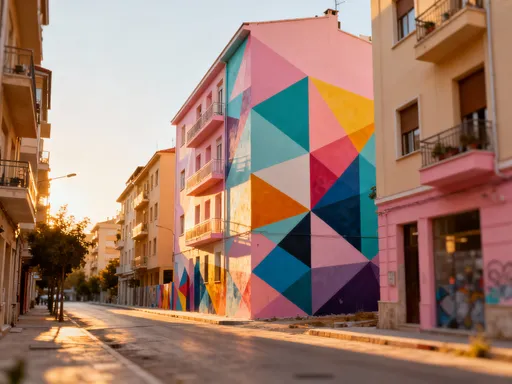
Kvadraturen, Oslo’s historic city center, is where past and present converge in the most elegant way. Laid out in the 17th century after a devastating fire, this grid-patterned neighborhood now pulses with creative energy. Cobblestone streets lined with pastel-colored buildings house a curated collection of independent boutiques, art galleries, and lifestyle shops. Walking through Kvadraturen feels like flipping through the pages of a well-edited design magazine—every corner reveals something thoughtfully chosen, beautifully presented, and deeply authentic.
One of the joys of exploring this district is discovering how seamlessly retail blends with daily life. A narrow alleyway might lead to a tiny concept store selling hand-poured candles and minimalist stationery, while a converted 19th-century bakery now hosts a modern knitwear brand. These spaces aren’t designed to overwhelm but to invite curiosity. Shop windows are understated yet captivating, often featuring seasonal displays inspired by Norwegian landscapes—birch branches in spring, dried flowers in autumn, or hand-carved wooden ornaments during the winter months.
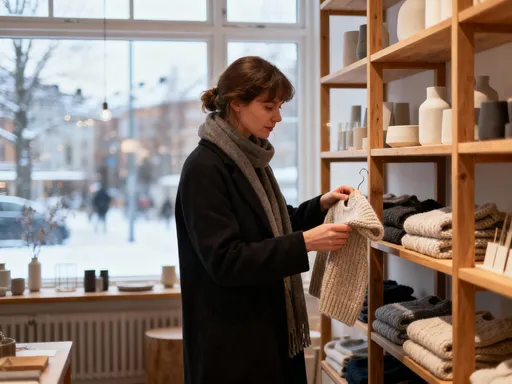
Fashion lovers will appreciate the abundance of small designers offering elevated basics—think structured wool coats, oversized scarves, and neutral-toned dresses that transition effortlessly from city walks to dinner by the fjord. Many boutiques stock limited runs or exclusive collaborations, ensuring that what you find here won’t be duplicated in every other capital. Independent bookshops add another layer of charm, with carefully selected titles on Scandinavian design, slow living, and Nordic folklore. Some even include cozy reading nooks or host author events, turning browsing into a full sensory experience.
Coffee culture plays a key role in Kvadraturen’s appeal. It’s common to see shoppers pausing at a corner café with a flat white and a rye bread sandwich before continuing their exploration. These coffee stops aren’t just breaks—they’re part of the rhythm of the day. Several stores integrate cafés directly into their spaces, creating hybrid environments where people linger, chat, and absorb the ambiance. This fusion of retail, food, and social life exemplifies Oslo’s approach to urban living: intentional, unhurried, and deeply connected to place.
Mathallen Food Hall: A Feast for the Senses
No visit to Oslo would be complete without stepping into Mathallen, the city’s premier indoor food market located just steps from the central train station. More than just a place to buy groceries, Mathallen is a celebration of Norwegian flavors and culinary craftsmanship. Opened in 2011 in a beautifully restored brick building, the hall brings together over 30 vendors offering everything from traditional dairy products to modern fusion cuisine. The air hums with conversation, sizzling grills, and the rich aroma of freshly baked bread.
For travelers, Mathallen offers a delicious introduction to Norway’s food culture. Start at a cheese counter where creamy brunost (brown cheese) sits beside aged goat varieties and fresh mountain cheeses made from local farms. Sample slices with dark rye bread and a dollop of cloudberry jam—an iconic combination that captures the essence of Nordic terroir. Nearby, smoked salmon and cured herring are displayed with precision, each variety labeled with its region of origin and preparation method. These aren’t just ingredients—they’re edible stories of coastal traditions and seasonal rhythms.
Sweet treats draw equal attention. Artisanal chocolatiers offer bars infused with sea buckthorn, cloudberries, or wild herbs, while bakeries showcase cardamom buns, almond tarts, and waffles served with whipped cream. Vegan and gluten-free options are widely available, reflecting Oslo’s inclusive approach to dietary needs. For those looking to bring a taste of Norway home, many stalls sell packaged goods—jams, spice blends, dried fish, and spice-rubbed reindeer meat—that make perfect gifts or souvenirs.
What sets Mathallen apart is its role as a communal space. Locals come here not just to shop but to meet, eat, and celebrate food as a shared experience. Benches and high-top tables encourage impromptu gatherings, and the central bar often hosts wine and aquavit tastings. During weekends, live music or cooking demonstrations add to the festive atmosphere. For visitors, this creates a rare opportunity to observe and participate in everyday Norwegian life. Shopping here transcends transaction—it becomes a joyful engagement with culture, community, and the pleasures of the table.
Nordic Design at Its Finest: From Furniture to Fashion
Oslo is a living showcase of Nordic design—a philosophy that prioritizes simplicity, functionality, and natural beauty. This design ethos isn’t confined to museums or galleries; it’s embedded in everyday objects, from a child’s wooden toy to a tailor-made coat. The city’s flagship stores and design hubs offer an immersive look at how Norwegians balance aesthetic refinement with practical needs, creating pieces that are both beautiful and built to last.
One of the best places to experience this is DesignTorget, a multi-brand retail space dedicated to Scandinavian craftsmanship. Here, you’ll find everything from hand-blown glass vases to ergonomic office chairs, all selected for their quality and design integrity. The store curates products that solve real-life problems—like insulated lunch boxes for schoolchildren or modular shelving systems for small apartments—while maintaining a clean, uncluttered look. Each item feels intentional, free from excess ornamentation, yet rich in detail upon closer inspection.
Fashion follows the same principles. Norwegian brands like Bergans, Norrøna, and Devold are known for producing durable outdoor wear using high-performance natural materials. But beyond technical apparel, Oslo’s fashion scene includes emerging labels focused on slow fashion—small-batch production, natural dyes, and timeless silhouettes. These garments are designed to be worn for years, repaired when needed, and passed down through generations. This approach stands in stark contrast to fast fashion cycles, offering a more sustainable and emotionally resonant way to dress.
Home goods reflect a similar commitment to longevity and comfort. Wool blankets, hand-thrown ceramics, and solid wood furniture dominate store displays, often arranged to evoke cozy domestic scenes. The concept of *kos*—a Norwegian term for warmth, comfort, and togetherness—shapes interior design choices. Lighting is soft, colors are muted, and textures are layered to create inviting spaces that shelter from the long winter months. By embracing these elements, shoppers gain insight into how Norwegians cultivate well-being through their surroundings.
The Magic of Weekend Markets
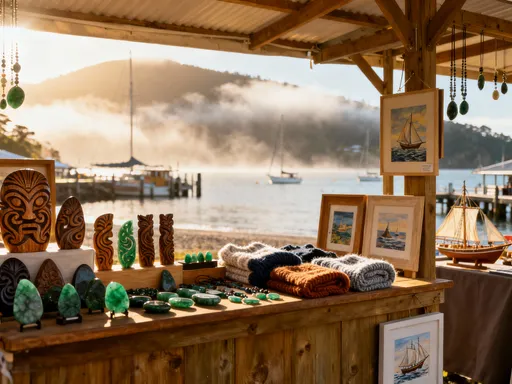
Every Saturday, Oslo transforms as weekend markets spring to life across the city. These vibrant gatherings are more than just places to buy goods—they’re lively expressions of local life. At Tollboden Market by the waterfront and Bogstadveien Market in the west end, farmers, artisans, and food producers come together to share their work directly with the public. The atmosphere is friendly, unhurried, and full of discovery.
Tollboden, located near the opera house, specializes in fresh seafood, organic vegetables, and prepared foods. Fishermen display glistening cod, mackerel, and shrimp pulled from nearby fjords just hours earlier. Vegetable stands overflow with root crops, leafy greens, and wild mushrooms foraged from surrounding forests. Artisans sell handmade soaps, beeswax candles, and woolen mittens, often chatting with customers about their craft. Children run between stalls with warm waffles in hand, while couples sip coffee from reusable cups, soaking in the maritime views.
Bogstadveien Market, nestled in a residential neighborhood, has a more neighborhood feel. It draws a mix of locals and visitors looking for unique finds. Here, you might stumble upon hand-knit baby clothes, vintage glassware, or a jar of homemade elderflower syrup. Many vendors accept card payments, but cash is still welcomed, adding to the informal charm. These markets operate on a seasonal schedule, typically running from May through October, aligning with Norway’s growing season and outdoor lifestyle.
What makes these markets so special is the direct connection they offer to the people behind the products. Unlike supermarkets or online shopping, there’s a human story behind every item. A baker explains how she uses sourdough starter passed down from her grandmother. A woodworker describes carving spoons from reclaimed driftwood. These interactions deepen appreciation and make each purchase feel personal. For travelers, weekend markets provide an authentic glimpse into Oslo’s community spirit and seasonal rhythms—a rare and valuable experience in today’s fast-paced world.
Behind the Scenes: Craft Workshops and Meet-the-Maker Events
In Oslo, shopping doesn’t have to end at the cash register. Increasingly, visitors are invited to go deeper—to see how things are made, meet the makers, and even try their hand at crafting. Across the city, studios and cultural centers offer hands-on workshops that turn passive consumers into active participants. These experiences not only enrich travel memories but also foster a deeper respect for the skill and time involved in handmade work.
One popular option is glassblowing demonstrations at institutions like Holmenkollen Glassverk or smaller urban studios. Participants watch artisans shape molten glass into vases, ornaments, or drinking glasses using centuries-old techniques. Some sessions allow guests to try blowing their own piece under expert guidance—an exhilarating and memorable activity. The resulting creations, though imperfect, carry a personal imprint and become cherished keepsakes.
Textile arts are equally celebrated. Knitting circles and weaving workshops are held in community centers, craft shops, and cultural houses. These events welcome all skill levels and often focus on traditional Norwegian patterns—like the iconic eight-petaled rose or geometric snowflake motifs. Learning to knit a simple hat or mittens connects participants to a heritage of practical artistry, once essential for surviving harsh winters. Many attendees leave not just with a new skill but with a renewed appreciation for the warmth and care woven into every stitch.
Pottery classes offer another tactile experience. Working with clay on a wheel or hand-building bowls and mugs allows people to slow down and focus on the present moment. The process is meditative, and the results—once fired and glazed—are deeply satisfying. Several studios offer “paint-your-own” sessions for families, making it accessible and fun for children. These workshops aren’t just about making objects; they’re about mindfulness, connection, and creativity—values that resonate strongly with Oslo’s overall ethos.
Smart Shopping Tips for a Smooth Experience
To make the most of your shopping adventure in Oslo, a few practical tips can go a long way. First, plan your visits around opening hours. Most stores are open Monday to Friday from 10 a.m. to 6 p.m., with shorter hours on Saturdays and closed on Sundays. Larger shopping centers and tourist-oriented shops may stay open later, but smaller boutiques often follow traditional schedules. Arriving early ensures better selection and a more relaxed browsing experience.
Public transportation in Oslo is efficient, eco-friendly, and easy to navigate. The city center is highly walkable, but trams, buses, and the metro (T-bane) connect all major shopping districts. Purchase a rechargeable travel card or use contactless payment directly on board. Mathallen and Kvadraturen are both within a 10-minute walk from Oslo Central Station, making them convenient stops even for day-trippers.
International visitors should know that Norway offers a VAT refund on eligible purchases made at participating stores. To qualify, spend at least 315 NOK (about $30) in a single receipt and request a tax-free form at checkout. Keep your passport handy, as it may be required. Upon departure, present your receipts and unused items at the refund counter in the airport. The process is straightforward and can save you up to 25% on certain goods—especially useful when investing in high-quality Norwegian woolens or design pieces.
When it comes to payment, credit and debit cards are widely accepted, even for small purchases. Cash is rarely used, so carrying large bills isn’t necessary. ATMs are readily available, but notify your bank before traveling to avoid transaction blocks. Lastly, pack a reusable shopping bag—many stores don’t provide plastic ones, and Norwegians take pride in reducing waste. Wearing comfortable shoes is also wise, as exploring Oslo’s cobblestone streets and multi-level stores involves plenty of walking.
More Than Retail—A Cultural Connection
Shopping in Oslo is not about accumulating things—it’s about making meaningful connections. Each item discovered, whether a hand-thrown mug or a jar of wild berry jam, carries a story of place, people, and purpose. These objects are not just souvenirs; they are tangible reminders of a culture that values slowness, care, and authenticity. By choosing to explore local markets, independent boutiques, and craft workshops, travelers engage with Norway in a profound and personal way.
This kind of retail experience fosters a deeper understanding of Norwegian life—one that goes beyond postcard views of fjords and northern lights. It reveals how design, food, and craftsmanship are woven into the fabric of daily existence. It shows how sustainability isn’t a trend but a way of living. And it demonstrates how beauty can be found in simplicity, function, and honest materials.
For 30- to 55-year-old women, many of whom juggle family, career, and personal well-being, Oslo’s shopping culture offers a refreshing perspective. It encourages mindfulness, intentionality, and a return to what truly matters. Bringing home a hand-knit sweater or a locally made candle isn’t just about the object itself—it’s about carrying forward a sense of calm, quality, and connection.
As travel continues to evolve, destinations like Oslo remind us that the best experiences aren’t always the most extravagant. Sometimes, the most memorable moments happen in quiet shops, bustling markets, or cozy workshops—places where time slows down and human creativity shines. In choosing to shop thoughtfully, travelers don’t just collect items. They collect meaning, memory, and a renewed sense of wonder at the quiet magic of everyday life.