You Won’t Believe These Hidden Corners of Key West’s Urban Soul
Forget everything you thought you knew about Key West. Beyond the crowded Duval Street and sunset celebrations lies a quieter, more intimate side of the island—where pastel-colored cottages whisper history, narrow lanes open into secret courtyards, and every corner feels like a discovery. I wandered without a map and found a city that breathes through its spaces, not just its sights. This is urban charm with soul, rhythm, and surprise around every bend.
The Pulse of a Tiny Island City
Key West is unlike any other American city in both scale and spirit. Stretching just four miles long and averaging less than two miles wide, it is a place where geography dictates rhythm. Its urban fabric is woven tightly by necessity—every square foot counts, yet the island manages to feel spacious, airy, and unhurried. The grid layout, established in the early 19th century, follows a simple east-west and north-south pattern that makes navigation intuitive, even for first-time visitors. What’s remarkable is how this compactness fosters connection—between people, places, and the surrounding sea.
The island’s small size means most destinations are within a 20-minute walk or a short bike ride. This walkability is central to Key West’s identity. Unlike sprawling coastal cities where driving dominates, here, movement is human-scaled. Residents and mindful travelers alike rely on footpaths, bicycles, and electric scooters to glide through the neighborhoods. Even the city’s busiest zones maintain a relaxed tempo. Cars exist, but they yield to pedestrians, especially in the historic core where narrow streets were never designed for heavy traffic. This deliberate pace encourages lingering, observation, and spontaneous encounters—hallmarks of true urban intimacy.
Despite its density in certain areas, Key West never feels oppressive. Open skies, sea breezes, and abundant greenery create a sense of release. Public plazas like the Mallory Square waterfront and the quieter Bayview Park punctuate the built environment with breathing room. These spaces serve as communal lungs, offering relief from the tropical heat and the visual saturation of urban life. The balance between built form and open space is not accidental; it is the result of decades of planning that respects the island’s natural limits. With rising sea levels and increasing visitor numbers, this equilibrium is more important than ever. The city’s ability to remain livable, even under pressure, speaks to a deep understanding of island-scale urbanism.
Beyond Duval: Uncovering Hidden Streets and Courtyards
Just steps away from the bustling energy of Duval Street lies a different world—one defined by silence, shade, and subtle beauty. Wander west into Bahama Village, and the sounds of conga drums and bar music fade into the rustle of palm fronds and the distant chime of a porch swing. This historically Black and Bahamian neighborhood, centered around Division Street, is one of Key West’s best-kept secrets. Its vibrant culture is expressed not in loud signage or tourist traps, but in hand-painted murals, quilt-like yard art, and the scent of curry goat drifting from open kitchen windows.
The architecture here tells a story of resilience and adaptation. Many homes were built by Bahamian immigrants in the 19th century using salvaged wood and coral stone. Their modest scale and tight clustering reflect both economic necessity and a communal way of life. Yet within this density, there is generosity of spirit. Courtyards hidden behind latticed gates burst with hibiscus, bougainvillea, and potted citrus trees. Some are shared among neighbors, functioning as semi-private commons where children play and elders gather in the late afternoon. These green pockets are more than decorative—they are essential to thermal comfort in a hot, humid climate, offering shade and natural cooling.
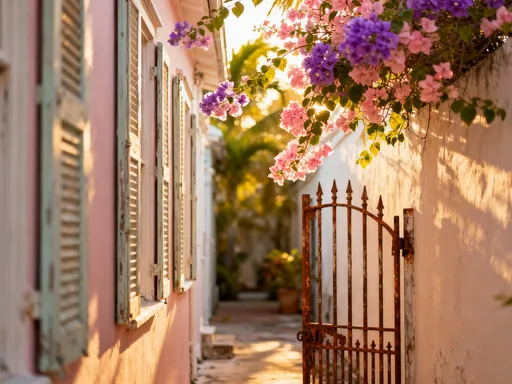
Further north, off Eaton Street and along Angela Lane, similar discoveries await. These residential corridors are lined with pastel-painted cottages, many dating back to the 1800s. Iron gates, often ornately scrolled, guard pathways that lead to hidden gardens or small patios. It’s common to see a rocking chair placed just inside a gate, suggesting a space meant for quiet reflection or casual conversation with passing neighbors. Unlike the performative front yards of suburban America, these are intimate, inward-facing spaces—designed for privacy, yet open in spirit. Walking these streets feels like being let in on a quiet secret: that urban life here is not about grand gestures, but about the small, daily rituals of home and community.
Architecture as Storyteller: Houses That Shape the City
The homes of Key West are not merely shelters—they are archives of climate, culture, and ingenuity. The iconic Conch-style house, with its raised foundation, wide wraparound porch, and steeply pitched roof, is the island’s architectural signature. These structures emerged in the 19th century as a response to both environmental demands and available materials. Elevated floors protect against flooding and allow air to circulate beneath, cooling the interior. Tall ceilings and transom windows promote cross-ventilation, reducing reliance on mechanical cooling—a necessity in an era before air conditioning.
Color plays a vital role in this architectural language. Homes are painted in soft pinks, mint greens, sky blues, and buttery yellows—hues that reflect sunlight and contribute to the city’s dreamlike atmosphere. These palettes are not arbitrary; many are preserved through historic district guidelines that ensure visual harmony across neighborhoods. At the same time, homeowners are encouraged to express individuality within these constraints. A bright red door, a hand-carved balustrade, or a mosaic-tiled planter can transform a traditional facade into a personal statement. This balance between regulation and creativity is what keeps Key West visually rich without descending into chaos.
The adaptation of historic homes for modern use is another testament to the city’s resourcefulness. Many Conch houses have been converted into small inns, art studios, or home offices, preserving their exteriors while updating interiors for contemporary living. Some feature solar panels discreetly mounted on back roofs, or rainwater collection systems integrated into downspouts—subtle nods to sustainability. The preservation of these buildings is not about freezing the past, but about allowing history to evolve. In doing so, Key West maintains a sense of continuity that few tourist destinations can match. The city’s soul is embedded in its walls, porches, and shuttered windows—each a chapter in an ongoing story of resilience and reinvention.
Green & Blue Spaces: Parks, Gardens, and Waterfronts Off the Radar
While much of Key West’s fame centers on its beaches and bars, its true oases lie in the quieter corners of green and blue space that few tourists ever reach. The Key West Tropical Forest & Botanical Garden, tucked near the airport on Stock Island, is one such sanctuary. Spanning 15 acres, it is the only frost-free botanical garden in the continental United States. Here, native hammock forests thrive with gumbo-limbo trees, wild coffee plants, and rare Key West quilts. Boardwalks wind through wetlands where herons stalk prey and tree snails cling to bromeliads. It is a place of stillness and biodiversity—a reminder that urban life and ecological health can coexist.
Further into the residential west end, Simonton Beach offers a different kind of retreat. Unlike the packed sands of Smathers Beach, this narrow strip along the Gulf of Mexico is favored by locals for early morning walks, paddleboarding, and quiet sunbathing. There are no beach chairs for rent, no tiki bars—just soft white sand, gentle waves, and the occasional sighting of a dolphin offshore. Because it lacks the infrastructure of a commercial beach, it remains unspoiled and intimate. Families come here to fly kites, couples stroll hand-in-hand at low tide, and dog owners enjoy leash-free hours in the early evening. Its understated charm is precisely what makes it special.
Along the southern shoreline, the mangrove trails at Key West Bight provide another overlooked escape. These intertidal forests serve as nurseries for fish, buffers against storm surge, and habitats for countless species. Kayakers and stand-up paddleboarders can glide through narrow channels where red, black, and white mangroves form a dense canopy overhead. The water is calm, the air thick with the scent of salt and damp earth. It is easy to forget that downtown is just minutes away. These green-blue corridors are not just scenic—they are functional, protecting the city from erosion and flooding while offering residents a direct connection to the natural rhythms of the coast. Their preservation is a quiet act of urban foresight.
How Locals Use Urban Space Differently
To understand Key West’s urban soul, one must observe how residents inhabit their city—not as performers for tourists, but as stewards of a shared way of life. In the early mornings, corner cafes like Blue Heaven and First Flight Island Restaurant buzz with regulars who arrive by bicycle, order the same breakfast, and linger over newspapers. These spots are more than eateries—they are social hubs where news is exchanged, plans are made, and friendships are nurtured over strong coffee and key lime pie.
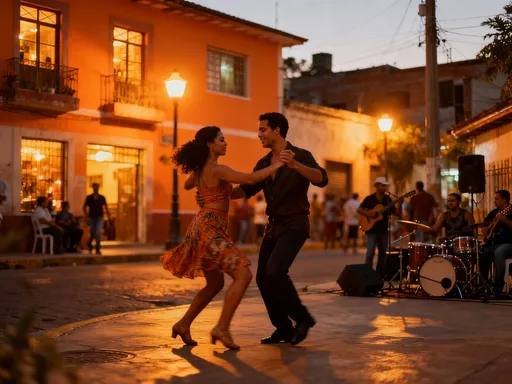
Outdoor living defines the rhythm of daily life. Backyards are often equipped with open-air kitchens, complete with grills, smokers, and tiki torches. Weekend evenings frequently feature impromptu music sessions—someone pulls out a guitar, a conga drum appears, and soon a small crowd gathers on the porch or lawn. These gatherings are not advertised or ticketed; they are organic expressions of community. Music spills into the street, drawing neighbors from adjacent homes, yet never overwhelming the quiet character of the neighborhood.
The porch, in particular, functions as a semi-public stage. Elevated slightly above the sidewalk, it offers privacy while maintaining connection to the street. Residents sit here in the late afternoon, waving to passersby, calling out greetings to friends, or simply watching the world go by. In a city with limited indoor space due to climate and construction costs, the porch becomes an extension of the living room—a place for relaxation, conversation, and observation. This blurring of private and public realms fosters a sense of collective ownership over urban space. It is not unusual to see a stranger offered a cold drink while walking by, or a lost tourist handed directions with a smile. These small gestures are not tourist performances; they are the quiet fabric of local life.
Smart Navigation: Moving Through the City Without the Hassle
One of the greatest gifts a visitor can give themselves—and the city—is the decision to travel slowly and thoughtfully. Key West was not built for cars, and attempting to navigate it like a mainland city leads to frustration. Parking is limited, streets are narrow, and traffic congestion peaks during sunset hours. The wisest choice is to leave the rental car at the hotel and embrace alternative modes of transport. Bicycles are ideal—lightweight, eco-friendly, and perfectly suited to the island’s flat terrain. Bike rental shops are plentiful, and dedicated lanes, though not always continuous, make cycling safe and enjoyable.
Walking is equally rewarding, especially during the golden hours—just after sunrise or before sunset—when the light is soft, the air is cooler, and the streets are least crowded. This is the best time to explore residential blocks, photograph pastel homes, and stumble upon hidden courtyards. Many of the most memorable moments happen when you’re not rushing. A trolley system also operates on a loop through major attractions, offering a convenient option for those with limited mobility or stamina. However, its fixed route means it can’t access the quieter, more personal corners of the city.
Mindful movement is essential. Drivers must yield to pedestrians, especially in the Old Town area where sidewalks are narrow and crossings frequent. Cyclists should signal turns, avoid sidewalks where prohibited, and lock bikes securely. Scooter riders—increasingly common—must respect speed limits and avoid reckless weaving. The island’s charm depends on shared respect for space. When everyone moves with awareness, the city flows more smoothly. Travelers who adopt this pace often find their experience deepens. They notice more—the pattern of light through a palm frond, the sound of a distant piano, the smell of jasmine on the breeze. These sensory details are the true markers of a meaningful visit.
Preserving Character in a Tourist-Driven Economy
Key West’s popularity brings both opportunity and challenge. With over two million visitors annually, the pressure to commercialize every available space is immense. Yet, the city has managed to retain much of its architectural and cultural integrity through strong zoning laws, historic preservation efforts, and community advocacy. The Old Town Historic District, one of the largest in the United States, is protected by strict guidelines that govern building height, color, signage, and renovation practices. These rules ensure that new construction complements rather than overwhelms the historic fabric.
Local organizations, such as the Key West Historic Preservation Board and the Florida Keys Land Trust, play a crucial role in safeguarding the island’s character. They review development proposals, advocate for green space protection, and educate property owners about sustainable practices. Grassroots initiatives, like neighborhood clean-up days and heritage tours led by longtime residents, foster a sense of stewardship among both locals and visitors. These efforts are not about resisting change, but about guiding it with care.
Sustainable tourism is the key to the island’s future. Travelers can contribute by supporting locally owned businesses, respecting quiet zones, and avoiding overcrowded attractions during peak hours. Choosing to stay in a small guesthouse rather than a large hotel, eating at family-run restaurants, and exploring off-the-beaten-path sites all help distribute economic benefits more evenly. Most importantly, visitors should approach the island with humility—recognizing that they are guests in a living community, not just consumers of a vacation product. When tourism aligns with local values, it becomes a force for preservation rather than erosion.
Key West’s magic isn’t just in its postcard views—it lives in the way space is used, shared, and cherished. By stepping off the beaten path and tuning into its urban heartbeat, travelers gain more than sights; they feel a way of island life shaped by history, climate, and community. The true journey? Learning to move through the city like someone who belongs.