Tokyo Through My Eyes: A Wanderer’s Tale of Culture and Connection
Ever walked through a city that feels both futuristic and ancient at the same time? Tokyo isn’t just neon lights and bullet trains—it’s quiet temples, wooden tea houses, and alleyways humming with tradition. I roamed without a map, letting curiosity lead, and stumbled upon moments that textbooks can’t teach. This is more than sightseeing—it’s cultural immersion at its purest. In a world where travel often means ticking off landmarks, Tokyo invites you to slow down, listen, and feel. It’s a city where every corner holds a quiet story, where modern life flows around centuries-old rituals like water around stone. This journey is not about where I went, but how I learned to see.
The Rhythm of Tokyo: Where Tradition Meets Tomorrow
Tokyo moves to a rhythm unlike any other—a seamless blend of the ultramodern and the deeply traditional. One moment, you're standing in Shibuya, surrounded by towering digital billboards that pulse with color and sound, crowds flowing like a human river through one of the busiest intersections in the world. The next, you step into Asakusa and find yourself before the vermilion gate of Senso-ji, Tokyo’s oldest temple, where incense curls into the air and the low murmur of prayer replaces the city’s roar. This duality isn’t a contradiction; it’s the essence of Tokyo’s identity. The city doesn’t choose between past and future—it embraces both with quiet confidence.
This harmony is visible in the architecture, the daily routines, and even the way people move through space. In Shinjuku, glass skyscrapers rise above centuries-old shrines tucked into alleyways, their torii gates standing like silent sentinels of history. The Meiji Shrine, nestled within a dense forest in the heart of Shibuya, offers a sanctuary where the only sounds are birdsong and the rustle of leaves—just a ten-minute walk from one of the world’s busiest train stations. The contrast is not jarring; it’s comforting. It reminds visitors that progress and preservation can coexist, not in conflict, but in balance.
Sensory details amplify this duality. The chime of a temple bell echoes just as a high-speed train glides into the station. Cherry blossoms drift past glowing advertisements during sakura season, their delicate pink petals caught in the wind of passing commuters. Even the food reflects this blend—robotic ramen vending machines serve steaming bowls of a dish with roots stretching back hundreds of years. Tokyo doesn’t erase its past to make room for the future; it layers them, one atop the other, creating a rich tapestry of time and tradition.
Wandering Without a Map: The Art of Getting Lost
One of the most transformative lessons Tokyo taught me was the value of aimless wandering. In a city so vast and intricate, it’s easy to feel overwhelmed by schedules, subway maps, and must-see lists. But the real magic often lies in letting go. I learned to embrace *shikata ga nai*—a Japanese phrase that translates to “it cannot be helped,” a philosophy of acceptance that allows space for spontaneity. Instead of following a rigid itinerary, I began to walk without direction, trusting that the city would guide me where I needed to go.
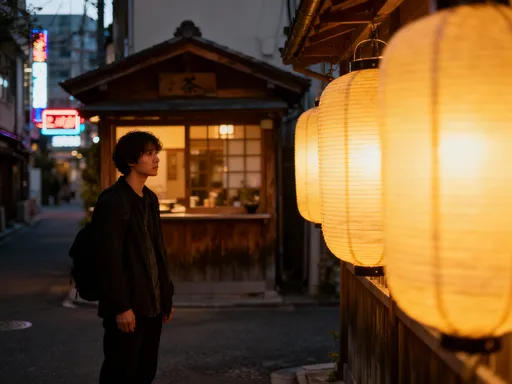
One such afternoon led me deep into Yanaka, a quiet neighborhood that feels like a village frozen in time. Cobblestone paths wound between low wooden houses, laundry lines strung between windows, and the scent of grilled fish drifting from open kitchen doors. I turned down a narrow lane I hadn’t planned to take and found myself in front of a small tea house, its sliding door slightly ajar. An elderly woman bowed and gestured for me to enter. Though I didn’t speak much Japanese, she welcomed me into a private tea ceremony, pouring matcha with deliberate grace. The ritual was simple, intimate, and profoundly moving—something no guidebook could have predicted.
This experience taught me that some of the most authentic moments in travel come not from planning, but from presence. When you allow yourself to get lost, you open the door to serendipity. You stop being a tourist and become a participant. Tokyo, with its labyrinthine streets and hidden courtyards, rewards the curious. The city doesn’t reveal itself all at once; it unfolds slowly, like the petals of a flower, to those who are willing to wander without expectation.
Shrines, Seasons, and Silent Moments
Tokyo’s shrines are more than tourist attractions—they are living spaces where time, nature, and spirituality intersect. Visiting the Meiji Shrine during early morning hours, I witnessed how locals begin their days not with coffee or news, but with quiet reflection. Couples walked hand in hand beneath towering cryptomeria trees, families paused to clap at small roadside jinja, and elderly men offered silent prayers before wooden offering boxes. These rituals are not performances; they are threads in the fabric of daily life.
Seasonal traditions deepen this connection. In January, I joined the annual *hatsumode*, the first shrine visit of the new year, when millions of Japanese people pray for health, happiness, and prosperity. The air was crisp, the paths lined with paper lanterns, and the energy was both festive and reverent. Later, during the summer, I observed *hatsumōde* prayers for protection from heat and illness, a lesser-known but equally meaningful practice. These rituals reflect Japan’s deep attunement to the cycles of nature and the passage of time.
At smaller shrines, I learned about *ema*—wooden plaques where visitors write wishes and hang them for the gods to read. I watched children carefully inscribe hopes for good grades, and elderly couples pray for continued health. I also drew an *omikuji*, a fortune slip, from a wooden box—mine was *kichi*, meaning “good luck.” Even as a visitor, I felt invited to participate, not as an outsider, but as someone welcomed into a shared moment of hope. These small acts are not about grand gestures; they are about mindfulness, intention, and the quiet dignity of tradition.
The Soul of the Side Streets: Local Life Beyond Tourist Zones
While Shibuya and Harajuku dazzle with their energy and style, some of Tokyo’s most enduring charm lies in its quieter neighborhoods—places where life unfolds at a human pace. Kichijoji, nestled near Inokashira Park, feels like a village within the city. Here, narrow shopping streets are lined with family-run shops: a tofu maker pressing fresh blocks in the morning light, an old man repairing paper lanterns with steady hands, a grandmother selling handmade mochi from a wooden cart. These are not staged for tourists; they are the real rhythm of daily life.
In Kagurazaka, I stumbled upon a street festival that wasn’t listed in any travel guide. Drums echoed through the alleys, children danced in traditional yutaka, and vendors sold *taiyaki* and sweet potato tea. Locals smiled as I watched, and one woman offered me a small cup of amazake, a sweet fermented rice drink. There was no expectation of payment, only the quiet joy of sharing. These spontaneous encounters reminded me that culture isn’t found only in museums or temples—it lives in the way people greet each other, the care they take in their work, and the pride they have in their communities.
Small businesses are the guardians of this continuity. A 100-year-old soy sauce shop in Yanaka still uses the same recipe passed down through generations. A paper umbrella maker in Asakusa painstakingly layers washi paper by hand. These artisans aren’t preserving the past out of nostalgia; they are keeping traditions alive because they matter. For travelers, visiting these places isn’t just shopping—it’s witnessing resilience, dedication, and the quiet pride of craftsmanship. It’s in these side streets that Tokyo feels most human, most real.
Food as Culture: More Than Just Sushi
To understand Tokyo, you must eat like a local—not in Michelin-starred restaurants, but in standing ramen bars, neighborhood *konbini*, and dimly lit *izakaya* where salarymen unwind after work. Food in Tokyo is not just sustenance; it’s an expression of values—seasonality, precision, and respect for ingredients. I began my days with a simple breakfast from a convenience store: onigiri wrapped in seaweed, a soft-boiled egg, and a warm can of coffee. What might seem ordinary elsewhere is elevated here by freshness and care.
In back-alley grills, I discovered Hiroshima-style okonomiyaki—layers of cabbage, noodles, and egg cooked on a hot plate and topped with savory sauce and bonito flakes that dance in the steam. The chef, wiping his hands on a stained apron, explained the dish with quiet pride. In Shinjuku, I stood at a tiny counter and slurped rich tonkotsu ramen, the broth simmered for over 12 hours. No seats, no frills—just perfect flavor, served with a nod.
Even the way people eat reflects cultural values. Conversations are hushed in public, not out of coldness, but out of consideration. Bento boxes are arranged with artistic care, not for show, but as a daily practice of mindfulness. At a local market, I watched a fishmonger wrap a single fillet in paper, tie it with string, and bow slightly as he handed it over. These small rituals speak volumes. Food in Tokyo is not rushed; it is honored. To eat here is to participate in a culture that sees nourishment as both art and duty.
Etiquette in Motion: Understanding Unspoken Rules
One of the first things I noticed in Tokyo was the silence on trains. No loud phone calls, no music leaking from headphones—just a quiet respect for shared space. At first, I found it unnerving, but soon I came to appreciate it as a form of collective harmony, or *wa*. These unspoken rules aren’t about restriction; they’re about consideration. They create a city that functions smoothly, not because of enforcement, but because of mutual respect.
Shoe removal is another common practice, observed in homes, temples, and even some restaurants. Stepping out of your shoes isn’t just about cleanliness; it’s a symbolic act of transition—leaving the outside world behind and entering a space of care and calm. In an onsen, I learned the meticulous steps of bathing: washing thoroughly before entering the hot spring, folding towels neatly, and speaking in low tones. These customs aren’t burdens; they are invitations to slow down and be present.
For travelers, observing these norms isn’t about perfection—it’s about effort. Bowing slightly when receiving something, waiting for others to exit the train before entering, avoiding eating while walking—these small acts show respect. And Tokyo notices. I found that when I made the effort, people responded with warmth. A shopkeeper once handed me a sample of matcha mochi with a smile, saying, “Ooku goshuugou,” meaning “Welcome.” Etiquette here isn’t a wall; it’s a bridge.
Carrying Tokyo Home: How Travel Changes You
Long after I returned home, Tokyo stayed with me—not just in photos or souvenirs, but in the way I moved through my days. I found myself pausing more, listening more, appreciating the quiet moments between tasks. I began to notice the care in small things: how a cup of tea is poured, how a room is arranged, how silence can be full rather than empty. Tokyo taught me that beauty isn’t always loud; sometimes, it whispers.
The city reshaped my understanding of travel. I no longer measure a trip by how many places I’ve seen, but by how deeply I’ve felt. I used to rush from shrine to subway to restaurant, ticking off boxes. Now, I seek stillness. I sit in a park and watch the light change. I linger in a market, not to buy, but to observe. I’ve learned that connection doesn’t come from capturing moments with a camera, but from being in them with my whole self.
And I carry with me the lesson of *shikata ga nai*—not as resignation, but as release. Some things are beyond control, and that’s okay. Sometimes, the best moments come when you let go. Tokyo didn’t just show me its streets and shrines; it showed me a different way of being. It reminded me that culture isn’t something you consume—it’s something you absorb, like sunlight through leaves.
Why Culture Is the True Destination
In the end, Tokyo is not a list of places to visit, but a feeling to carry. Its true destination is not a landmark, but a shift in perspective. It’s in the way a temple bell echoes at dawn, the taste of warm ramen on a cold night, the quiet smile of a stranger who sees you trying. These moments don’t fit neatly into travel blogs or photo albums, but they stay with you forever.
The city teaches that depth matters more than distance. You don’t need to see everything to understand something. You just need to be present. To move slowly. To listen. To let go of the map and trust the path. Tokyo’s heart beats strongest in the spaces between—the quiet alley, the unplanned detour, the shared silence over tea.
So when you go, don’t just plan. Don’t just photograph. Wander with openness. Let the city speak to you in its own language—through steam rising from a noodle bowl, through the rustle of a kimono in the wind, through the gentle chime of a wind bell in a temple garden. Because in Tokyo, as in life, the most meaningful journeys are not the ones that take you farthest, but the ones that bring you closest—to a place, to a moment, to yourself.