This Is Why Palau’s Rock Islands Will Blow Up Your Feed
You know that feeling when nature just wows you? That’s Koror, Palau—where emerald towers rise from turquoise water like something out of a dream. I’m talking surreal rock formations, hidden lagoons, and light that makes every photo look professionally shot. No filters needed. If you’re chasing spots that are as Instagram-worthy as they are breathtaking, this place is pure gold. Trust me, your feed will thank you. For women in their thirties to fifties who seek both beauty and meaning in their travels, Palau offers more than just stunning visuals—it delivers peace, clarity, and a rare connection with the natural world. This isn’t just a tropical getaway; it’s a visual pilgrimage.
First Glimpse: Arrival in Koror and the Jaw-Dropping First View
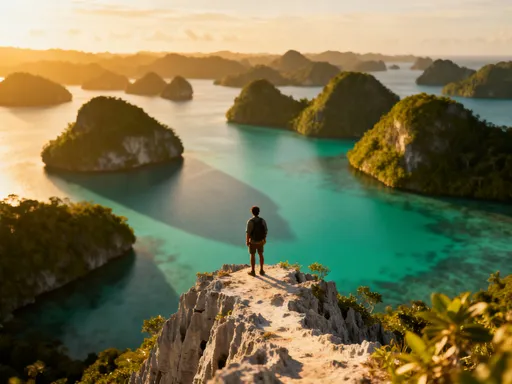
The moment begins even before your feet touch the ground. As the plane descends toward Roman Tmetuchl International Airport, the Rock Islands come into view—a scattered archipelago of jungle-covered limestone domes rising abruptly from the Pacific. Seen from above, the contrast is staggering: deep sapphire ocean against milky aquamarine channels, with hundreds of small islands forming a mosaic across the sea. Each island looks like it was placed with intention, a natural sculpture crafted by time and tide. For first-time visitors, the sight triggers a deep sense of awe—an emotional reset that begins long before luggage is claimed.
What sets Palau apart from other island destinations is the sheer density and uniformity of its formations. Unlike the broad atolls of the Marshall Islands or the volcanic peaks of Hawaii, Palau’s Rock Islands are compact, densely packed, and almost surreal in their symmetry. The water’s clarity—often exceeding 50 meters of visibility—enhances the effect, making the underwater contours visible from the air. It’s not uncommon for passengers to crowd the windows, phones pressed against glass, trying to capture the moment. But no photo can fully convey the stillness that follows the initial wonder—the quiet that settles over you when you realize you’re seeing one of Earth’s most untouched landscapes.
Koror, the commercial hub of Palau, serves as the gateway. Though small, it offers comfortable accommodations, welcoming locals, and easy access to boat charters. From the harbor, the Rock Islands lie just a short ride away, their green peaks shimmering on the horizon. The first boat journey out is often the most memorable—breeze in your hair, sun on your face, and the sound of water slapping against the hull as you glide into a world that feels suspended in time. This is where the experience truly begins—not with a click of a camera, but with a deep breath of salt air and a heart full of anticipation.
The Magic of the Rock Islands: Geology Behind the Beauty
Beneath the postcard-perfect surface lies a story millions of years in the making. The Rock Islands are not volcanic in origin, as some might assume, but are instead the remnants of ancient coral reefs that formed during the last ice age. As sea levels dropped, these reefs were exposed to air, rain, and tropical weathering. Over time, the limestone dissolved in places, creating the jagged, rounded shapes we see today—a geological process known as karst formation. This slow sculpting has produced the signature mushroom-like profiles, with narrow bases eroded by waves and broader, vegetated tops sheltering unique ecosystems.
What makes this landscape so visually compelling is the interplay between rock and life. Despite their rocky appearance, the islands are covered in dense tropical vegetation—ferns, mangroves, and hardy shrubs that cling to crevices and thrive in thin soil. This greenery softens the stark limestone, creating a balance between ruggedness and lushness. From a distance, each island appears as a floating garden, suspended in blue. Up close, the textures tell another story: pitted surfaces, hidden caves, and roots weaving through stone like nature’s own embroidery.
The geological uniqueness also contributes to the area’s ecological richness. The Rock Islands are part of a UNESCO World Heritage Site, recognized not only for their beauty but for their biodiversity. The labyrinth of channels and lagoons creates sheltered environments where marine life flourishes. Tidal fluctuations expose and submerge parts of the reef, creating dynamic habitats for crabs, fish, and sea turtles. For travelers, understanding this deeper story enhances the experience—it transforms a scenic view into a meaningful encounter with Earth’s history. You’re not just seeing beauty; you’re witnessing the slow, patient work of natural forces.
Best Spots for Iconic Shots: Where to Stand for That Perfect Frame
If you’re looking to capture the soul of Palau in a single image, location is everything. One of the most photographed vantage points is the Connecting Bridge between Koror and Malakal Island. At sunrise, when the sky shifts from lavender to gold, the still waters reflect the surrounding hills like a mirror. Position yourself at the center of the bridge, use a wide-angle lens, and include the curve of the roadway to lead the eye into the distance. The simplicity of the composition—water, sky, bridge—creates a powerful sense of arrival.
For a more elevated perspective, head to the Malakal Island lookout trail. This short hike—less than 15 minutes—opens to a panoramic view of the Rock Islands stretching into the horizon. The best time to visit is late afternoon, when the sun sits low and casts long shadows across the water, emphasizing the texture of the limestone. A polarizing filter can help reduce glare and enhance the contrast between sky and sea. Many professional photographers recommend shooting in RAW format to preserve detail in both highlights and shadows, especially when dealing with such extreme light conditions.
Another standout location is the shoreline of Ngerkebesang Island, particularly at golden hour. The shallow, sandy bottom gives the water a luminous glow, and when the tide is right, it’s possible to wade into the lagoon for a low-angle shot that includes both the reflection and the sky. Drones, where permitted, offer an unparalleled view—swirling patterns of water, the fractal-like distribution of islands, and the intricate network of channels. However, it’s important to follow local drone regulations, which often restrict flights over protected zones and private land. The goal is not just to capture beauty, but to do so with respect for the environment.
Hidden Coves and Secret Lagoons: Off-the-Grid Photo Gems
While the major viewpoints offer grandeur, it’s the secluded corners of Palau that often yield the most intimate and poetic images. One such gem is Uet era Ngermeu, a heart-shaped lagoon tucked between two limestone cliffs. Accessible only by kayak or small boat, this spot feels like a secret whispered by the ocean. The water here is so still that it creates a perfect mirror, doubling the image of the overhanging greenery and sky. Photographers who arrive early in the morning, before any breeze stirs the surface, are rewarded with symmetry shots that look almost too perfect to be real.
Exploring these hidden coves requires patience and a spirit of adventure. Kayaking through narrow channels, where the rock walls rise ten meters on either side, feels like entering a cathedral carved by nature. Sunlight filters through cracks above, casting beams that dance across the water. These moments—fleeting and quiet—are often the ones that stay with travelers long after they return home. A telephoto lens can isolate details: a single frond touching the surface, a ripple expanding in slow motion, the silhouette of a bird in flight.
But with access comes responsibility. These fragile ecosystems are easily disturbed by careless anchoring, loud noises, or physical contact with the coral. Local tour operators emphasize the importance of staying within designated zones and avoiding any contact with marine life. Some coves are protected under Palau’s National Marine Sanctuary, where fishing and anchoring are strictly prohibited. Visitors are encouraged to follow the ‘no trace’ principle—take only photos, leave only bubbles. When you photograph a place like Uet era Ngermeu, you’re not just capturing a moment; you’re becoming part of its story of preservation.
Underwater Drama: Capturing the Seafloor’s Surreal Terrain
The beauty of the Rock Islands doesn’t end at the surface—it plunges deep below, where another world unfolds. Snorkeling and diving in Palau reveal an underwater landscape as dramatic as the one above. Natural swim-throughs, caverns, and vertical walls draped in soft corals create a three-dimensional maze that feels otherworldly. Light filters down in golden shafts, illuminating schools of anthias, parrotfish, and the occasional reef shark gliding silently in the blue.
One of the most photographed underwater sites is the Blue Holes—vertical tunnels in the reef that plunge 30 meters or more into the ocean floor. From above, they appear as dark circles in the浅 water, but beneath the surface, they open into cathedral-like chambers where light dances on the walls. Capturing this requires careful buoyancy control and a wide-angle lens to convey the scale. Natural light is your best ally; flash can create backscatter in the water, so many photographers rely on video lights or shoot during midday when sunlight penetrates deepest.
Another iconic spot is German Channel, famous for its manta ray cleaning stations. Here, large pelagic rays glide effortlessly through the water, their wings spanning up to four meters. Photographing them in motion demands fast shutter speeds and patience—waiting for the perfect moment when the ray passes directly in front of the sun, creating a dramatic silhouette. The experience is humbling, reminding even the most seasoned travelers of the ocean’s quiet majesty. These underwater scenes, when shared, do more than impress—they inspire a deeper appreciation for marine conservation.
When to Go: Timing Your Trip for Maximum Visual Impact
For the best photographic results, timing is as crucial as technique. Palau has two main seasons: the dry season (November to April) and the wet season (May to October). The dry months offer the clearest skies, calmest seas, and highest visibility—ideal conditions for both aerial and underwater photography. During this period, the sun rises sharply, creating strong contrasts and vibrant colors in the water. Morning light, especially between 6:30 and 8:00 a.m., produces soft, warm tones with minimal glare.
The wet season, while still beautiful, brings more cloud cover and occasional rain, which can flatten colors and reduce contrast in photos. However, it’s not without its advantages. After a brief shower, the air is often crystal clear, and the greenery on the islands becomes even more vivid. Wind patterns also affect water conditions—stronger winds can create ripples that disrupt mirror-like reflections in lagoons. For still, glassy water, aim for early mornings when winds are typically lightest.
Tidal cycles play a role too. Some narrow channels and caves are only accessible at high tide, while others are best explored during low tide when more of the reef is exposed. Local guides can help plan excursions around these patterns, ensuring you’re in the right place at the right time. For women planning a trip with family or friends, the dry season also offers more predictable weather for snorkeling, beach time, and boat tours—making it not just the best time for photos, but for a truly enjoyable experience.
Responsible Shooting: Preserving Beauty While Chasing the Perfect Shot
With great beauty comes great responsibility. As Palau’s popularity grows, so does the impact of tourism on its delicate ecosystems. Anchors dragging across coral, sunscreen polluting the water, and drones disturbing nesting birds are real concerns. The government of Palau has responded with strong environmental protections, including the Palau Pledge—an eco-pledge that all visitors sign upon arrival, promising to respect the land and sea.
For photographers, this means adopting ethical practices. Avoid touching or standing on coral, even for the perfect angle. Use reef-safe sunscreen and carry out all trash, including biodegradable items like fruit peels. When using drones, check local regulations and avoid flying over wildlife or cultural sites. Many tour operators now offer eco-certified excursions, led by guides trained in sustainable tourism practices. Supporting these businesses helps ensure that the beauty you capture today will still be there for future generations.
Photography, at its best, is not just about capturing beauty—it’s about honoring it. Every image shared from Palau carries a message, whether intended or not. By choosing to shoot responsibly, travelers become advocates for conservation. They show the world not just how beautiful a place is, but why it must be protected. This deeper purpose transforms a simple vacation into a meaningful journey—one that leaves a positive mark, not just a digital footprint.
Palau’s Rock Islands aren’t just a backdrop—they’re a living masterpiece shaped by time and tide. Photographing them isn’t just about likes; it’s about bearing witness to Earth’s quiet artistry. Go, shoot, share—but leave nothing behind but bubbles and respect. For women seeking beauty, peace, and purpose in their travels, this island nation offers all three in abundance. Let your camera tell the story, but let your actions protect its future.