You Won’t Believe What’s Hiding in Trincomalee’s Markets
Nestled along Sri Lanka’s east coast, Trincomalee isn’t just about golden beaches and turquoise waters—its bustling commercial hubs pulse with local life. I wandered through vibrant streets where spice-scented air meets the rhythm of barter and banter. This isn’t your typical tourist trail; it’s where culture and commerce blend seamlessly. If you want to *feel* the real Trincomalee, you’ve got to explore its beating commercial heart. From the early-morning fish auctions at China Bay to the colorful textile stalls lining Koneswaram Temple Road, the city’s markets are more than places to shop—they are living spaces of exchange, tradition, and resilience. For travelers seeking authenticity, these markets offer a rare window into daily rhythms shaped by generations of trade, community, and quiet determination.
The Pulse of Trincomalee: Why Its Commercial Areas Matter
Trincomalee, often celebrated for its sweeping coastline and deep natural harbor, holds within its urban core a lesser-known but equally vital force—its commercial districts. These areas serve as economic engines, supporting thousands of families while preserving a rich cultural mosaic shaped by Tamil, Muslim, and Sinhalese communities. Unlike curated shopping centers or tourist bazaars, Trincomalee’s markets function as organic extensions of neighborhood life, where business is conducted not through digital transactions but through handshakes, shared tea, and decades-old trust. The city’s post-redevelopment era has seen renewed investment in infrastructure, yet the soul of its economy remains rooted in small-scale enterprise. Street vendors, family-run fabric shops, and fisher cooperatives continue to thrive, adapting to change without losing their identity.
What makes these commercial zones particularly significant is their role as cultural crossroads. In one alley, a Muslim spice merchant might be weighing cinnamon sticks for a Tamil customer, while down the street, a Sinhalese tailor adjusts a hand-stitched sari blouse. These interactions, repeated daily, reflect a long-standing tradition of coexistence and mutual reliance. Even after periods of disruption, the market has remained a stabilizing force—a place where livelihoods are rebuilt and community ties are reinforced. For visitors, this offers a rare opportunity: to witness not only how people earn a living but how they sustain relationships through trade.
Supporting local commerce here goes beyond economics—it becomes an act of cultural preservation. Each purchase from a street vendor or independent tailor contributes to a network of resilience that official statistics often overlook. These are not faceless businesses; they are homes with workshops in the back, generations working side by side, and dreams stitched into every piece of fabric or basket of fresh fish. Understanding this context transforms a simple market visit into a meaningful encounter, grounding travel in respect and reciprocity.
Main Street Scene: Exploring Trincomalee Town’s Core Market Zone
The heart of Trincomalee’s commercial activity beats strongest along Koneswaram Temple Road and its surrounding lanes, where the city’s energy converges in a symphony of movement and sound. By sunrise, vendors are already setting up wooden crates, unfurling tarpaulin awnings, and arranging pyramids of fruit, vegetables, and dried goods. The central market zone is not a single building but a sprawling, fluid network of open-air stalls, narrow passageways, and shaded courtyards, each corner offering something new. It’s a place where the sacred and the commercial coexist—just steps from the historic Koneswaram Temple, traders call out prices in rhythmic Tamil chants, blending devotion with daily necessity.
The rhythm of the day unfolds in distinct phases. Mornings are dominated by fresh produce and seafood, with farmers arriving from nearby villages to sell mangoes, jackfruit, bitter gourd, and leafy greens. By midday, the focus shifts to textiles and household goods. Women browse rows of colorful sarongs, comparing patterns and fabrics, while men haggle over kitchenware and plastic buckets. As the sun begins to dip, the scent of frying oil and cumin fills the air, signaling the rise of street food vendors who set up along the sidewalks. This natural progression—from harvest to fabric to feast—mirrors the daily life of local families, making the market a mirror of domestic routine.
Sensory immersion is inevitable. The air carries layers of fragrance: ripe pineapple, pungent dried fish, woodsmoke, and the sharp tang of lime. Sounds overlap—vendors calling out specials, motorbikes weaving through crowds, children laughing near a coconut stand. Colors explode in every direction: stacks of red chilies, yellow turmeric roots, indigo-dyed cloth, and the bright plastic sandals lined up like jewels. Bargaining is expected but not aggressive; a smile and polite negotiation often lead to better prices. Cash is the only accepted form of payment, so it’s wise to carry small bills. While the pace can feel overwhelming at first, slowing down and observing reveals a well-organized ecosystem, where every stall has its niche and every trader their regulars.
Fish Market Frenzy: A Morning at China Bay’s Wharf and Stalls
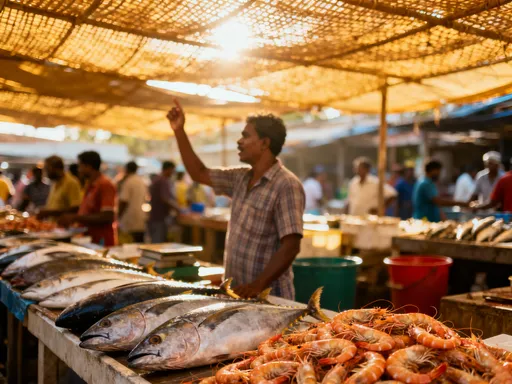
No experience in Trincomalee captures the raw pulse of daily life quite like a visit to China Bay’s fish market at dawn. Long before most tourists stir, the wharf comes alive with the arrival of wooden fishing boats, their hulls glistening with seawater and their decks piled high with the night’s catch. Men in rubber boots leap onto the dock, unloading baskets of silvery tuna, plump prawns, and iridescent reef fish still glistening with ocean spray. The air is thick with salt and the sharp, briny smell of fresh seafood, mingling with diesel fumes from idling tricycles waiting to transport the goods inland.
The auction begins within minutes of landing. Buyers—mostly women representing local vendors—crowd around the catch, inspecting fish for firmness, eye clarity, and gill color. Bidding is fast and verbal, conducted in rapid Tamil with hand signals to convey numbers. A single large tuna might fetch hundreds of rupees, while bundles of small reef fish go for less but sell in volume. This is not a staged performance for tourists; it’s a high-stakes, time-sensitive exchange where freshness determines value. Within an hour, nearly everything is sold, packed into insulated crates, or laid out on ice-covered tables at nearby stalls.
For visitors, observing this scene offers a profound lesson in sustainability and local food systems. There is little waste—every part of the fish is used. Heads and bones go to make flavorful curries, while smaller species are sun-dried for later use. Common catches include yellowfin tuna, known for its rich flavor and firm texture; king prawns, prized for their sweetness; cuttlefish, often grilled or stir-fried; and a variety of coral reef fish like parrotfish and emperor, which appear in curries and fried dishes across the region. The diversity reflects both the health of the surrounding waters and the expertise of local fishers who know seasonal patterns and sustainable practices passed down through generations.
Photography is possible but requires sensitivity. Always ask permission before taking photos of individuals, especially women and fishers at work. Avoid using flash, which can be disruptive in the dim morning light. The best approach is to stand quietly at the edge of the action, showing respect through presence rather than intrusion. Many vendors are happy to engage in conversation once they sense genuine interest. A few kind words in Tamil—such as *‘nandri’* (thank you)—can open doors to brief but meaningful exchanges.
Textiles & Tailoring: Where Fabric Tells a Story
Walking through Trincomalee’s market lanes, one cannot miss the vibrant displays of textiles that drape from shop fronts and spill onto sidewalks. These fabrics are more than decorative—they are carriers of identity, tradition, and craftsmanship. Local textile shops specialize in a variety of materials, including handloom cotton, batik prints, and traditional sarongs worn by Tamil and Muslim women. Each pattern and color carries meaning: red and gold often signify celebration, while floral batik designs may reflect regional influences from the east coast’s coastal communities.
What sets Trincomalee apart is the accessibility of custom tailoring. Many shops offer on-demand services, where customers select fabric and provide measurements in the morning, only to return the next day with a perfectly fitted garment. This efficiency stems from generations of skilled artisans who operate small, family-run workshops tucked behind storefronts. The process is simple: choose your fabric, discuss the design—whether it’s a formal sari blouse, a child’s school uniform, or a lightweight kurta—and leave it with the tailor. Prices are modest, often ranging from 800 to 2,500 Sri Lankan rupees depending on complexity and material, making it an affordable luxury for locals and a unique opportunity for visitors.
For travelers looking to bring home a meaningful souvenir, purchasing fabric or commissioning a piece can be deeply rewarding. To ensure quality, examine the weave closely—handloom cotton should feel slightly uneven but durable, while batik should show crisp, well-defined patterns without bleeding dye. Avoid synthetic blends that mimic traditional looks but lack authenticity. When negotiating prices, start with a polite inquiry and be prepared to pay a fair rate; remember that these artisans rely on their craft for livelihood. Some shops may even allow you to watch the tailors at work, their hands moving swiftly over sewing machines or hand-stitching intricate borders. These moments offer a quiet glimpse into a vanishing art form, preserved not in museums but in the daily rhythm of commerce.
Spice Stalls and Herbal Remedies: More Than Just Scent
Among the most captivating corners of Trincomalee’s markets are the spice stalls, where pyramids of dried chilies, coiled cinnamon bark, and mounds of golden turmeric root create a feast for the senses. These are not merely culinary ingredients—they are threads woven into the fabric of daily health and tradition. Cinnamon, cardamom, cloves, fenugreek, and mustard seeds are staples, sold in loose quantities so customers can buy exactly what they need. The air around these stalls is warm and aromatic, a blend of earthy, sweet, and spicy notes that lingers on clothing long after leaving.
What many visitors don’t realize is the deep connection between these spices and local wellness practices. In homes across Trincomalee, turmeric is used not only in curries but also in paste form to soothe skin irritations. Cloves are steeped in warm water for toothaches, and cumin is brewed into tea to aid digestion. These uses stem from Ayurvedic principles, a traditional system of health that remains widely respected and practiced. Market vendors often double as informal advisors, offering tips on which spices to use for colds, digestion, or energy. While they are not licensed practitioners, their knowledge is rooted in lived experience and generational wisdom.
For travelers, distinguishing high-quality spices from tourist-grade blends is essential. Freshness can be tested by smell—true cinnamon should have a sweet, woody aroma, while stale powder lacks potency. Whole spices generally retain flavor longer than pre-ground versions, so buying in whole form and grinding at home is recommended. Be cautious of brightly colored powders, which may contain additives. The best stalls are those frequented by locals, where turnover is high and stock is replenished daily. A simple way to identify such vendors is to observe who has the longest lines of residents, not just camera-toting tourists.
Purchasing spices here supports small-scale farmers and distributors who source from nearby regions like Kandy and Matale. By choosing local stalls over pre-packaged tourist shops, travelers contribute to a more sustainable economy. A small cloth bag of cinnamon quills or a jar of hand-sorted cardamom pods makes for a thoughtful, transportable keepsake—one that carries not just flavor, but story.
Street Food as Commerce: Flavors That Fuel the City
In Trincomalee, street food is not a novelty—it’s a cornerstone of daily life and a vital part of the informal economy. Across the commercial districts, clusters of food stalls operate from dawn until dusk, serving affordable, nutritious meals to workers, students, and families. These vendors are entrepreneurs in their own right, often running one-person operations that require skill, stamina, and deep knowledge of local taste. Their offerings—known locally as “short eats”—include savory pastries, steamed dumplings, and crispy fried snacks that pack bold flavors into handheld portions.
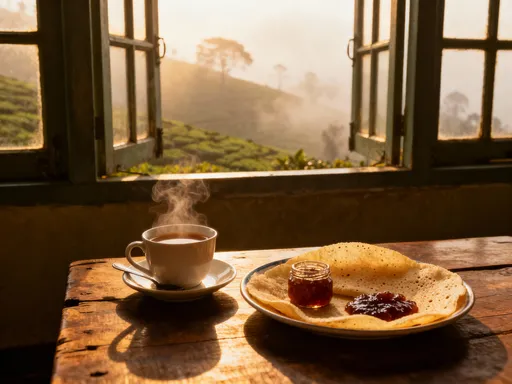
Among the most popular items are *hoppers*—bowl-shaped fermented rice pancakes with a soft center and crispy edges—often served with coconut sambol or dhal curry. *String hoppers*, made from steamed rice noodles, are another favorite, especially at breakfast. Fresh coconut water, sold straight from the nut with a straw, provides natural hydration in the tropical heat. For heartier appetites, *kottu roti*—a chopped flatbread stir-fry with vegetables, egg, or meat—is a go-to choice, cooked on a flat griddle with rhythmic chopping that draws attention like street theater.
The best-rated stalls are often found near the main bus stand, market intersections, and temple entrances—locations with steady foot traffic and loyal customer bases. Hygiene varies, but many reputable vendors maintain clean workspaces, use bottled water, and cover food to protect from dust and flies. Look for stalls with high turnover, as fresh ingredients are less likely to spoil. Avoid anything left out in the sun for hours or handled with bare hands without gloves. When in doubt, opt for items that are cooked to order and served hot.
Eating street food is more than a culinary adventure—it’s a form of cultural participation. Sitting on a low stool, sharing a meal with locals, and learning which chutney goes best with which dish fosters connection. A simple smile and a thank you in Tamil or Sinhala can turn a transaction into a moment of warmth. For women travelers, especially those between 30 and 55, this slow, mindful way of eating offers a comforting contrast to fast-paced tourism, grounding the journey in real human experience.
Practical Tips for Navigating Trincomalee’s Business Districts
To make the most of a visit to Trincomalee’s markets, timing and preparation are key. The best hours to explore are early morning, from 7:00 to 10:00 a.m., when temperatures are cooler, vendors are fully stocked, and the energy is vibrant but not overwhelming. Midday, especially between 12:00 and 3:00 p.m., brings intense heat and reduced activity, with many stalls closing temporarily. Late afternoon, from 4:00 p.m. onward, sees a resurgence, particularly in food and textile areas, making it ideal for evening strolls and dinner shopping.
Transportation within the town is convenient and affordable. Three-wheelers, commonly known as tuk-tuks, are the most practical option for reaching market zones from hotels or guesthouses. Always agree on the fare before starting the ride—typical short trips within town cost between 200 and 500 rupees. Walking is also viable if staying centrally, allowing deeper immersion in street life. Parking for private vehicles is limited and often unmarked, so drivers should inquire locally or use designated lots near major intersections.
Language can enhance the experience significantly. While many vendors understand basic English, knowing a few phrases in Tamil or Sinhala builds rapport. Useful expressions include *‘nandri’* (thank you in Tamil), *‘kohomada?’* (how much?), and *‘eka wage deyak’* (one, please in Sinhala). A smile and patient gesture go a long way when words fail. Carrying small denominations of Sri Lankan rupees—100, 50, and 20 notes—ensures smooth transactions, as change can be hard to come by in busy moments.
Dressing modestly is recommended, especially for women. Light, breathable clothing that covers shoulders and knees respects local norms and provides sun protection. A reusable bag is useful for carrying purchases, reducing reliance on plastic. Lastly, approach the market with curiosity and humility. These spaces are not performances—they are workplaces, livelihoods, and community hubs. Observing quietly, asking permission, and engaging with kindness ensures a respectful and enriching visit.
Conclusion: Beyond Tourism — Connecting Through Commerce
Trincomalee’s markets offer something that no guided tour or luxury resort can replicate: a genuine connection to the rhythm of everyday life. They are not merely places to buy souvenirs or snap photos, but living spaces where culture, resilience, and community converge. In the call of a fish auction, the hum of a sewing machine, or the scent of freshly ground spices, visitors encounter the quiet dignity of people who build their lives one transaction at a time. For women travelers—particularly those in their 30s to 50s seeking meaningful, grounded experiences—these markets provide a space of warmth, authenticity, and subtle empowerment.
Responsible travel means more than minimizing environmental impact; it includes supporting local economies in ethical, respectful ways. Every purchase from a street vendor, every polite exchange with a tailor, every shared smile at a food stall contributes to a cycle of dignity and mutual recognition. These small acts of engagement ripple outward, reinforcing the value of local knowledge and craftsmanship in an increasingly globalized world.
To discover Trincomalee is not just to see its beaches or temples, but to walk its market lanes, listen to its voices, and learn from its people. It is to understand that the true heart of a place often beats not in its monuments, but in its markets—where commerce is not just trade, but conversation, culture, and connection. So come with curiosity, come with respect, and let the markets reveal the soul of Trincomalee, one interaction at a time.