You Gotta See Madrid From Up Here – This Changes Everything
You know that feeling when you think you’ve seen a city, then suddenly you’re looking down on it from above and it hits you all over again? That’s Madrid from the heights—completely different, impossibly beautiful. I didn’t expect to be so moved just by a view, but these spots do more than show scenery. They shift your perspective. Let me take you to the places where the skyline breathes and the light dances over rooftops like magic. From historic towers to hidden hilltops, Madrid reveals its soul when you rise above the streets. This isn’t just sightseeing—it’s a quiet revelation, a moment of clarity in a bustling capital that pulses with life at every level.
Why Elevated Views Define Madrid’s Soul
Madrid is a city of layers—architectural, historical, and emotional. At street level, it pulses with energy: the clatter of tapas plates, the rhythm of flamenco from hidden courtyards, the steady flow of locals moving through plazas like water through channels. But to truly understand Madrid, you must rise above it. From elevated vantage points, the city transforms into a living map, where centuries unfold beneath your feet and light paints stories across rooftops. The compact core of Madrid, centered around Puerta del Sol and the Royal Palace, gives way to expansive neighborhoods that fan out like petals. Seen from above, this radial design becomes clear—a deliberate urban rhythm shaped by kings, architects, and time.
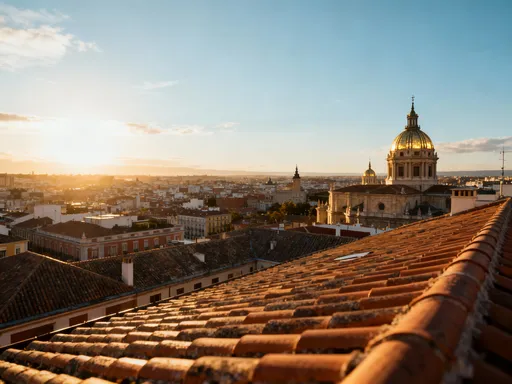
What makes Madrid’s skyline so powerful is not just its beauty but its authenticity. Unlike cities built for spectacle, Madrid’s charm lies in its lived-in quality. From height, you see laundry lines strung between buildings, terracotta tiles warmed by the sun, and the occasional rooftop garden tucked into the urban fabric. These details aren’t hidden—they’re celebrated in the panorama. The interplay of light and shadow across the city changes by the hour, revealing how Madrid breathes with the day. In the morning, soft gold washes over the Gran Vía; by late afternoon, long shadows stretch across Retiro Park; at dusk, the city glows with a warm amber pulse.
Moreover, Madrid’s elevation offers more than visual delight—it provides context. From above, you trace the path of the Manzanares River, see the green expanse of Casa de Campo stretching westward, and spot the distant silhouette of the Sierra de Guadarrama mountains framing the horizon. These elements anchor the city in its natural setting, reminding visitors that Madrid is not just a metropolis but a place shaped by geography. The city’s soul isn’t confined to museums or monuments; it lives in the way neighborhoods connect, how light moves across districts, and how life unfolds in vertical harmony. Elevated views don’t just show Madrid—they help you feel it.
The Must-Visit Rooftop Terraces (And What to Expect)
No experience in Madrid is quite like sipping a glass of cava on a rooftop terrace as the sun dips behind the city skyline. These elevated oases blend sophistication with comfort, offering panoramic views without sacrificing authenticity. While specific rooftop bars come and go, certain neighborhoods consistently deliver exceptional vantage points. Malasaña, known for its bohemian spirit, hosts several rooftop terraces where young professionals and curious travelers gather in the late afternoon. The atmosphere is relaxed yet vibrant, with soft music drifting through the air and the scent of grilled vegetables mingling with citrus from mojitos.
Salamanca, Madrid’s most elegant district, offers a more refined rooftop experience. Here, terraces are often part of boutique hotels or upscale restaurants, providing a polished setting for sunset viewing. The ambiance is calm, with plush seating, subtle lighting, and attentive service. Guests often dress smart-casual—think linen shirts, light jackets, or summer dresses—reflecting the neighborhood’s polished character. Reservations are strongly recommended, especially during spring and early autumn when the weather is ideal. Arriving between 6:30 and 7:30 PM ensures you secure a good spot before the golden hour begins.
What sets Madrid’s rooftop culture apart is its accessibility. While some venues have dress codes or minimum spends, many welcome visitors with a simple reservation and a willingness to enjoy the moment. The real magic happens at sunset, when the sky shifts from pale blue to deep orange, then soft lavender. During this time, the city seems to pause—conversation softens, phones come out for photos, and strangers exchange quiet smiles. It’s not just about the view; it’s about sharing space with others who’ve come to witness the same beauty. For families, some rooftops offer child-friendly menus and earlier seating options, making them suitable for multi-generational visits.
One guest, a mother of two from Barcelona, described her rooftop experience as “a moment of stillness in a busy trip.” She recalled watching her teenage daughter point out landmarks while her younger son leaned over the railing, fascinated by the tiny cars below. These personal moments, layered over the grand panorama, are what make rooftop visits so meaningful. Whether you’re celebrating a special occasion or simply taking a breath between sightseeing, Madrid’s terraces offer a space to connect—with the city, with loved ones, and with yourself.
Historic Towers That Offer More Than a View
Madrid’s skyline is shaped not by modern skyscrapers but by centuries-old towers that still stand as testaments to faith, artistry, and civic pride. Climbing these structures offers more than a sweeping vista—it provides a tangible connection to the city’s past. One of the most rewarding ascents is the bell tower of San Francisco el Grande, a neoclassical basilica near the La Latina neighborhood. The climb is modest but deliberate, with a narrow stone staircase winding upward through dimly lit passages. As you rise, the sounds of the city fade, replaced by the quiet echo of footsteps and the occasional chime of the bells above.
At the top, the view is breathtaking. To the east, the Royal Palace gleams in the sunlight; to the west, the modern towers of AZCA financial district rise like sentinels. But more than the landmarks, it’s the texture of the city that captures attention—the patchwork of red roofs, the sudden green bursts of plazas, and the way sunlight catches the edges of Baroque facades. The tower’s architecture itself tells a story: built in the 18th century, it reflects the Enlightenment ideals of symmetry and proportion. Standing within it, you feel the weight of history not as something distant, but as a living presence.
Another significant vantage point is the viewing level of Almudena Cathedral, located just across from the Royal Palace. This massive structure, completed in the late 20th century, blends neo-Gothic and neo-Romanesque styles, creating a unique silhouette on Madrid’s skyline. Visitors can access an elevated platform near the dome, reached by a combination of stairs and a glass-enclosed elevator. The ascent offers interpretive panels that explain the cathedral’s construction and religious significance, enriching the experience beyond mere sightseeing.
From this height, the relationship between church and state in Spanish history becomes visually clear. The proximity of the cathedral to the Royal Palace speaks to centuries of intertwined power, tradition, and identity. On clear days, the view extends to the distant hills, and you can trace the path of major avenues like Paseo de la Castellana as they slice through the urban grid. These towers are not tourist attractions in the conventional sense—they are invitations to reflection. They ask you to slow down, to climb with intention, and to see Madrid not just as a destination but as a continuum of stories, beliefs, and human effort.
Urban Parks With Natural Vantage Points
While rooftops and towers offer structured views, Madrid’s green spaces provide a more organic way to rise above the city. Urban parks with elevated terrain allow visitors to experience the skyline framed by nature—a contrast that deepens the sense of discovery. One of the most rewarding locations is Cerro del Tío Pío, affectionately known as “El Templo.” Located in the Usera district, this small hill was once an industrial site but has been transformed into a public park with one of the most stunning panoramic viewpoints in the city. The trail to the top is paved and well-maintained, suitable for families and casual walkers. Along the way, benches offer rest spots, and informational signs describe the local flora and the site’s history.
At the summit, a wide viewing platform faces north toward the city center. The sight of Madrid unfolding below, with the Psoí Tower and the Madrid Río park in the foreground, is unforgettable. Unlike rooftop bars, this space is free and open to all, attracting photographers, couples, and solo visitors seeking quiet. The park is especially popular at sunrise and sunset, when the light bathes the city in soft hues. For families, it’s a safe and engaging destination—children enjoy the open space, while adults appreciate the unobstructed views. Comfortable walking shoes are recommended, as the path, while not strenuous, involves a steady incline.
Another exceptional vantage point is found in Casa de Campo, a vast forested park that covers over 1,700 hectares west of the city. While much of the park is flat, certain trails lead to elevated clearings with sweeping views of central Madrid. The most accessible route begins near the cable car station, where the Teleférico de Madrid ascends from the park into the heart of the city. Walking along the ridge before the station offers a quieter alternative to the ride itself. Here, the city appears in the distance like a shimmering tapestry, framed by pine trees and wildflowers.
Casa de Campo is ideal for full-day outings. Families often combine a hike with a visit to the zoo or a picnic by the lake. The park is well-patrolled and safe, with clear signage and emergency call points. For solo visitors, early morning is the best time to visit—birdsong fills the air, and mist rises from the reservoir, creating a serene atmosphere. These natural vantage points remind us that Madrid is not just a concrete landscape but a city in dialogue with nature. They offer a slower, more contemplative way to see the capital—one step, one breath, one view at a time.
How to Time Your Visit for Maximum Impact
The quality of Madrid’s skyline views depends heavily on timing. While the city is beautiful year-round, certain hours and seasons elevate the experience from pleasant to profound. The most celebrated times are golden hour and blue hour—those magical windows just after sunrise and before sunset when light softens and colors intensify. During golden hour, the city glows with warm, honeyed tones, and shadows stretch long across the streets. Blue hour, the period just after sunset when the sky turns deep indigo, brings a cooler, more serene palette. Streetlights flicker on, windows reflect the twilight, and the skyline takes on a dreamlike quality.
Spring and early autumn offer the most favorable conditions for skyline viewing. From March to May and September to October, temperatures are mild, skies are often clear, and the air has a crisp clarity that enhances visibility. These seasons also avoid the extremes of summer heat and winter gloom. July and August, while vibrant with activity, can bring haze and intense midday sun that washes out colors and makes outdoor photography difficult. If visiting during these months, prioritize early morning or late evening visits to rooftops and parks.
Winter, though colder, has its own rewards. On clear days, the low angle of the sun creates long shadows and dramatic contrasts, particularly striking in black-and-white photography. Additionally, fewer tourists mean quieter viewpoints, whether on a cathedral tower or a hilltop park. Madrid’s light in winter is softer, more diffuse—ideal for those who prefer a contemplative mood over vibrant spectacle. Regardless of season, checking the daily weather forecast and sunrise/sunset times is essential. Apps that track daylight patterns can help plan visits with precision.
Equally important is avoiding peak congestion. Major tourist sites, including popular rooftops and towers, can become crowded between 12 PM and 4 PM, especially in high season. Arriving earlier or later not only ensures better views but also a more peaceful experience. For families, scheduling a rooftop visit after a late lunch allows children to rest before the evening excitement. For solo travelers, dawn hikes to Cerro del Tío Pío offer solitude and a sense of accomplishment. Timing isn’t just logistical—it’s emotional. The right moment transforms a view into a memory.
Photography Tips Without Being a Pro
You don’t need a professional camera to capture Madrid’s skyline beautifully. Modern smartphones are capable of stunning results with a few simple techniques. First, clean your lens—smudges are the enemy of clarity. Use the grid feature to enable the rule of thirds, placing the horizon along the top or bottom line for balanced composition. When shooting from height, include foreground elements like railings, trees, or architectural details to add depth and scale.
Stability is key. Hold your phone with both hands, elbows tucked in, or rest it on a railing or bench. For longer exposures during blue hour, use a small tripod or place the phone on a flat surface. Many phones have a night mode that automatically adjusts exposure—let it do the work. Tap the screen to focus on your subject, whether it’s the glowing skyline or a person silhouetted against the light. Avoid digital zoom, which degrades quality; instead, move closer or crop later.
Don’t just photograph the skyline—capture the moments around it. A child’s face lit by sunset, a couple sharing a quiet drink, the reflection of clouds in a rooftop pool—these images tell richer stories. Turn around sometimes; the people watching the view are part of the experience too. Respect privacy by avoiding close-ups of strangers without permission, and be mindful of restricted areas where photography may be limited for safety or cultural reasons.
Editing can enhance your photos, but aim for authenticity. Slight adjustments to brightness, contrast, or warmth can bring out the mood without distorting reality. The goal isn’t perfection but preservation—keeping the feeling of the moment intact. These images aren’t just souvenirs; they’re reminders of how Madrid made you feel when you saw it from above, when the city opened up and revealed its heart.
Blending Views Into a Full Madrid Experience
Seeking elevated views shouldn’t be a standalone activity—it’s most meaningful when woven into a broader exploration of Madrid. Imagine starting your day at the Prado Museum, immersed in centuries of art, then pausing in the late afternoon at a rooftop terrace to let the city unfold before you. Or hiking through Retiro Park in the morning, followed by a climb to Almudena Cathedral’s viewing level to see how the district fits into the larger urban tapestry. These moments of elevation become anchors, giving rhythm and depth to your journey.
The balance between movement and stillness is essential. Madrid invites walking, wandering, discovering—but it also rewards pause. A skyline view is not a checkbox; it’s an invitation to reflect, to absorb, to reconnect. For families, these pauses offer shared wonder. For solo travelers, they provide clarity. For couples, they create intimacy. Each perspective shift deepens your connection to the city, transforming sightseeing into a mindful practice.
As the light fades and the city glows, you begin to understand that Madrid is not just a place you visit, but a presence you feel. From above, its soul is visible—not in grand gestures, but in the quiet details: a lit window here, a distant bell there, the endless hum of life continuing below. To see Madrid from up here is to see it anew. And once you do, you’ll never look at the city—or your travels—the same way again.