You Won’t Believe These Hidden Gems in Ziguinchor’s Architecture
Nestled in southern Senegal, Ziguinchor is a quiet treasure often overlooked by travelers. But if you know where to look, its architecture tells a story—of colonial charm, local craftsmanship, and cultural fusion. From colorful Creole houses to sacred wooden carvings, every building breathes history. I walked its streets, soaked in the sunlight on weathered walls, and discovered spaces that feel alive. This isn’t just sightseeing—it’s soul-stirring.
Discovering Ziguinchor: A Gateway to Senegal’s South
Located along the banks of the Casamance River, Ziguinchor serves as the cultural and administrative heart of southern Senegal. Unlike the bustling energy of Dakar, this region unfolds at a gentler pace. Here, palm trees sway over red-dirt roads, and the scent of ripe mangoes drifts through the air. The city is a crossroads of traditions, where the rhythms of the Diola (Jola) people blend with influences from French colonial history and neighboring West African cultures. This unique mix shapes not only the music and cuisine but also the very fabric of its built environment.
Ziguinchor stands apart from Senegal’s more commercialized destinations by remaining deeply rooted in authenticity. Tourism infrastructure exists but does not dominate. There are no sprawling resorts or crowded promenades—just quiet neighborhoods where daily life unfolds in harmony with nature. This makes it an ideal destination for travelers seeking meaningful experiences beyond the usual postcard scenes. Its geographical position—separated from northern Senegal by The Gambia—has contributed to a sense of cultural independence and preservation.
The Diola people, who have lived in the Casamance region for centuries, play a central role in shaping the local aesthetic. Their worldview emphasizes balance with the land, which is reflected in agricultural patterns, spiritual practices, and architectural forms. Homes are not built to impose on the landscape but to coexist with it. This philosophy extends to public spaces and communal structures, where design serves both function and tradition. For the mindful traveler, Ziguinchor offers a rare opportunity to witness architecture not as static monuments but as living expressions of identity.
Creole Architecture: Where French Elegance Meets Tropical Life
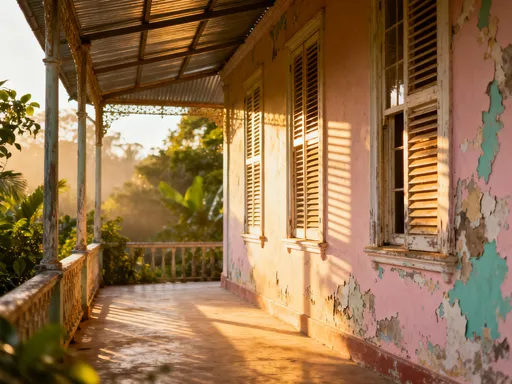
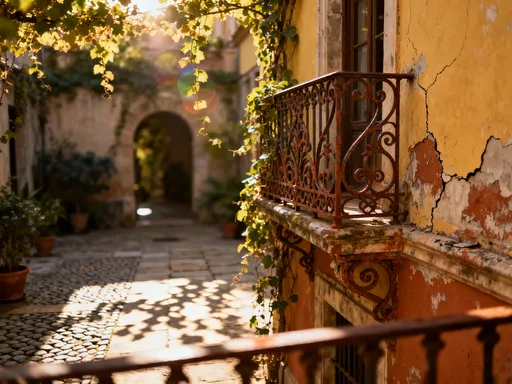
One of the most striking features of Ziguinchor’s urban landscape is its collection of Creole-style houses, remnants of Senegal’s colonial past that have evolved into something uniquely local. These buildings, often dating back to the late 19th or early 20th century, combine French architectural sensibilities with adaptations suited to the tropical climate. Their wide wraparound verandas, known as galeries, invite relaxation and socializing, offering shade from the intense sun while capturing every passing breeze.
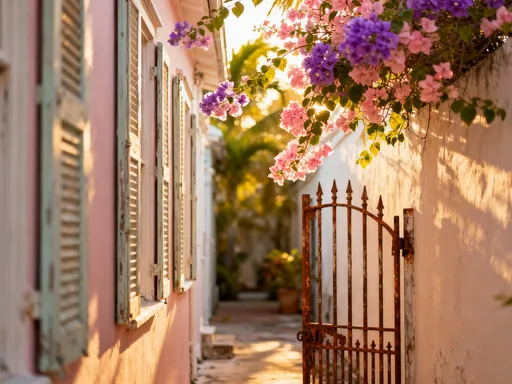
The facades are typically painted in soft pastels—mint green, pale yellow, sky blue—colors that reflect light and help keep interiors cool. Metal roofs, often corrugated iron, slope gently to allow rainwater runoff during the long rainy season. Tall louvered shutters line the windows, permitting airflow while maintaining privacy and filtering sunlight into rhythmic patterns across wooden floors. Inside, high ceilings promote air circulation, and polished timber floors bear the marks of decades of footsteps, telling silent stories of generations.
What sets these homes apart is not just their beauty but their resilience. Many have been maintained by families for over a century, passed down like heirlooms. In recent years, there has been growing awareness of their historical value. Local preservation groups and heritage advocates have begun documenting these structures, advocating for careful restoration rather than demolition or modern replacement. Some have been converted into guesthouses or cultural centers, allowing visitors to experience the elegance of Creole living firsthand.
Walking through the older quarters of Ziguinchor feels like stepping into a slower, more deliberate way of life. The architecture here doesn’t shout; it whispers. It speaks of afternoons spent sipping bissap under the veranda, of children playing in the courtyard, of elders sharing stories as dusk settles. These homes are not museum pieces—they are lived-in, loved, and continuously adapted, proving that heritage can thrive without losing its soul.
Sacred Spaces: Mosques and Shrines with Local Flair
In Ziguinchor, spirituality is woven into the physical environment. Mosques and prayer spaces, though often modest in size, reveal profound attention to detail and deep cultural meaning. Unlike grand urban mosques with towering minarets, those found in this region prioritize harmony with their surroundings. Built from locally sourced materials such as sun-dried brick and timber, they blend seamlessly into the village fabric.
Externally, many appear simple—rectangular structures with flat or gently sloping roofs, whitewashed walls, and unadorned entrances. But step inside, and the transformation is remarkable. Interiors are often cooled by thick earthen walls and dimmed by small, high-set windows that filter golden light onto hand-carved wooden pillars and prayer niches. The mihrab—the niche indicating the direction of Mecca—is frequently framed with intricate geometric patterns or calligraphic inscriptions, some painted in natural pigments, others carved directly into wood or plaster.
One of the most distinctive features is the craftsmanship of the doors. Tall and heavy, these wooden entrances are often the work of local artisans who spend weeks perfecting their designs. Motifs include interlocking circles, stylized stars, and flowing arabesques, all rendered with precision and symmetry. These carvings are not merely decorative—they symbolize unity, infinity, and the divine order of the universe. In rural communities, such doors may be passed down through generations, their surfaces worn smooth by countless hands.
Friday prayers bring these spaces to life. The call to prayer echoes softly across rooftops, drawing worshippers from nearby homes. Women gather at the edges of courtyards, exchanging news while children dart between trees. There is a quiet dignity in these moments, a sense of continuity that transcends time. For visitors, observing these rituals—even from a respectful distance—offers insight into how faith and architecture intersect to create sacredness not through grandeur, but through intention and community.
Traditional Jola Homes: Built in Harmony with Nature
Outside the city center, in the surrounding villages and rice-growing plains, the traditional homes of the Jola people offer a masterclass in sustainable design. These structures are not built for show; they are practical, resilient, and deeply attuned to the environment. Round huts with conical thatched roofs dominate the landscape, their organic shapes echoing the curves of the earth and the canopy of trees.
The construction process itself is a communal effort. Families come together to gather materials—reeds from the marshes, clay from the riverbanks, hardwood poles from the forest. Walls are made from wattle and daub: a lattice of interwoven sticks plastered with a mixture of mud and straw. Roofs are layered with dried grass or raffia palm, skillfully tied to resist wind and rain. These homes remain cool in the heat and surprisingly dry during heavy downpours, thanks to thoughtful design and centuries of accumulated knowledge.
One of the most iconic elements is the raised granary, known locally as a *cayard*. These elevated silos store harvested rice and protect it from pests and moisture. Built on stilts, they feature overhanging roofs and ventilation gaps, allowing air to circulate freely. Often decorated with symbolic carvings or painted patterns, they are both functional and expressive, standing as sentinels in family compounds.
The layout of a traditional Jola homestead reflects social values. Homes are arranged around a central courtyard, fostering connection and shared responsibility. Each structure has a purpose—sleeping quarters, cooking areas, storage spaces—yet all are linked by invisible threads of kinship and cooperation. Even the placement of trees and livestock pens follows careful planning, ensuring balance between human needs and ecological stewardship.
In an era increasingly focused on eco-friendly building, the Jola model offers timeless lessons. These homes use no concrete, generate no industrial waste, and leave minimal carbon footprints—all while providing comfort and security. They remind us that sustainability is not a new concept but an ancient practice, refined over generations through observation, trial, and deep respect for the land.
Color, Craft, and Community: The Soul Behind the Structures
Behind every wall, every carved door, every painted shutter, is a person—a craftsman, a mason, a weaver—who breathes life into Ziguinchor’s architecture. The city’s visual richness comes not from imported materials or mass production, but from the hands of local artisans who preserve ancestral techniques. Woodcarving, in particular, holds a revered place in Casamance culture. Skilled carvers shape doors, stools, masks, and furniture using simple tools and immense patience, their chisels following patterns handed down from elders.
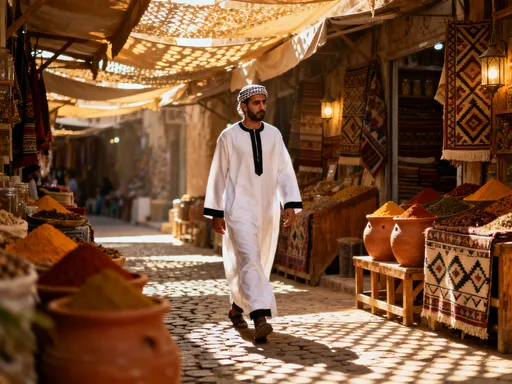
Markets throughout Ziguinchor are vibrant showcases of this creativity. At the central market, stalls overflow with handcrafted items—woven baskets dyed with natural pigments, ceramic pots shaped on foot-powered wheels, textiles patterned with traditional motifs. Visitors can watch artisans at work, shaping wood or braiding reeds, their movements rhythmic and precise. These markets are not just places of commerce; they are living classrooms where knowledge is shared and traditions are kept alive.
The connection between craft and architecture is inseparable. A beautifully carved lintel above a doorway, a painted frieze along a veranda, or a woven mat hanging inside a home—all contribute to the overall aesthetic. These details are not afterthoughts; they are integral expressions of identity, belief, and belonging. Even in modern homes, families often incorporate handmade elements, ensuring that craftsmanship remains part of everyday life.
Supporting these artisans is one of the most meaningful ways travelers can engage with Ziguinchor. Purchasing directly from makers, asking about their process, and showing genuine appreciation helps sustain both livelihoods and cultural heritage. It also fosters human connection—between visitor and resident, between past and present. When you carry home a carved spoon or a handwoven placemat, you’re not just bringing back a souvenir; you’re honoring a legacy.
Navigating the City: Practical Tips for Exploring Architectural Highlights
Exploring Ziguinchor’s architectural treasures is best done on foot or by local transport, allowing time to absorb the rhythm of the city. The central district, particularly around Avenue Faidherbe and the old colonial quarter, offers a concentration of Creole houses and historic buildings. Early morning or late afternoon provides the softest light for photography and the most comfortable temperatures for walking.
For longer distances, bush taxis—shared minibuses—are an affordable and authentic way to travel. They follow set routes and depart when full, offering a glimpse into daily life as locals board with baskets of goods or children in tow. Motorcycle taxis, known locally as *wolobenz*, are another common option, especially useful for reaching outlying villages where traditional Jola homes can be seen in their natural setting.
When visiting homes or sacred spaces, respect is paramount. Always ask permission before entering private compounds or photographing people. A simple smile and gesture can go a long way. In rural areas, it’s customary to greet the elder of the household before moving around the property. This small act of courtesy opens doors—sometimes literally—and often leads to warm conversations and unexpected invitations.
Photography should be done thoughtfully. While the buildings are beautiful subjects, remember that people live in them. Avoid intrusive shots, and whenever possible, engage with residents first. Many are happy to share stories if approached with kindness and humility. Carrying a small notebook to jot down names or terms you learn can deepen your experience and show respect for their culture.
Safety in Ziguinchor is generally good, with low crime rates and a welcoming atmosphere. However, it’s wise to stay informed about local conditions and avoid restricted areas. Roads may be unpaved or poorly lit at night, so plan daytime excursions when possible. Travelers with mobility challenges may find uneven terrain difficult in rural zones, but the city center is largely accessible with assistance.
Why Ziguinchor’s Architecture Matters—And How to Experience It Right
Ziguinchor’s buildings are more than just structures—they are keepers of memory, vessels of culture, and testaments to resilience. In a world where globalization often leads to homogenization, this region stands as a quiet resistance, preserving its identity through brick, wood, and thatch. Each home, mosque, and market stall tells a story of adaptation, continuity, and pride. To walk through Ziguinchor is to witness a living archive, where history is not confined to books but embedded in the very walls around you.
But preservation is not guaranteed. Climate change, urban development, and shifting lifestyles pose real threats to traditional architecture. Younger generations may favor modern materials over ancestral methods, and without support, these skills could fade. This is why responsible tourism matters. When travelers take the time to understand rather than simply observe, when they support local artisans and respect community boundaries, they become allies in cultural conservation.
Experiencing Ziguinchor’s architecture begins with slowing down. Put away the checklist. Sit on a veranda with a glass of ginger juice. Listen to the sound of rain on a thatched roof. Ask a carver about his tools. Let the place reveal itself in its own time. True discovery happens not in the click of a camera shutter but in the quiet moments of connection.
Let your journey be one of reverence. Carry curiosity, not assumptions. Bring questions, not judgments. And above all, let architecture be your guide—not just to beautiful places, but to deeper understanding. In Ziguinchor, the walls speak. All you need to do is listen.