Salsa, Streets, and Soul: Inside Cali’s Pulse-Pounding Culture
You know what? I never expected a city to grab me by the shoulders and just *move* with me—until I hit the streets of Cali. This isn’t just Colombia’s capital of salsa; it’s a living, breathing rhythm where culture spills out of dance halls and into everyday life. From neighborhood block parties to spontaneous drum circles at sunset, Cali doesn’t perform culture—it lives it. Every corner pulses with music, every market tells a story through flavor, and every smile feels earned through shared joy. If you’re looking for real, raw, and unforgettable cultural energy, you gotta check this out. This is not a place you simply visit. It’s a place you feel—in your feet, in your chest, in your soul.
Why Cali? The Heartbeat of Colombian Culture
Cali, officially known as Santiago de Cali, is often overshadowed in international travel guides by Cartagena’s colonial charm or Medellín’s modern transformation. But those in the know understand that Cali is where Colombia’s cultural heartbeat is loudest and most authentic. Nestled in the fertile Cauca Valley against the backdrop of the Farallones de Cali, this vibrant city of over two million people is far more than a geographic midpoint—it’s a cultural epicenter. Unlike other Latin American cities where tradition is preserved behind glass, Cali wears its heritage on its sleeve, in its steps, and in its songs. It proudly holds the title of the Salsa Capital of the World, a designation earned not by marketing campaigns but by decades of grassroots musical evolution and community devotion.
The roots of Cali’s cultural identity run deep, shaped by a powerful blend of Afro-Caribbean, Indigenous, and mestizo influences. The city’s proximity to the Pacific coast brought strong Afro-Colombian traditions, especially in rhythm and dance, while the surrounding Indigenous communities contributed spiritual and agricultural knowledge that still echoes in local customs. Over time, waves of migration from rural areas infused Cali with a dynamic mix of traditions, creating a unique urban culture that is both deeply traditional and fiercely innovative. This synthesis is most evident in the city’s music, where Cuban son, Puerto Rican plena, and local champeta rhythms merged in the mid-20th century to give birth to Cali’s distinctive salsa style—fast, precise, and acrobatic.
What sets Cali apart from other musical capitals is how seamlessly culture integrates into daily life. You won’t need to buy a ticket to witness a performance—music erupts spontaneously in parks, on buses, and in living rooms. Children learn salsa steps before they learn to write, and elders dance with a grace that only a lifetime of movement can bring. This isn’t entertainment; it’s existence. While other cities may celebrate culture during festivals, in Cali, every day is a celebration. For travelers seeking authenticity, this organic, unfiltered expression of identity offers a rare and powerful connection to the spirit of Colombia.
Dance Is Life: Experiencing Salsa Beyond the Stage
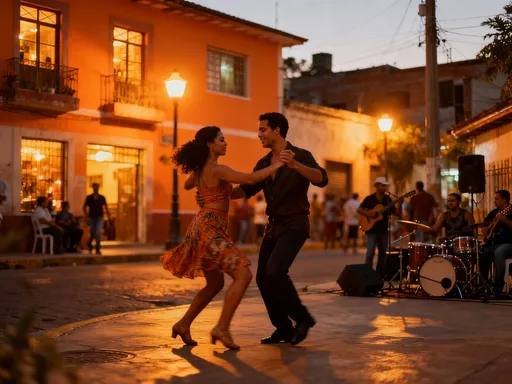
In Cali, dancing isn’t something you do—it’s something you are. Salsa isn’t confined to nightclubs or stage performances; it’s a language spoken fluently by the entire city. From early evening, the air fills with the sharp staccato of trumpets, the steady pulse of congas, and the high-pitched wail of the güiro. Street corners become impromptu dance floors, where couples spin and step in perfect sync, their movements a blend of precision and passion. These spontaneous gatherings, often centered around mobile sound systems known as *sonoras*, are not for show—they’re for joy, for community, for life.
The social dance culture in Cali is deeply ingrained. Weekends are reserved for *rumbas*—informal dance parties hosted in homes, backyards, or community centers. These gatherings are multigenerational, with grandparents dancing beside teenagers and toddlers shimmying on the sidelines. The rhythm is fast, typically between 180 and 200 beats per minute, and the style is characterized by quick footwork, intricate turns, and dramatic dips. This is not the smooth, romantic salsa of ballroom studios—it’s energetic, athletic, and deeply expressive.
For visitors, the good news is that Cali welcomes all levels. Numerous *salsotecas*—dance clubs dedicated to salsa—offer beginner-friendly nights where locals are eager to teach and encourage. Places like Zaperoco or El Rincón de Heberto are known for their inclusive atmosphere and live music. Many also host free introductory classes in the early evening, making it easy for travelers to dip their toes into the rhythm. The key is to approach with humility and an open heart. Don’t worry about getting the steps right—what matters is showing up, moving with the music, and respecting the culture.
If you’re new to salsa, consider taking a structured class at one of Cali’s renowned dance academies, such as Grupo Cultural Calidanza or Escuela de Baile La Sucursal del Ritmo. These schools offer short workshops tailored for tourists, often lasting just a few hours but packed with essential techniques and cultural context. Instructors emphasize that salsa is not just about footwork—it’s about connection, timing, and feeling the music in your body. By the end of a session, even the most rhythm-shy traveler often finds themselves smiling, sweating, and moving with confidence.
Festivals That Move the City: Timing Your Visit Right
No time to experience Cali’s culture is quite like the Feria de Cali, an annual celebration held every last week of December. More than just a festival, this eight-day explosion of music, dance, and color is the city’s cultural climax—a time when Cali truly becomes a living stage. Millions flock to the city from across Colombia and beyond, filling the streets with energy, anticipation, and nonstop dancing. For families, this is a time of reunion, tradition, and joy. For visitors, it’s a once-in-a-lifetime immersion into the soul of Colombian culture.
The Feria de Cali is built around several signature events, each more vibrant than the last. One of the most iconic is the *Desfile de Silleteros*, a parade of flower-laden saddles carried on the backs of horses, inspired by the famous silleteros of Antioquia but uniquely adapted to Cali’s rhythm. As the horses trot down Avenida Colombia, riders wave to the crowds while mounted dancers perform salsa steps in the saddle—an astonishing feat of balance and skill. Equally thrilling is *La Rutina*, a massive nighttime parade of dance schools showcasing choreographed routines that blend salsa, hip-hop, and theatrical elements. Floats light up the night, dancers leap with acrobatic precision, and the entire city seems to move as one.
Music is at the heart of the Feria, with *conciertos populares*—free open-air concerts—featuring top salsa artists from Colombia and around the world. These concerts draw enormous crowds, often filling the Parque de los Periodistas or the Plaza de Caycedo. Names like Grupo Niche, Joe Arroyo, and La Sonora Dinamita have graced these stages, their music echoing through the night. Even if you don’t recognize the artists, the energy is contagious. Locals bring chairs, coolers, and generations of family members, turning the concerts into communal celebrations.
Planning a visit during the Feria requires preparation. Hotels book up months in advance, and prices can double or triple. The best strategy is to reserve accommodations early and consider staying in nearby towns like Yumbo or Palmira, which are well-connected by public transit. Navigating the crowds can be overwhelming, so it’s wise to travel in groups, keep valuables secure, and stay hydrated. While the official events are spectacular, don’t overlook the grassroots festivities—the neighborhood *rumbas*, street food stalls, and impromptu dance-offs that happen in every barrio. These unscripted moments often provide the most authentic experiences.
Outside the Feria, Cali hosts smaller celebrations year-round. The Festival del Caballo in January honors the region’s equestrian heritage with rodeos and traditional music. In August, the Festival de Jazz de Cali brings international artists to intimate venues, blending genres in surprising ways. And every Sunday, the Ciclovía closes major roads to cars, allowing families to bike, dance, and stroll in peace. Timing your visit around any of these events ensures you’ll witness Cali at its most alive.
Neighborhood Vibes: Where Culture Lives Locally
To truly understand Cali, you must step beyond the main avenues and explore its barrios—each a world unto itself, pulsing with distinct rhythms and traditions. San Antonio, perched on a hill overlooking the city, is the bohemian heart of Cali. Cobblestone streets wind past colonial-era houses now repurposed as art galleries, cafés, and live music venues. The neighborhood hosts weekly cultural fairs where local artisans sell handmade crafts, and musicians gather in the central plaza to play everything from vallenato to jazz. At sunset, the view of the city lights below is matched only by the warmth of the people above.
Just south lies Juanchito, widely regarded as the epicenter of Cali’s salsa scene. Once a working-class neighborhood, Juanchito has become a pilgrimage site for dance lovers. Its streets are lined with *salsotecas*, dance schools, and record shops where vinyl spins late into the night. On weekends, the entire barrio transforms into a giant dance floor. Locals dress in their finest—shiny shoes, sequined shirts, elegant dresses—and move with a confidence born of lifelong practice. Visitors are welcomed with open arms, though it’s wise to observe first, learn the unspoken rules, and dance with respect.
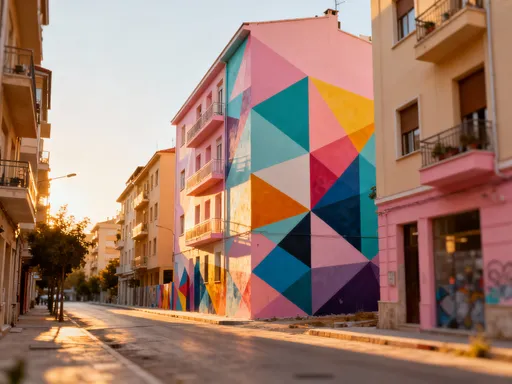
Further west, Aguablanca tells a different but equally important story. As one of the largest and most diverse neighborhoods in Colombia, it is a testament to resilience, creativity, and community. Despite facing socioeconomic challenges, Aguablanca thrives culturally. Community centers offer free dance and music classes to youth, helping steer them away from violence and toward artistic expression. Murals cover the walls, depicting heroes of Afro-Colombian history and symbols of unity. Local festivals here are deeply rooted in African traditions, with drum circles, call-and-response singing, and dance that honors ancestral rhythms.
Exploring these neighborhoods safely and respectfully is key. While crime rates in Cali have improved significantly in recent years, it’s still important to stay aware of your surroundings, especially after dark. Using public transit like the MIO system or hiring a licensed guide for walking tours is recommended. Many local tour operators offer cultural immersion experiences that connect visitors with community leaders, artists, and families. These tours not only ensure safety but also foster meaningful exchange. When you walk through a barrio with a local by your side, you don’t just see the culture—you feel it, hear it, and become part of it.
Tastes That Tell Stories: Food as Cultural Expression
In Cali, food is not just sustenance—it’s memory, identity, and love served on a plate. The city’s cuisine reflects its diverse roots, blending Indigenous ingredients, African cooking techniques, and Spanish influences into a rich culinary tapestry. To eat in Cali is to taste history, one bite at a time. The most iconic dish, *sancocho*, is a hearty stew made with chicken or beef, plantains, yuca, corn, and cilantro. Simmered for hours, it’s the comfort food of choice for family gatherings, especially on Sundays. Equally beloved are *tamales*, steamed bundles of masa filled with pork, peas, and spices, wrapped in banana leaves and often shared during holidays.
One drink that defines the Cali experience is *guarapo*—a fermented sugarcane juice served with cheese. Yes, cheese in a drink. This unusual pairing might sound strange, but it’s a cherished tradition, especially during the Feria. Vendors press fresh sugarcane through a machine, collecting the sweet, tangy liquid in cups, then drop in a cube of salty white cheese. The contrast of sweet and savory, cold and creamy, is both surprising and delightful. Guarapo is more than a beverage; it’s a social ritual, shared among friends and family during long nights of dancing.
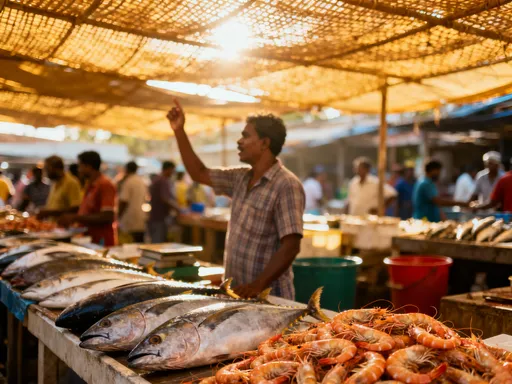
To find the most authentic flavors, skip the tourist restaurants and head to *picaderos*—local eateries often run out of homes or small storefronts. These family-run spots serve generous portions at low prices and are where locals go for real taste. Places like Picadero El Rincón de Doña Lupe or La Cazuela de la Abuela are known for their warm service and traditional recipes passed down through generations. Night markets, especially during festivals, offer another delicious opportunity to sample a variety of dishes in one place—from *arepas* to *empanadas* to grilled meats.
For health and comfort, it’s wise to drink bottled water, avoid ice in drinks unless you’re sure of its source, and choose busy establishments where food is fresh and turnover is high. But don’t let caution keep you from trying new things. Sharing a meal in Cali is an act of connection. When a family invites you to their table, when they serve you *ajiaco* with pride or offer you a second helping of *arroz con coco*, they’re not just feeding you—they’re welcoming you into their world. And that, more than any dish, is the true flavor of Cali.
Getting Around Like a Local: Smart Mobility in Cali
How you move through a city shapes how you experience it. In Cali, getting around is part of the adventure. The MIO (Masivo Integrado de Occidente) is the city’s bus rapid transit system, a network of dedicated lanes and modern stations that connect major neighborhoods. While it can be crowded during rush hours, it’s affordable, efficient, and a window into daily life. Riding the MIO, you’ll hear snippets of conversation, catch snippets of music from someone’s phone, and witness the quiet routines of students, workers, and elders. For first-time visitors, taking a guided MIO tour can ease anxiety and provide context.
Taxis and ride-sharing apps like Uber and DiDi are widely available and generally safe. They’re especially useful at night or when traveling with children or luggage. Fares are reasonable by international standards, but it’s best to confirm the rate before starting your journey or use apps that calculate the fare automatically. Walking is another excellent way to explore, particularly in neighborhoods like San Antonio or El Peñón, where sidewalks are wide and traffic is lighter. Many of Cali’s best discoveries happen on foot—stumbling upon a mural, hearing a drum circle in a park, or being invited to a spontaneous dance.
When navigating the city, a few tips go a long way. Keep your belongings secure, avoid flashing expensive electronics, and stay in well-lit, populated areas after dark. Learn a few basic Spanish phrases—not just for convenience, but as a sign of respect. Locals appreciate the effort, even if your accent isn’t perfect. Downloading an offline map or using Google Maps (which works well in Cali) can help you stay oriented. And don’t be afraid to ask for directions—a friendly question often leads to a friendly conversation, and maybe even an invitation to a nearby *rumba*.
Moving like a local means embracing the rhythm of the city. It’s about pausing to listen to a street musician, sharing a bus seat with a grandmother carrying groceries, or dancing while you wait for your taxi. In Cali, transportation isn’t just a means to an end—it’s part of the cultural journey.
Traveler’s Toolkit: Blending In and Giving Respect
Coming to Cali with the right mindset makes all the difference. This is a city that rewards curiosity, humility, and heart. While the energy is infectious, it’s important to remember that culture here is not a performance for tourists—it’s a way of life. Approach it with respect, and you’ll be welcomed with open arms. Start with language. Even knowing a few phrases like *“¿Dónde está la salsoteca más cercana?”* or *“Me encanta bailar”* can open doors and warm hearts. Spanish is the primary language, and while some younger people speak English, most interactions happen in Spanish.
Dress appropriately for the climate and occasion. Cali is warm year-round, so lightweight, breathable clothing is ideal. When going out at night, especially to dance events, locals tend to dress smart-casual—polished shoes, neat shirts, elegant dresses. Wearing dance shoes with smooth soles is a practical and respectful choice, as it protects the dance floors and shows you’re serious about participating. Avoid overly casual or revealing clothing in residential neighborhoods, where modesty is appreciated.
Photography is another area where sensitivity matters. Always ask permission before taking photos of people, especially in informal settings like dance circles or family gatherings. A smile and a simple *“¿Puedo tomar una foto?”* go a long way. If someone says no, respect their decision without question. On the other hand, if they say yes, offer to share the photo later—it often leads to a lasting connection.
Finally, support the local economy in meaningful ways. Buy crafts directly from artisans, pay for dance classes, and eat at family-run restaurants. Avoid large chain stores or international franchises when local alternatives exist. Your presence as a traveler has impact—make it a positive one. Leave not just footprints, but gratitude. Say thank you. Dance with joy. Listen more than you speak. And when the music starts, don’t stand on the sidelines. Step forward. Move with the rhythm. Let Cali move you.